

Der komplette Guide fürs Übernachten im Freien
Draußen schlafen ist eine der einfachsten Möglichkeiten, die Natur ganz nah zu erleben. Viele starten im Sommer, doch mit der richtigen Vorbereitung ist das Übernachten im Freien genauso gut im Winter möglich. Dieser Guide zeigt dir, wie du das ganze Jahr draußen schlafen kannst – von der Wahl des richtigen Schlafplatzes bis zur Ausrüstung, die deine Nacht im Freien sicher, komfortabel und unvergesslich macht.
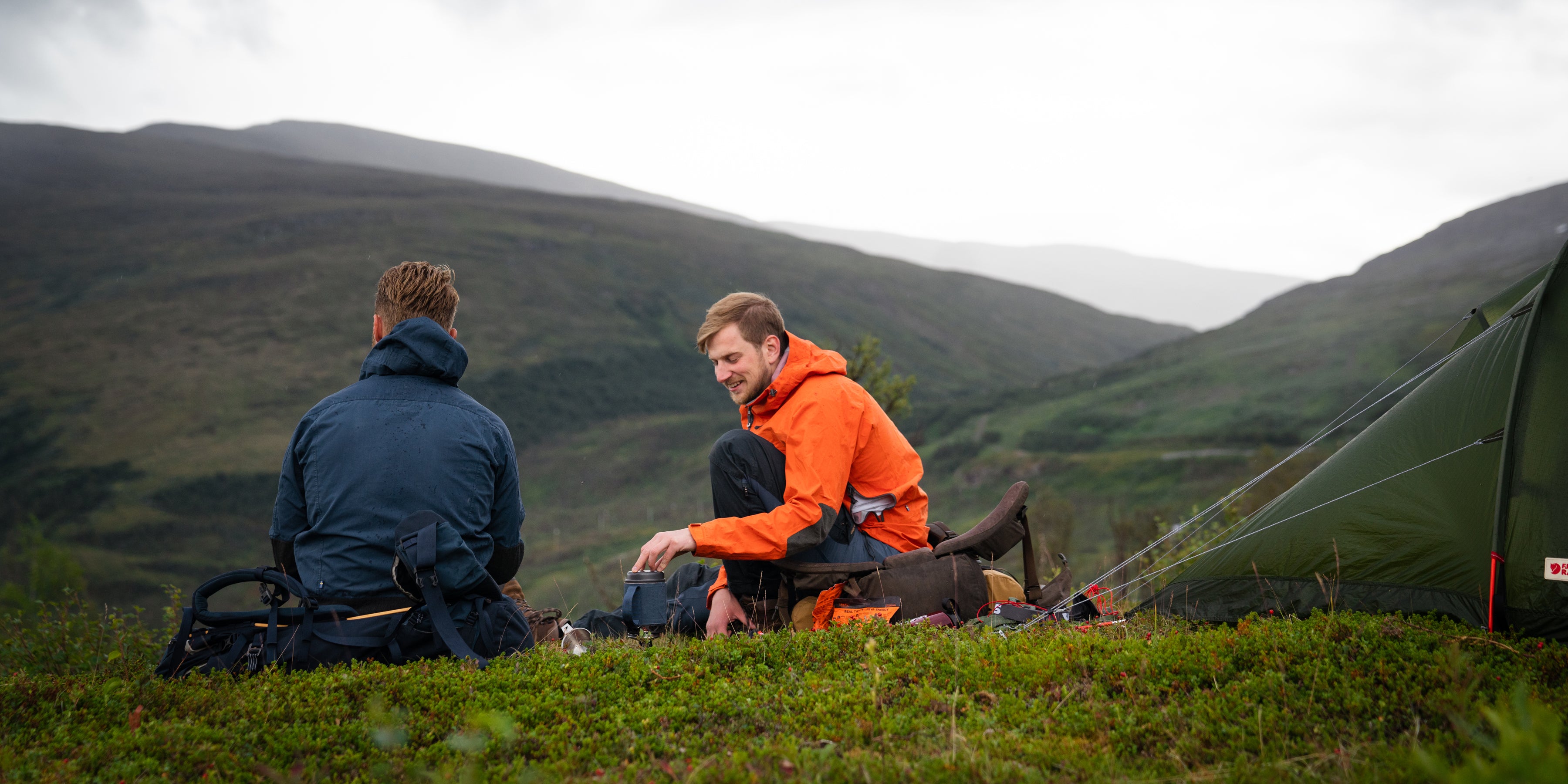
Ist es in Deutschland erlaubt, draußen zu schlafen?
Anders als in einigen nordischen Ländern gibt es Deutschland kein allgemeines Recht bzw. Jedermannsrecht, auf privatem Land zu campen oder draußen zu übernachten. In Deutschland gilt Schlafen im Freien ohne Erlaubnis meist als Hausfriedensbruch – außer auf Flächen, auf denen Camping ausdrücklich erlaubt ist.
Trotzdem ist Outdoor-Schlafen in Deutschland möglich, wenn du die richtigen Orte wählst:
– Campingplätze mit Übernachtungserlaubnis
– Flächen, für die du die Zustimmung des Landbesitzers hast
– Ausgewiesene Camping- oder Biwakplätze
– Auch das Schlafen im Freien ohne Zelt (Biwakieren) wird in abgelegenen Gegenden manchmal geduldet
Wichtig: Informiere dich immer über lokale Regeln, Beschilderungen und Vorgaben der Landbesitzer – besonders in Schutzgebieten.
Ist es illegal, in Deutschland im Auto zu schlafen?
Ist es illegal, in Deuschland im Auto zu schlafen? Kurz gesagt: Nein, das Schlafen im Auto ist in Deutschland nicht grundsätzlich verboten.
Ob du in deinem Auto schlafen darfst, hängt aber davon ab, wo und wie du parkst:
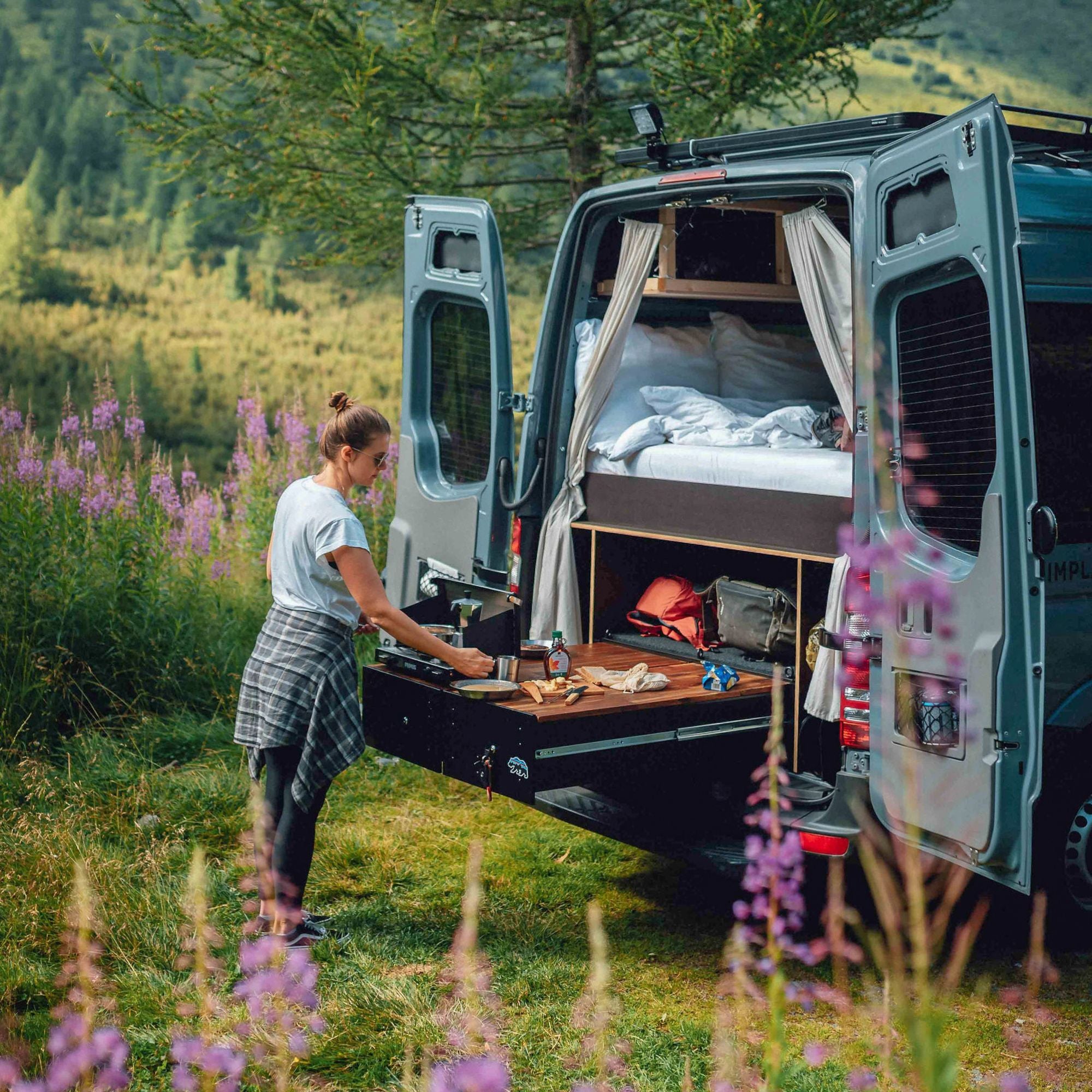
- Du darfst im Auto schlafen, wenn du legal parkst und niemanden behinderst oder störst.
- Zur Wiederherstellung der Fahrtüchtigkeit (z. B. bei Müdigkeit) ist das Übernachten im Auto in der Regel erlaubt.
- Auf Campingplätzen ist das Schlafen im Auto meist erlaubt, entscheidet aber immer der Betreiber.
- Auf Parkplätzen, Rastplätzen, in Wohngebieten oder auf Privatgrundstücken kann das Übernachten verboten sein – entsprechende Beschilderung ist verbindlich.
- Dauerhaftes Campen (z. B. mit Tisch, Stühlen oder Markise) ist ohne Erlaubnis nicht zulässig.
- Es ist nicht erlaubt, im Auto zu schlafen, wenn du alkoholisiert bist und als Fahrzeugführer giltst (Stichwort: „Trunkenheit im Verkehr“).
- Achte immer auf Schilder und lokale Regeln. Im Zweifel: Erlaubnis einholen oder einen Campingplatz nutzen.
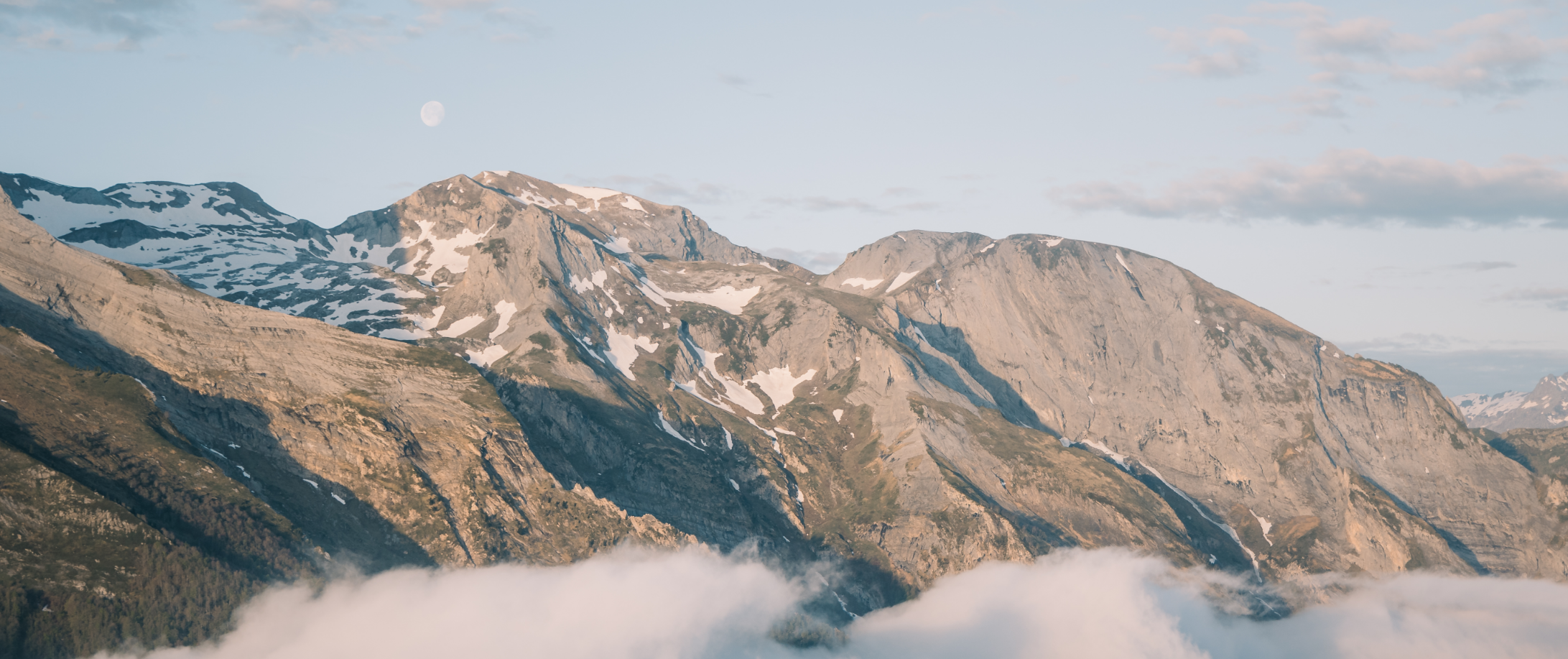
Schlafen im Freien: So wählst du den perfekten Spot
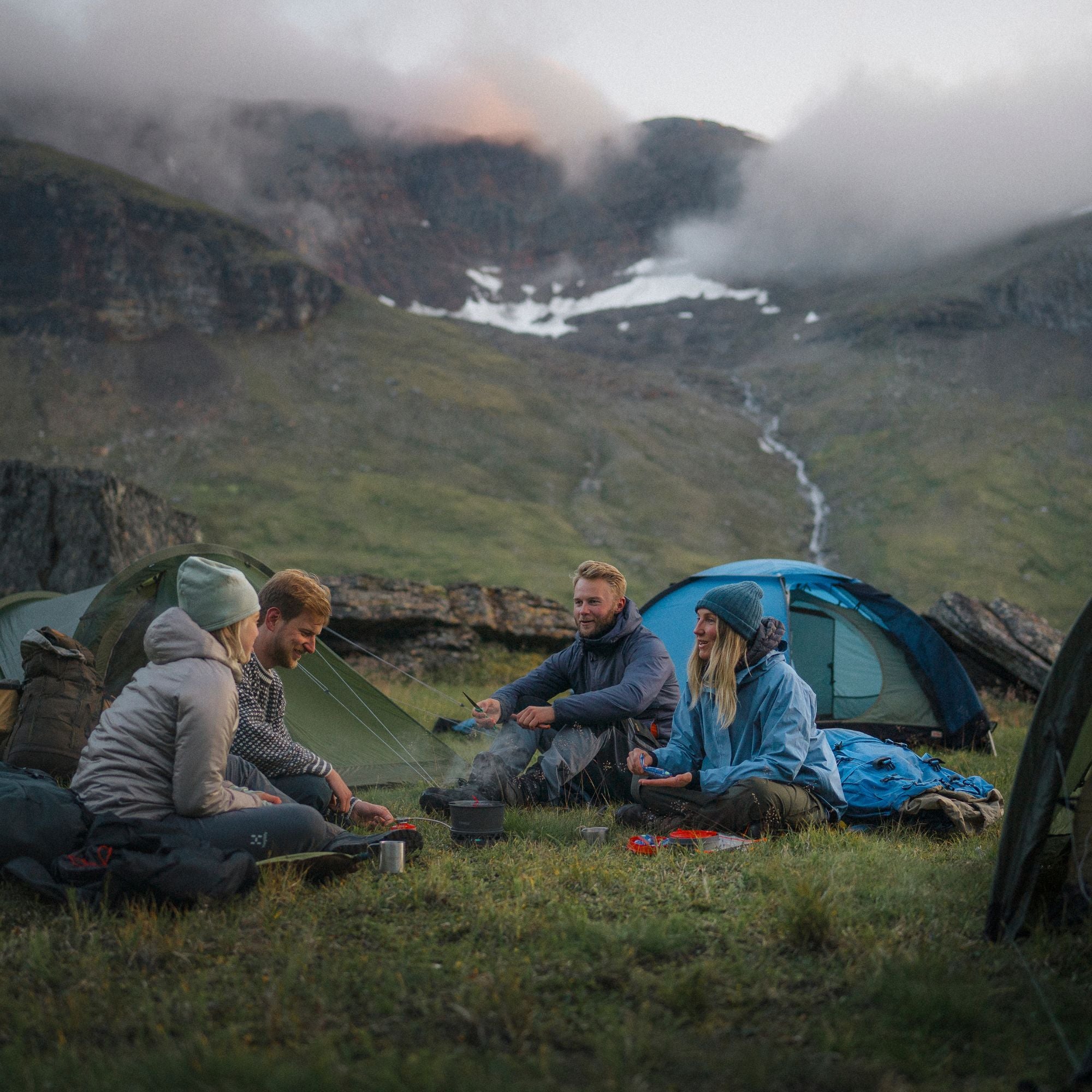
Ob du draußen gut schläfst, hängt maßgeblich vom Ort ab. Achte auf flachen, trockenen Untergrund und halte Abstand zu tieferliegenden Bereichen, in denen sich Kälte und Feuchtigkeit stauen. Windschutz durch natürliche Elemente wie Hecken, Waldränder oder kleine Hügel sorgt für deutlich mehr Komfort.
Diese Punkte helfen dir bei der Auswahl:
- Fester, ebener Boden ohne Steine oder Wurzeln
- Leicht erhöhte Lage gegen Nässe und kalte Luft
- Schutz vor Wind, aber nicht unter toten oder losen Ästen
- Im Sommer schattige Plätze gegen frühe Hitze
- Im Winter geschützte Bereiche, jedoch keine Kältesenken
Prüfe immer die Wettervorhersage und bleib flexibel. Was abends klar und mild wirkt, kann nachts kalt und feucht werden – oder in kräftigem Regen enden.
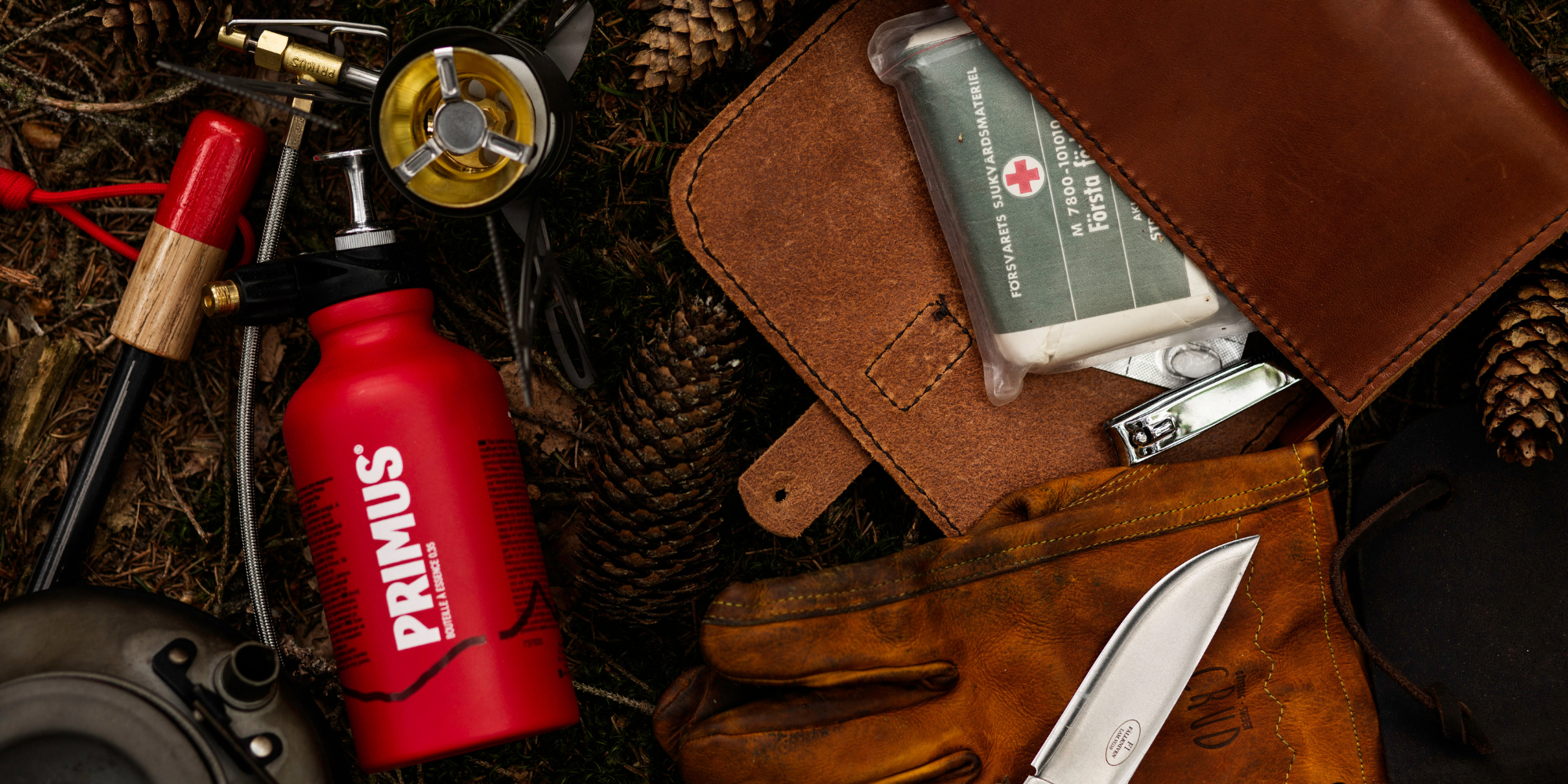
Ausrüstung fürs Schlafen im Freien
Zelt, Tarp oder ganz ohne Zelt schlafen
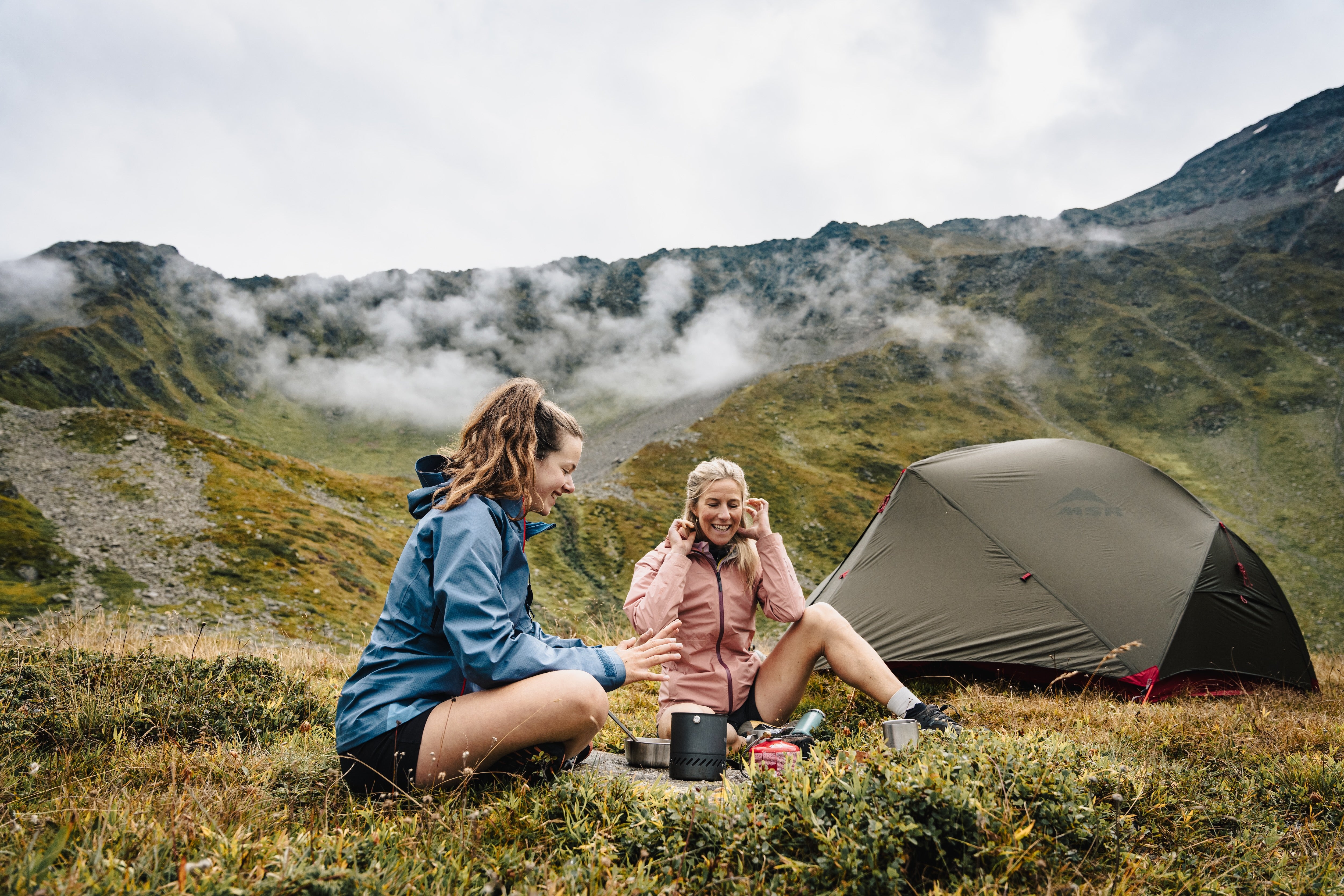
Ein Zelt ist die klassische Wahl und schützt zuverlässig vor Wind, Regen und Insekten. Doch das Übernachten ohne Zelt wird immer beliebter. Ein Tarp bietet leichten Wetterschutz und lässt sich flexibel zwischen Bäumen oder mit Stangen aufspannen.
Ganz ohne Zelt zu schlafen heißt oft, auf einen Biwaksack oder eine Hängematte mit Moskitonetz zu setzen. Das vermittelt ein starkes Freiheitsgefühl und bietet trotzdem Schutz vor Wind und Wetter.
Ausrüstung fürs Outdoor-Schlafen
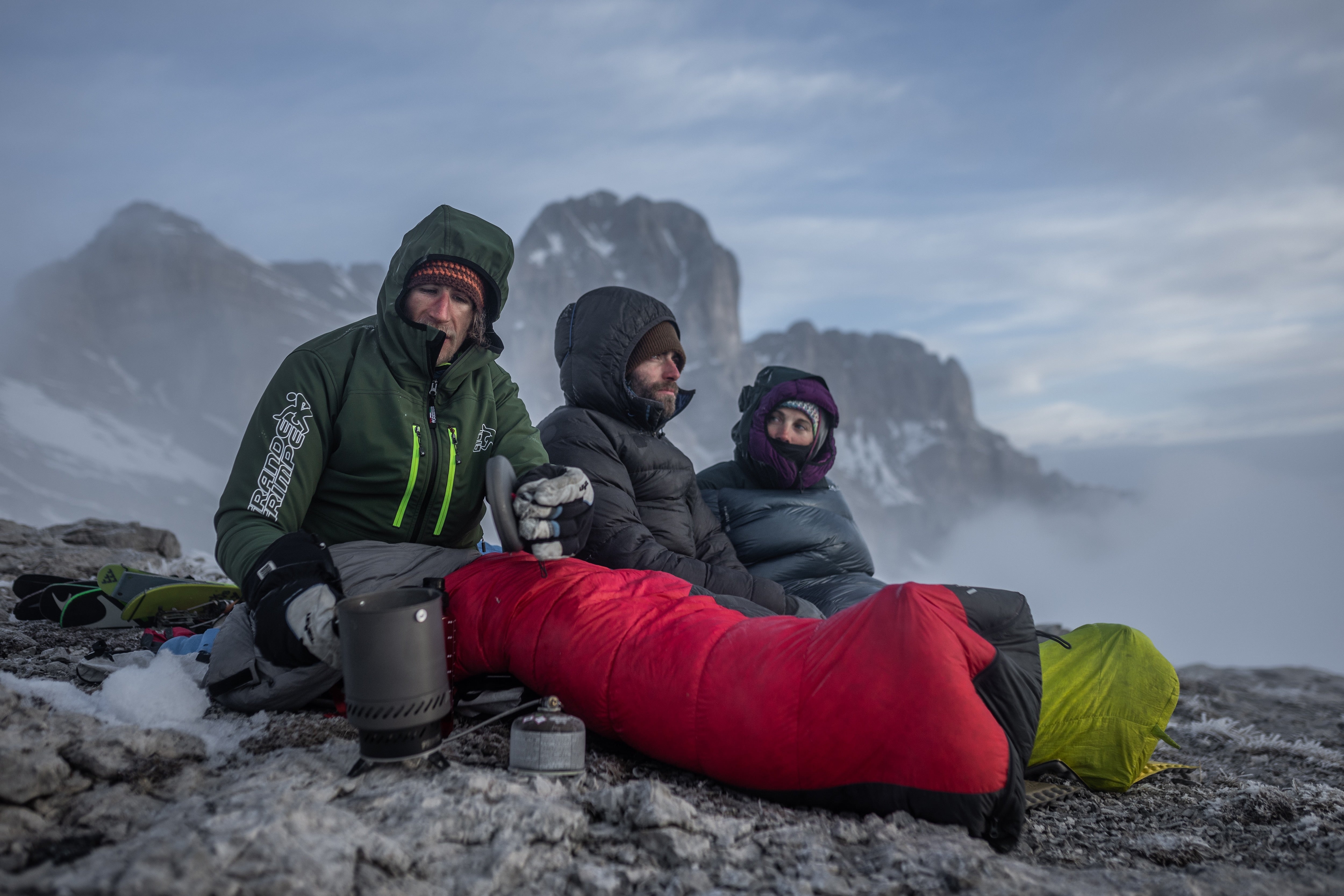
Ein Schlafsack, der zur Jahreszeit passt, ist unverzichtbar. Denk daran: Ein Schlafsack erzeugt keine Wärme – er speichert deine Körperwärme. Geh deshalb immer warm und trocken ins Bett.
Kombiniere deinen Schlafsack mit einer guten Isomatte, um dich vor Bodenkälte zu schützen. Im Winter nutzen viele zwei Matten: eine geschlossenzellige Schaumstoffmatte unten und eine aufblasbare Isomatte darüber für zusätzliche Isolation.
Draußen kochen und Feuer machen
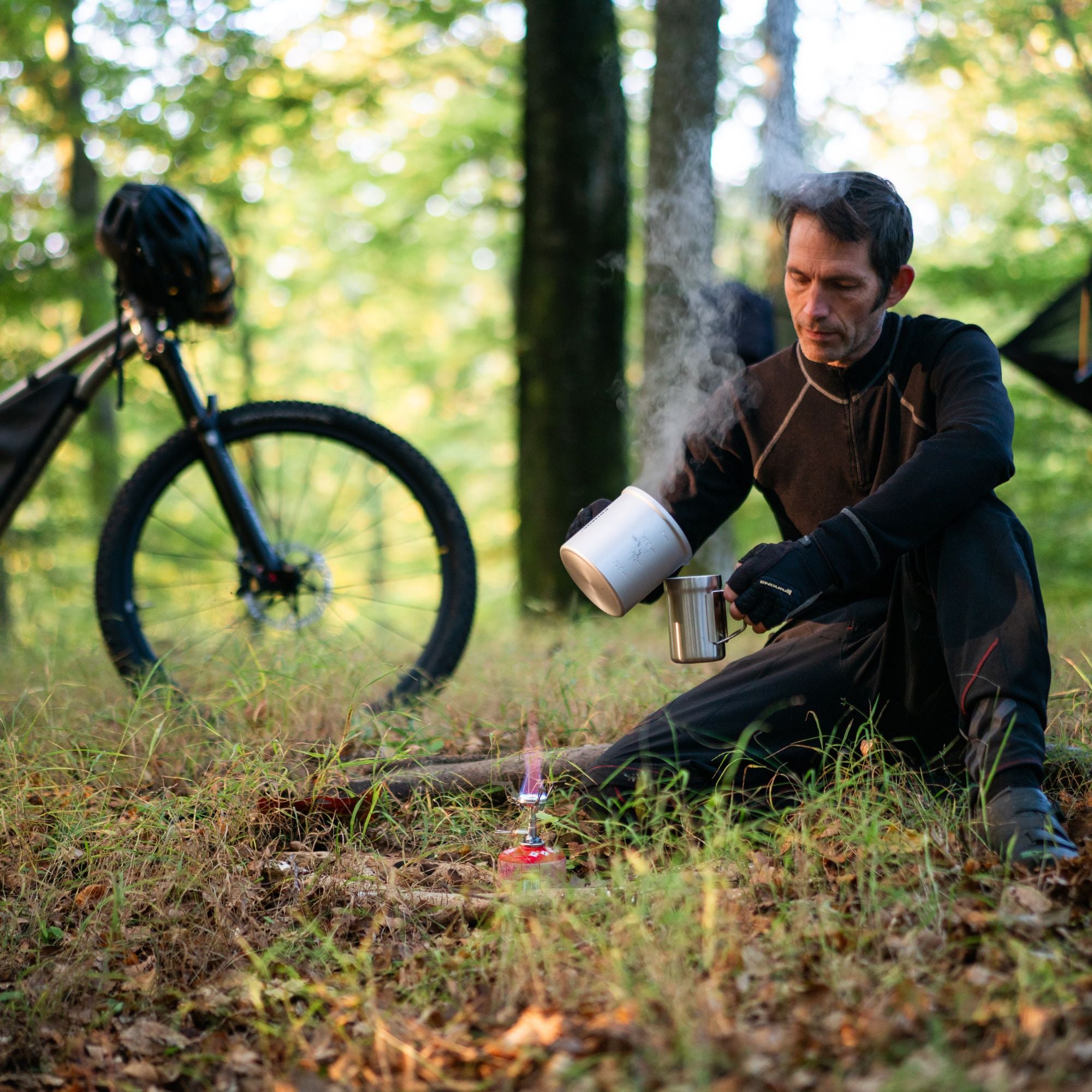
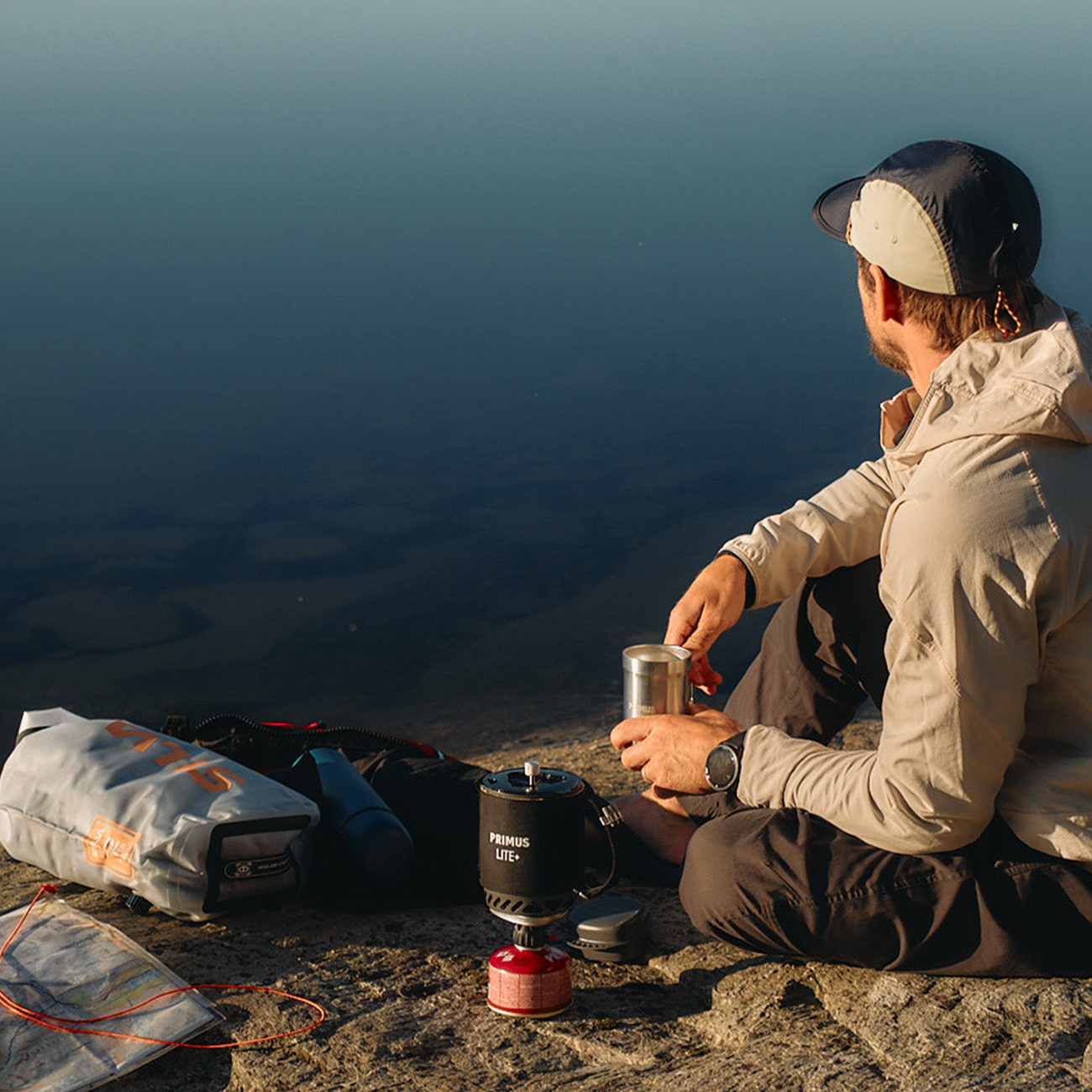
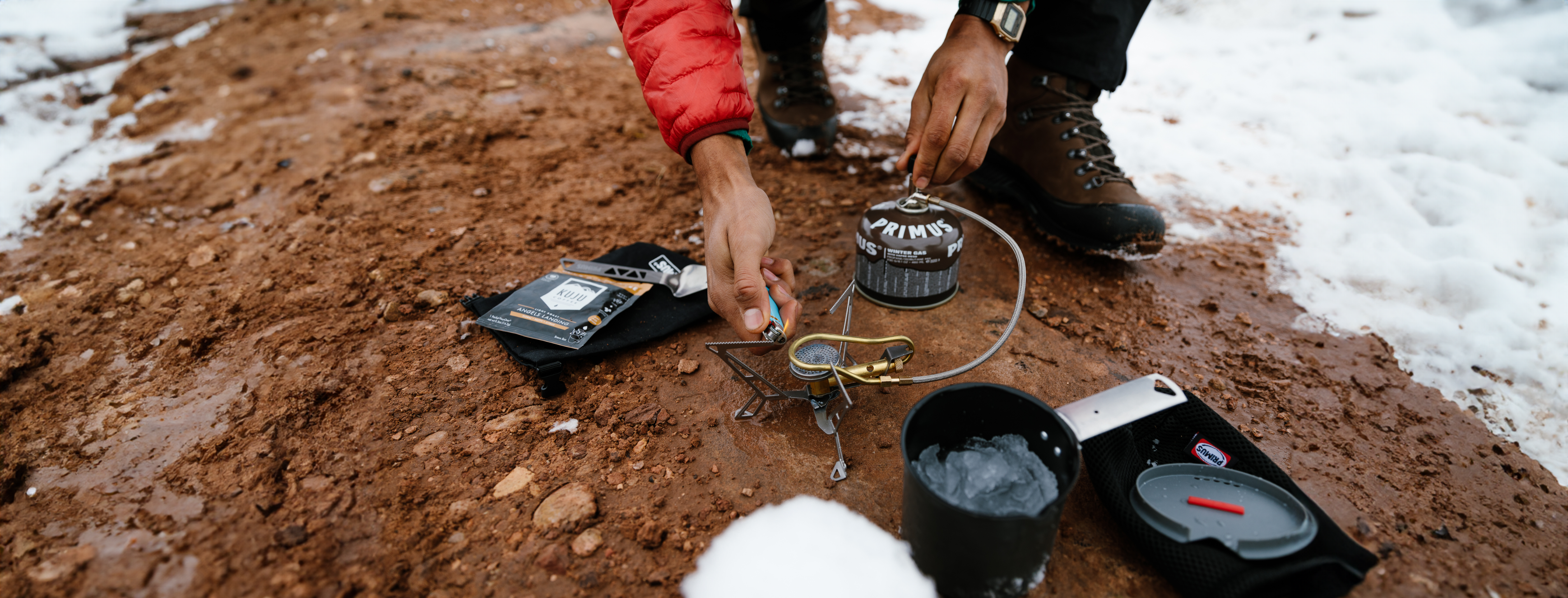
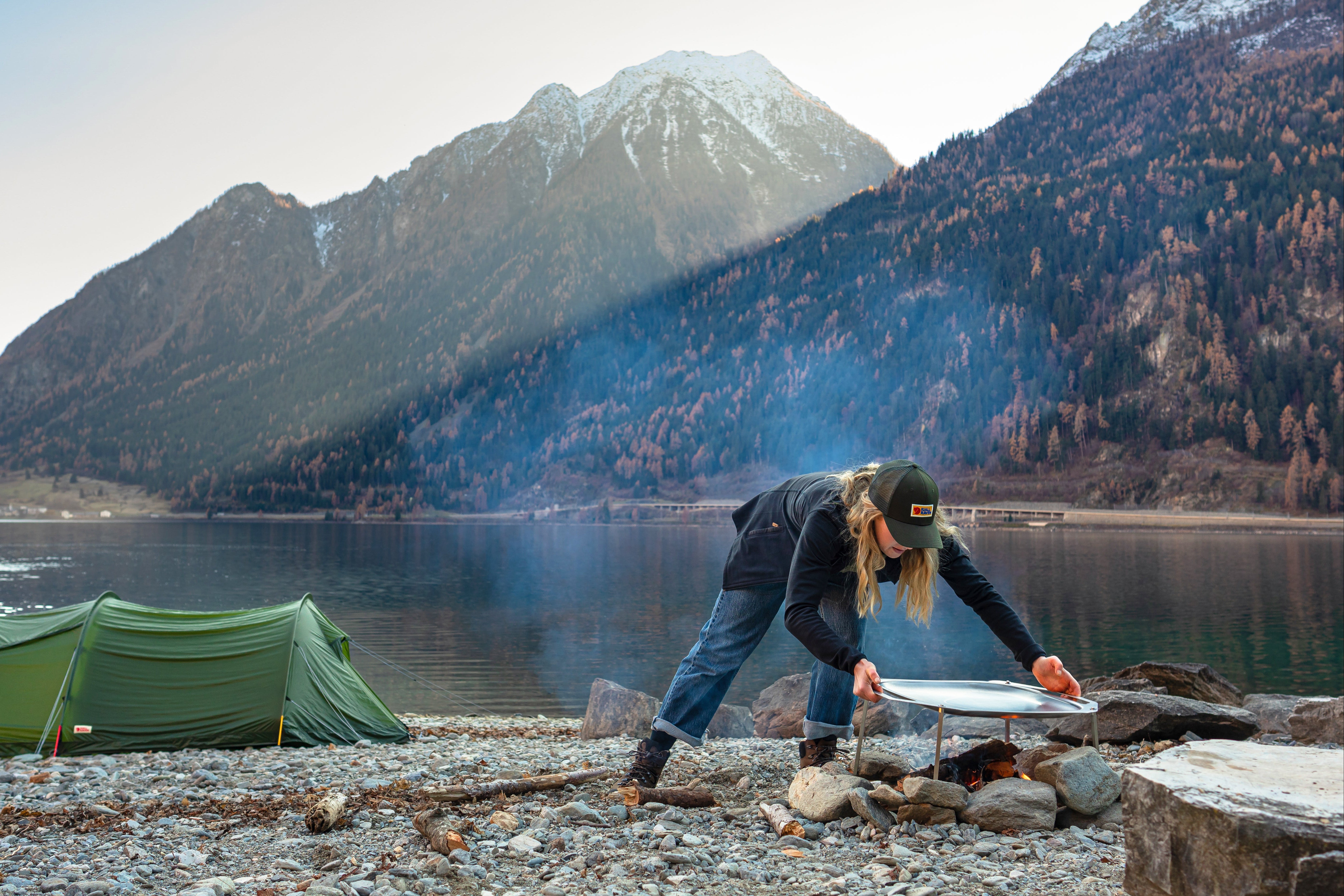
Abends zu kochen ist beim Übernachten im Freien oft das Schönste überhaupt. Das passende Equipment macht dabei den Unterschied:
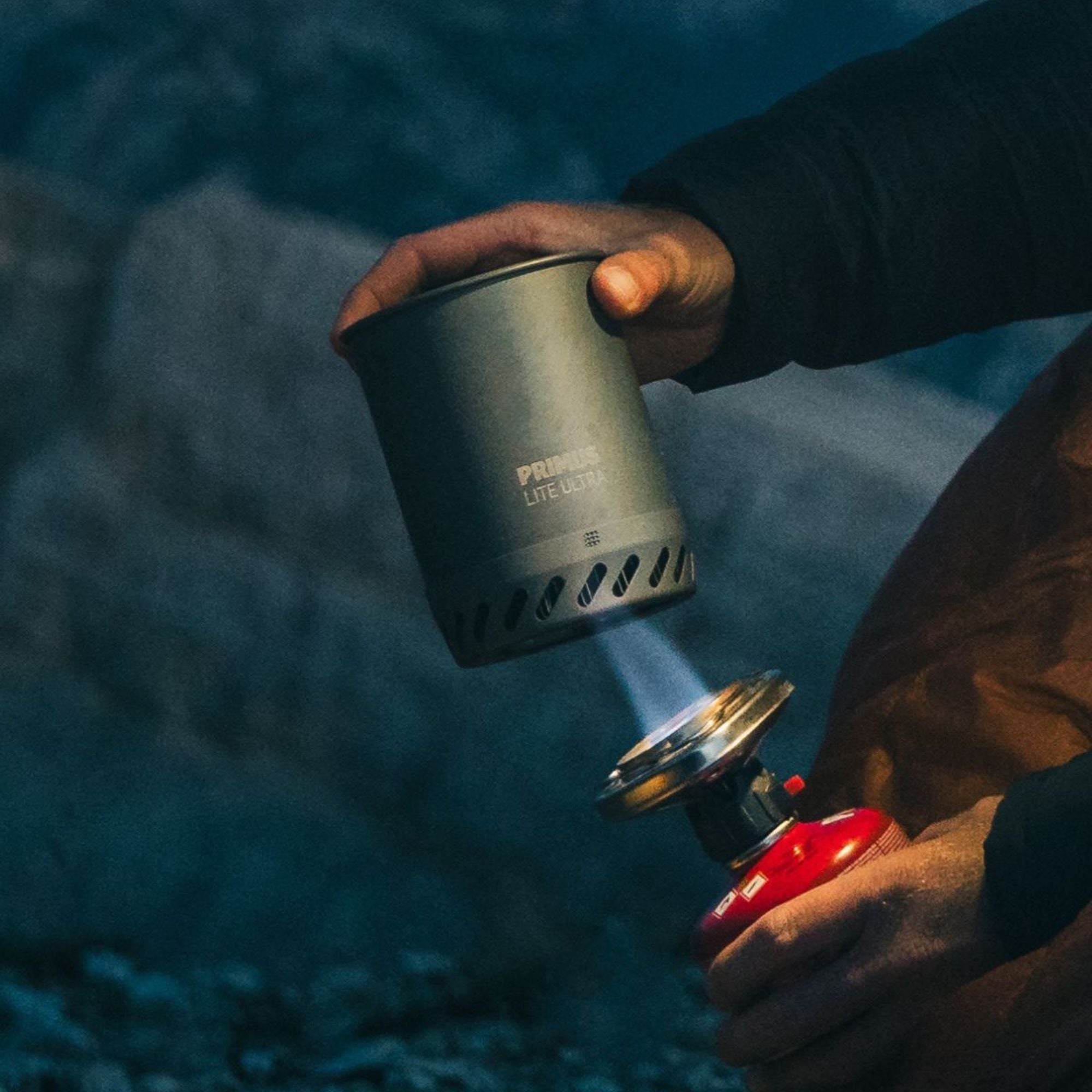
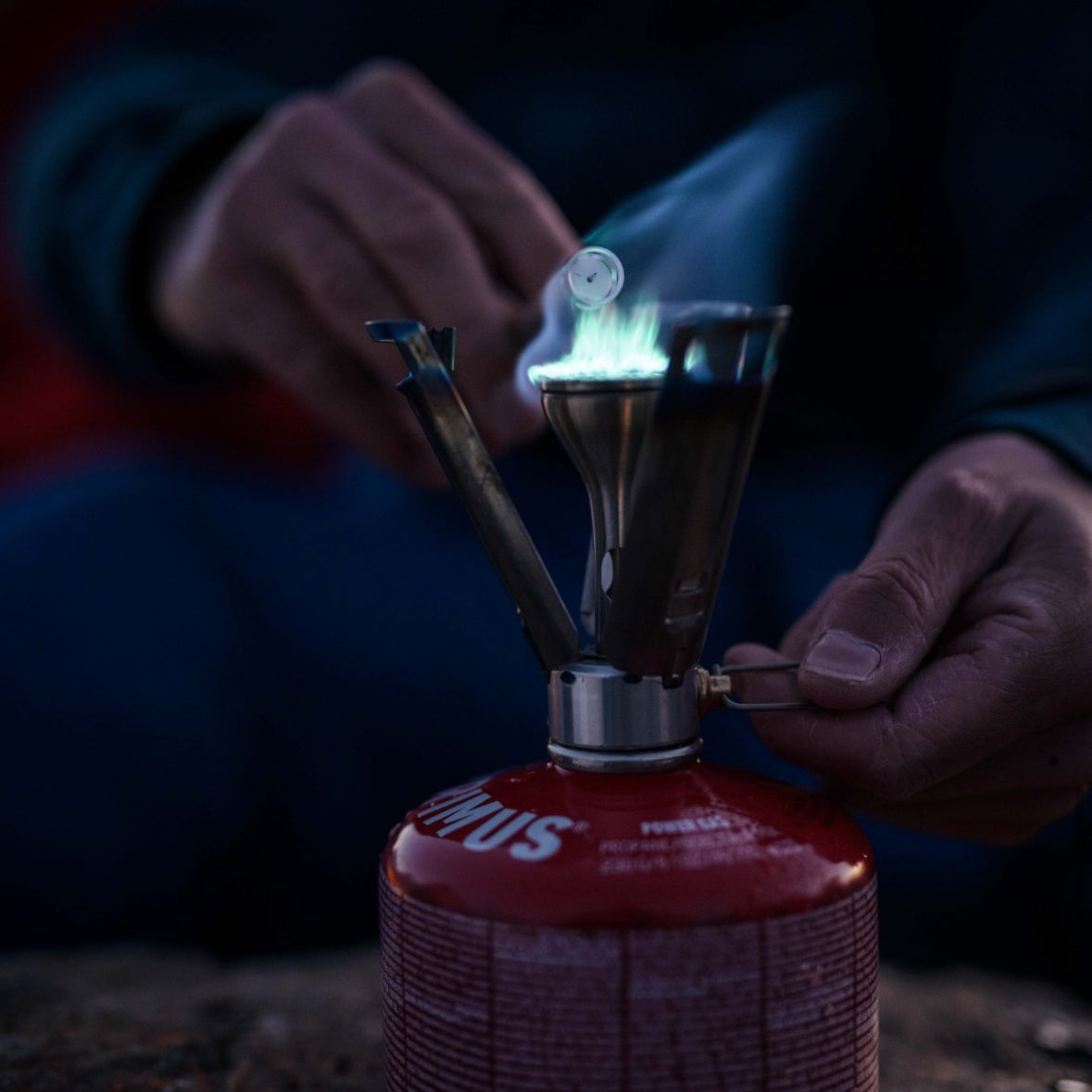
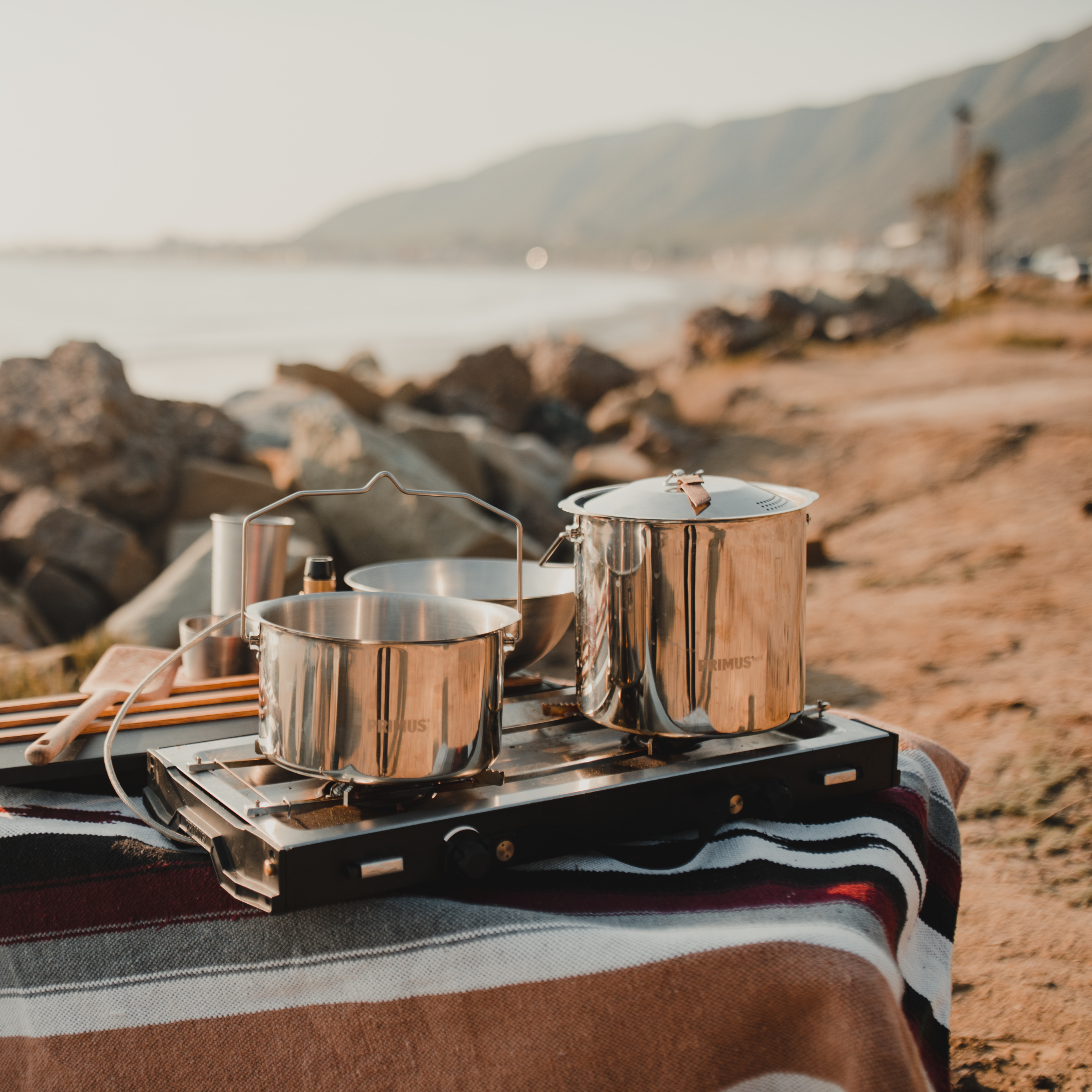
- Campingkocher: Kompakt, zuverlässig und für jedes Wetter geeignet – ideal, wenn offenes Feuer nicht erlaubt ist.
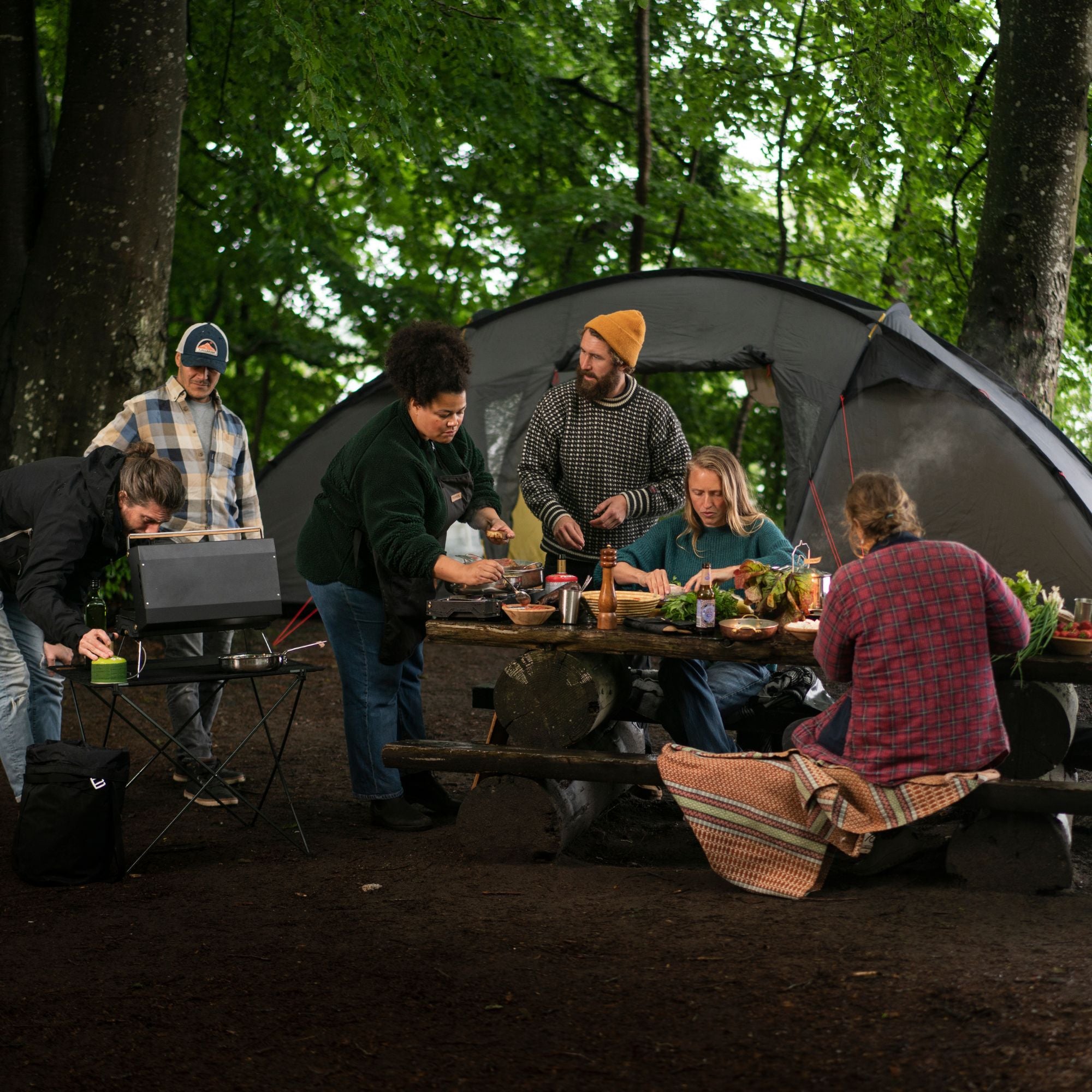
- Offenes Feuer oder Grillen: Mit einer Outdoor-Pfanne wie der OpenFire Pan über der Glut kochen oder mit einem mobilen Gasgrill wie Kuchoma fast wie zu Hause draußen essen.
- Zündhilfen: Ein PowerLighter funktioniert zuverlässig bei Wind und Kälte, während ein Feuerstahl wie der Ignition Steel wirklich bei allen Bedingungen einsatzbereit ist.
Licht, wenn es draußen dunkel wird
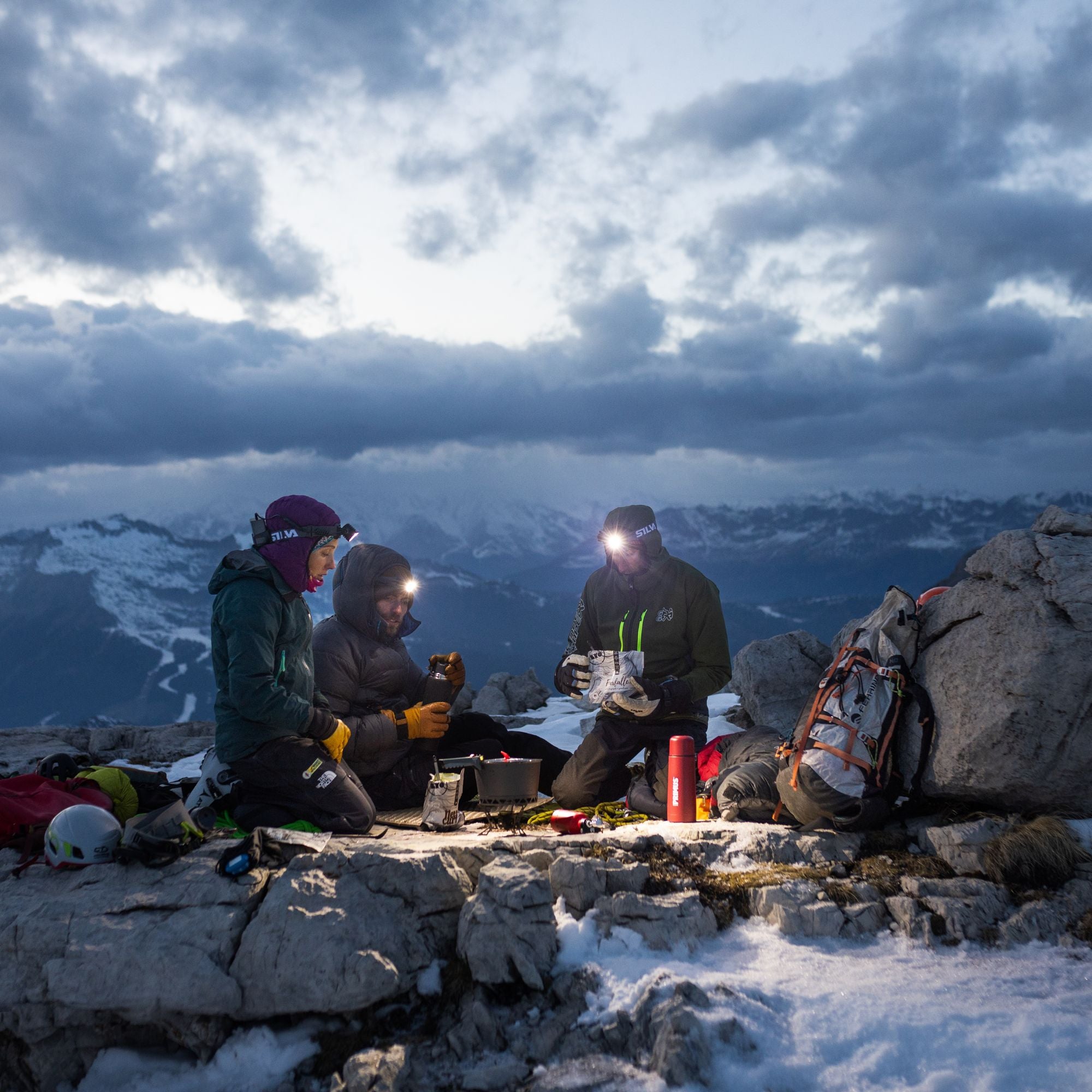
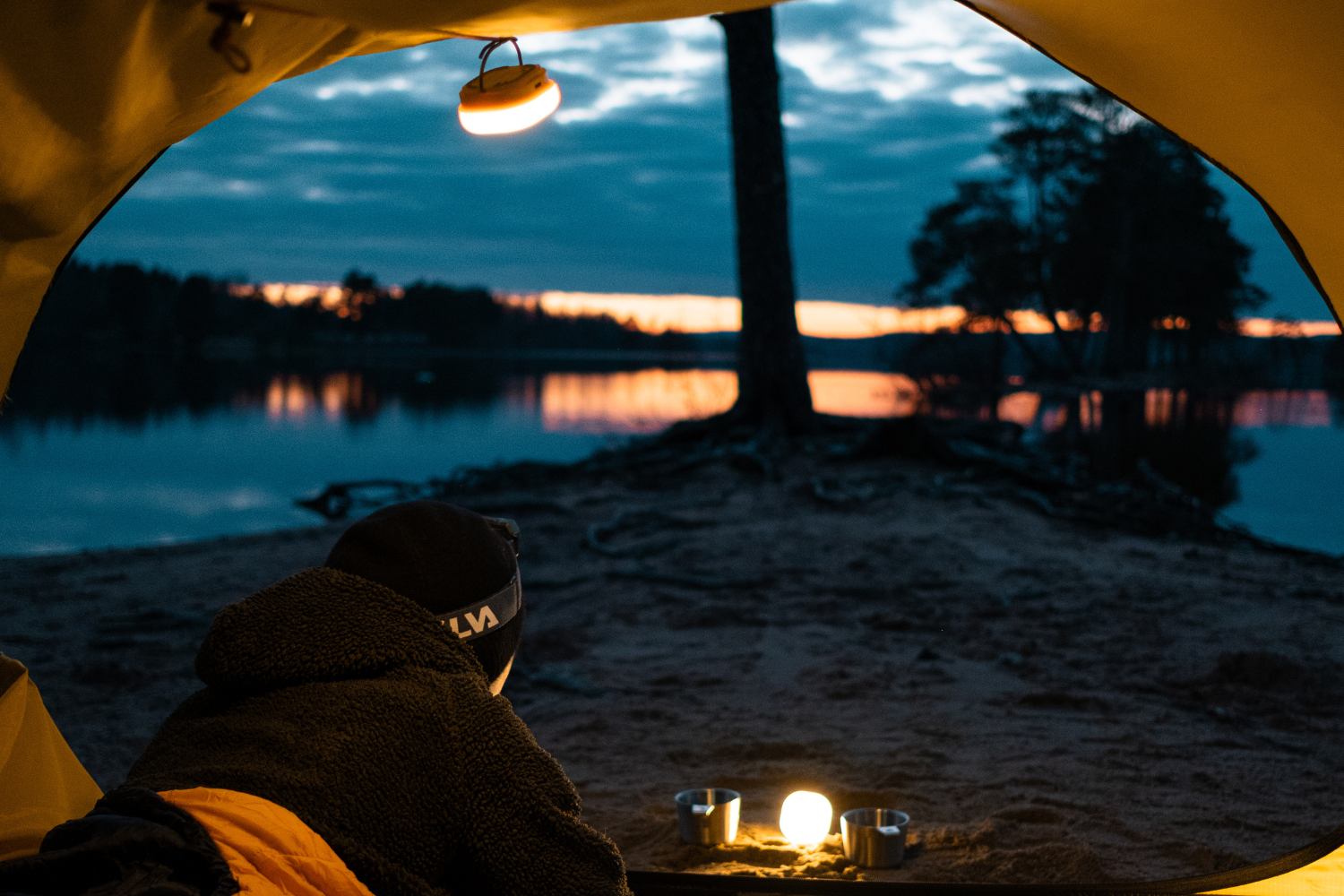
Wenn es dunkel wird, geht es nicht nur darum, etwas zu sehen, sondern sich auch wohlzufühlen. Während eine Stirnlampe praktisch ist, um sich im Camp zu bewegen, sorgt eine Campinglampe für eine ruhigere und deutlich angenehmere Atmosphäre.
Die Silva Glow ist eine kompakte, wiederaufladbare Campinglampe, die auf dem Boden stehen, geneigt oder im Zelt aufgehängt werden kann. Sie bietet zwei Lichtmodi: ein kühles, weißes Arbeitslicht zum Kochen und Organisieren sowie ein warmes Licht zum Entspannen, Lesen oder Zusammensitzen.
Draußen schlafen – das ganze Jahr über
Immer mehr Menschen entscheiden sich dafür, zu jeder Jahreszeit draußen zu schlafen. Entscheidend dafür ist, Kleidung und Ausrüstung an die jeweilige Jahreszeit anzupassen. Das Zwiebelprinzip ist dabei essenziell: feuchtigkeitsableitende Basisschichten, wärmende Midlayer und eine winddichte Außenschicht.
Übrigens: Manche Outdoor-Fans machen das Draußenschlafen einmal im Monat zu einer persönlichen Routine oder kleinen Challenge. Jede Jahreszeit bringt ihr eigenes Erlebnis mit sich – helle Sommernächte, leuchtende Herbstfarben, klare Winterluft und frühe Frühlingsmorgen.
Draußen schlafen im Sommer
Der Sommer ist oft die einfachste Zeit fürs Draußenschlafen. Die Nächte sind milder, und du kannst im Zelt, in der Hängematte oder direkt unter den Sternen schlafen. Ein Moskitonetz ist sehr zu empfehlen, da Insekten den Schlaf schnell stören können.
Wähle einen schattigen Platz, um nicht in der frühen Morgensonne aufzuwachen. Nimm ausreichend Wasser mit – mindestens zwei Liter pro Person – und halte Snacks für lange Abende und frühe Starts griffbereit.
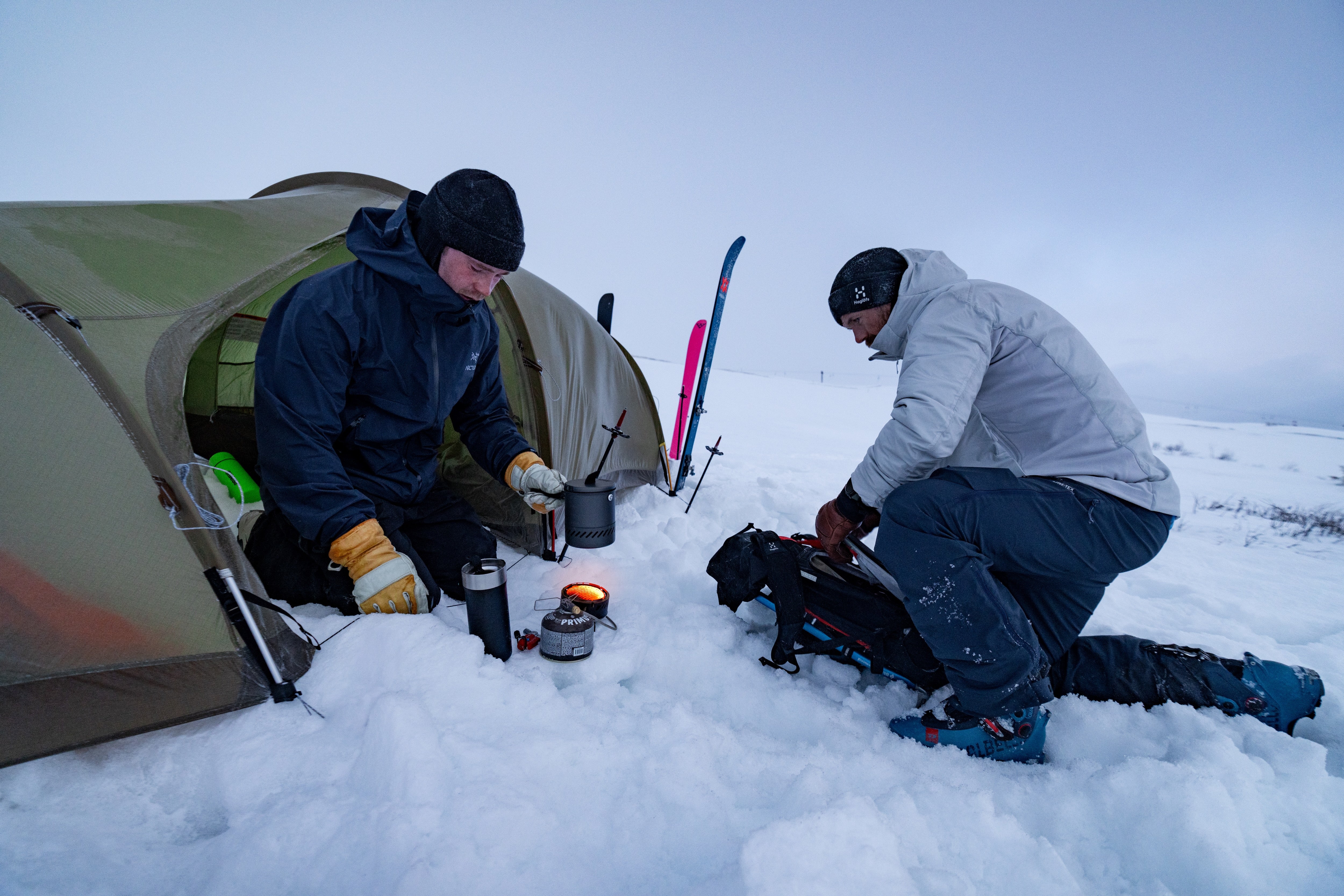
Draußen schlafen im Winter
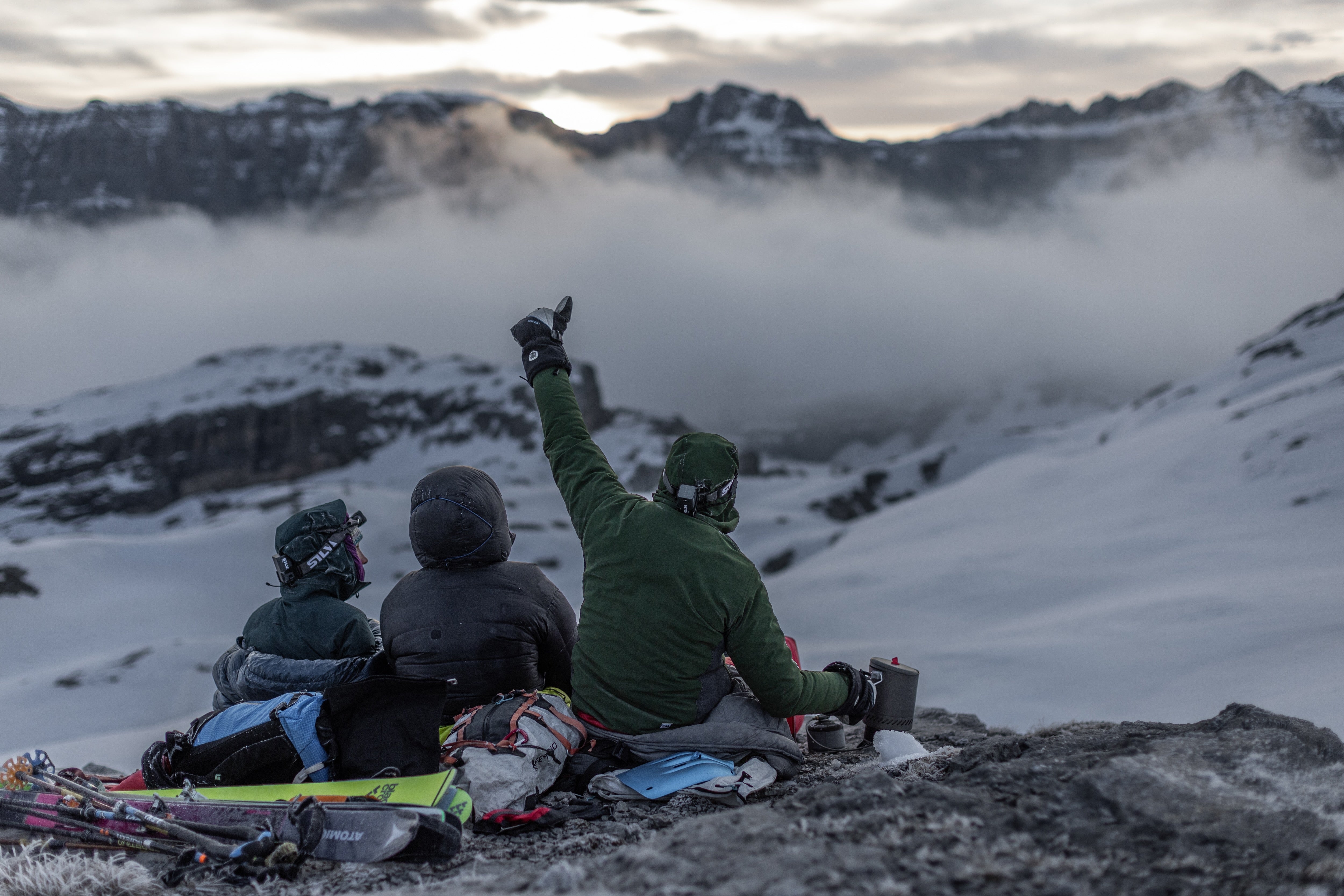
Im Winter draußen zu schlafen erfordert mehr Vorbereitung, belohnt aber mit einer besonderen Ruhe und Klarheit. Zieh vor dem Schlafengehen immer trockene Basisschichten an, trage Mütze und warme Socken und lege dir bei Bedarf eine Wärmflasche in den Schlafsack.
Iss vor dem Zubettgehen eine warme Mahlzeit und trink etwas Heißes – Energie und Flüssigkeit sind entscheidend, um die Körperwärme über Nacht zu halten.
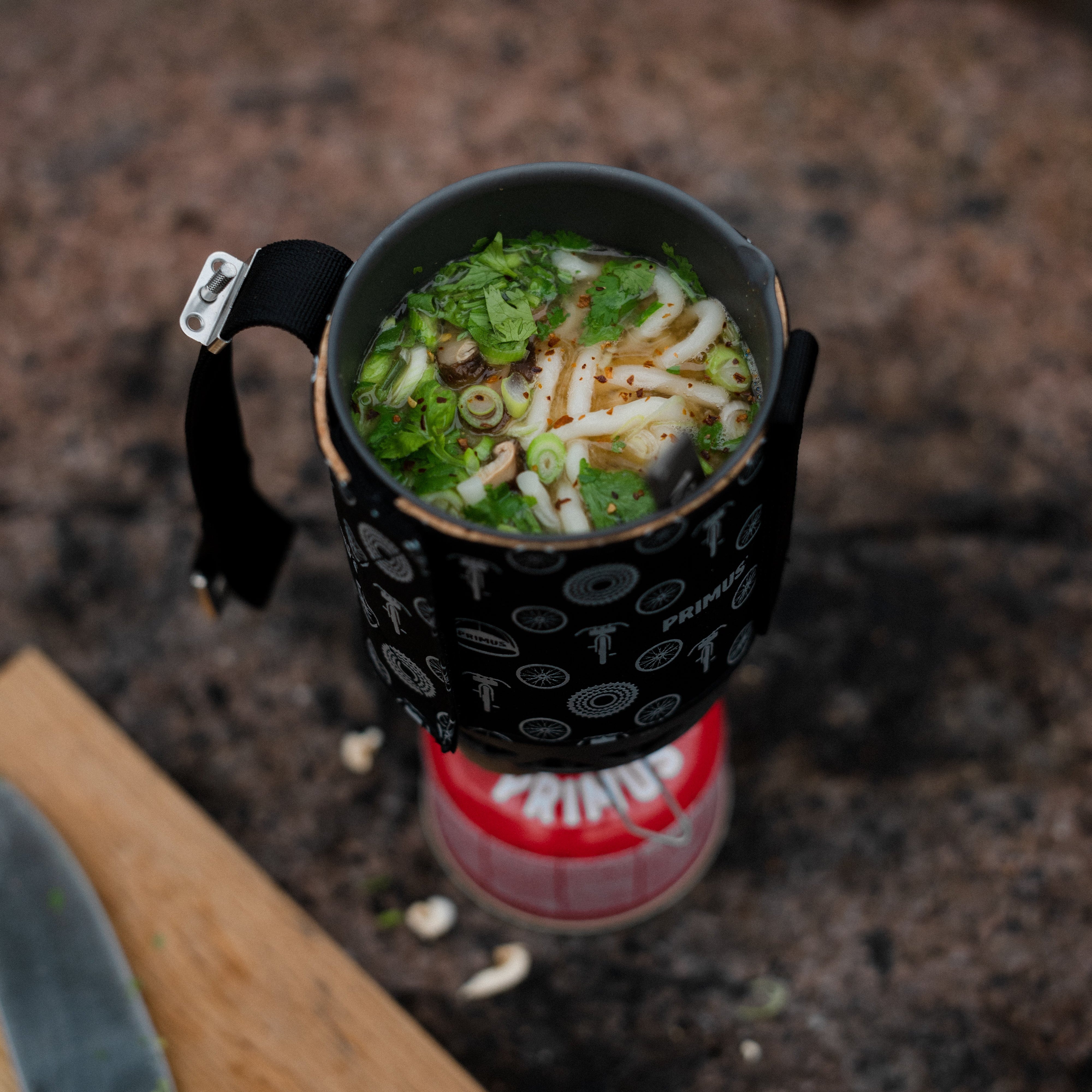
Das Highlight am Abend
Essen und Trinken
Eine warme Mahlzeit macht beim Draußenschlafen oft den entscheidenden Unterschied. Einfache Gerichte wie Suppe, Pasta oder Porridge liefern Energie und Wärme vor dem Schlafengehen.
Unser Tipp: Eine Thermosflasche mit heißem Tee, Kaffee oder Kakao ist fast unverzichtbar. Halte außerdem einen kleinen Snack für später bereit, um dein Energielevel stabil zu halten – besonders in kalten Nächten.
Praktische Tipps für erholsamen Schlaf draußen
- Wechsle vor dem Schlafen immer in trockene Kleidung
- Bewahre deine Stirnlampe an einem festen Ort auf
- Improvisiere ein Kissen aus Ersatzkleidung im Drybag
- Iss abends einen kleinen Snack zur Unterstützung der Wärmeregulierung
- Lege dir ein zusätzliches Paar Socken in Reichweite

Sicherheit und Respekt für die Natur
Draußen zu schlafen bringt Verantwortung mit sich. Halte dich daher an lokale Feuerregeln, respektiere Landbesitzer und hinterlasse keinen Müll. Wichtig: Nimm allen Abfall wieder mit, bewahre Lebensmittel sicher auf und verlasse deinen Schlafplatz so, wie du ihn vorgefunden hast – oder sogar sauberer.
Fest steht: Draußen zu schlafen muss nicht kompliziert sein. Starte mit einer einzelnen Nacht im eigenen Garten, auf einem Campingplatz oder in der Nähe von zu Hause. Sammle Schritt für Schritt Erfahrung und lass das Abenteuer mit deinem Selbstvertrauen wachsen. Denn eines ist sicher: Kaum etwas sorgt für so tiefen und erholsamen Schlaf wie eine Nacht unter freiem Himmel.
Sind Sie an der richtigen Stelle
Bitte wählen Sie Ihren Shop aus