Stoves and meal gear for mountaineering

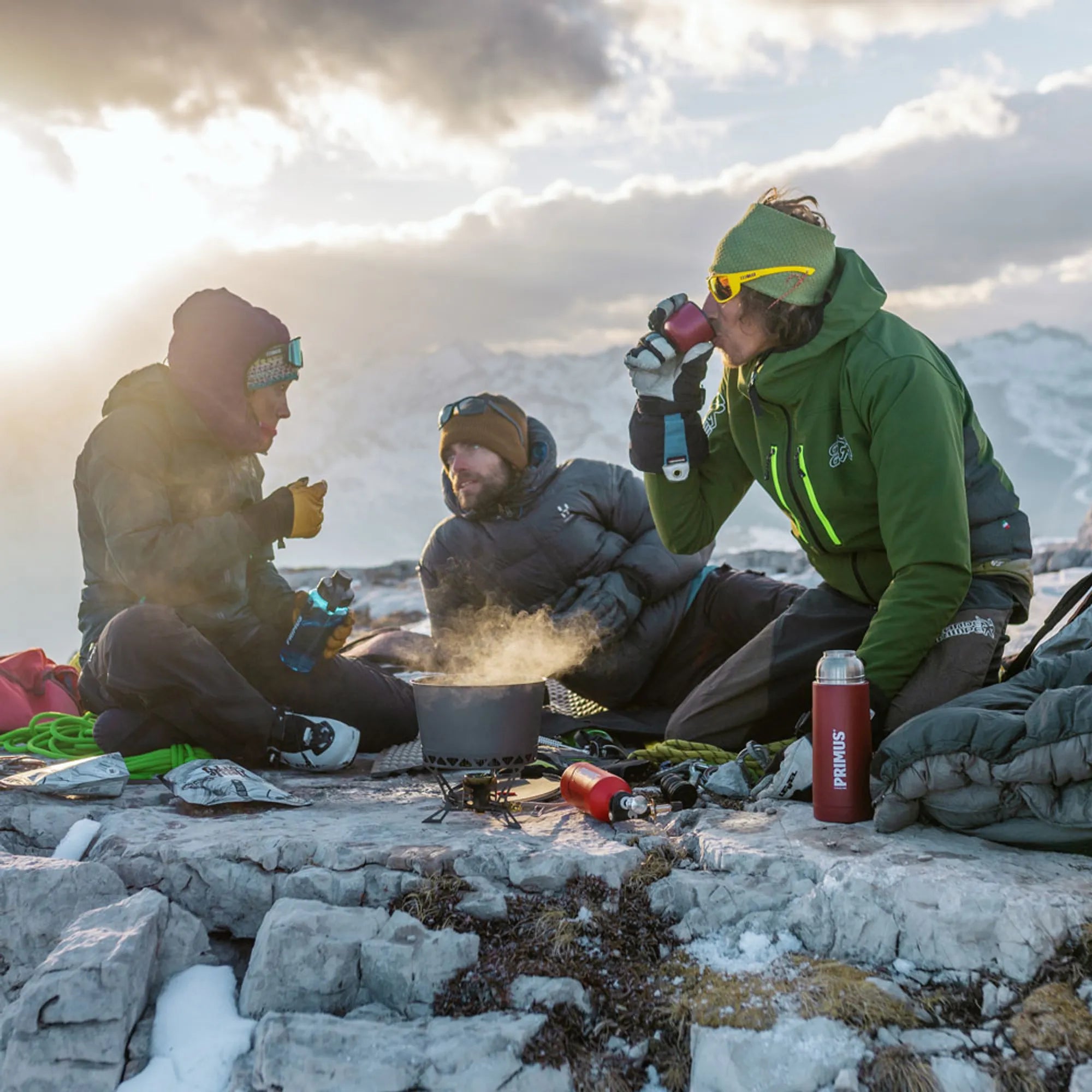
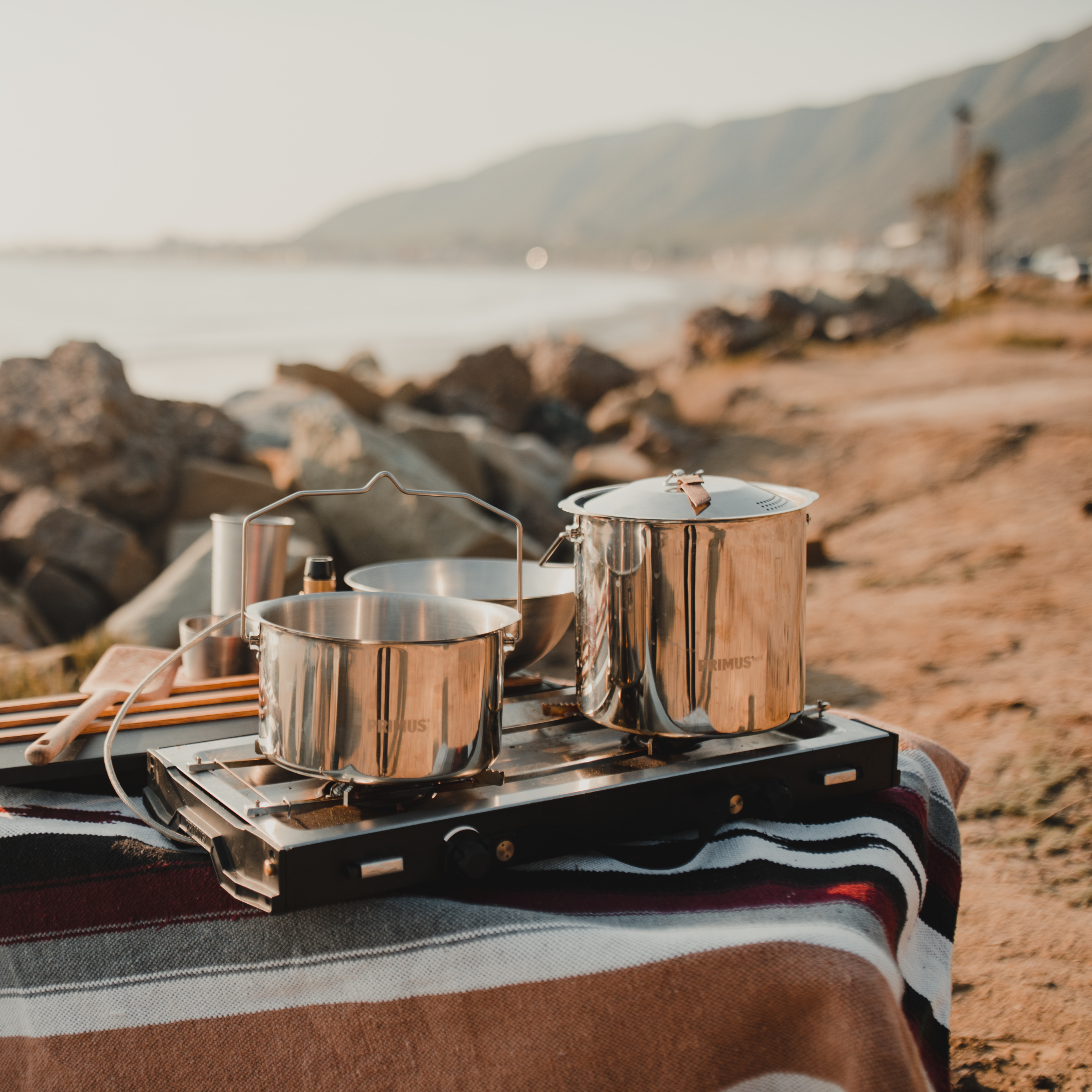
Mountaineering can involve long approaches, early starts, changing weather and several stages between camp and summit. Alongside the technical climbing and safety equipment required for the route, Primus stoves, bottles, vacuum flasks, food flasks and cookware help you plan water, warm meals and organised breaks throughout the trip.

Filters

Sort by:

14 products

_FoldingSpork_Concept_Order740640_FoldingSpork_Black_1
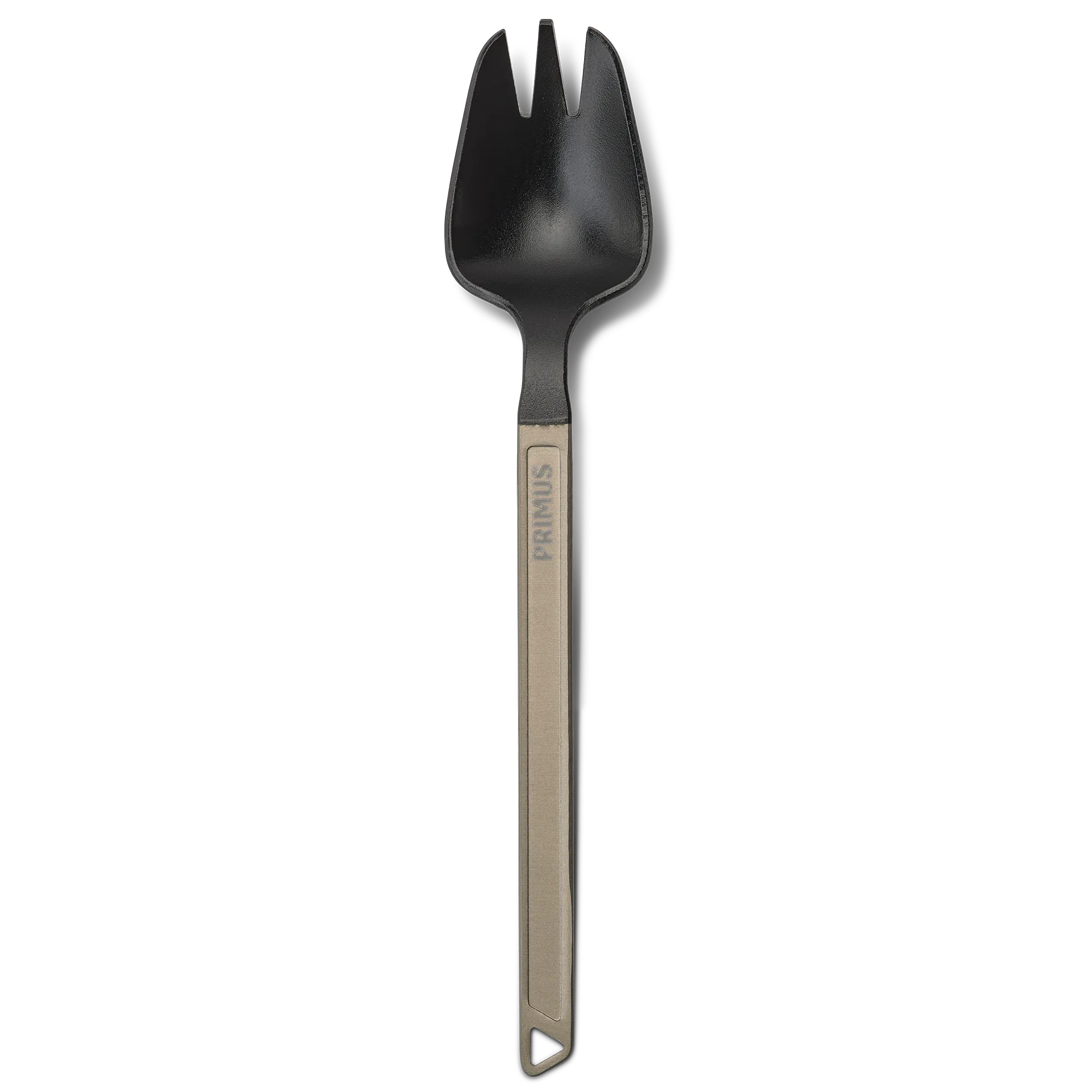
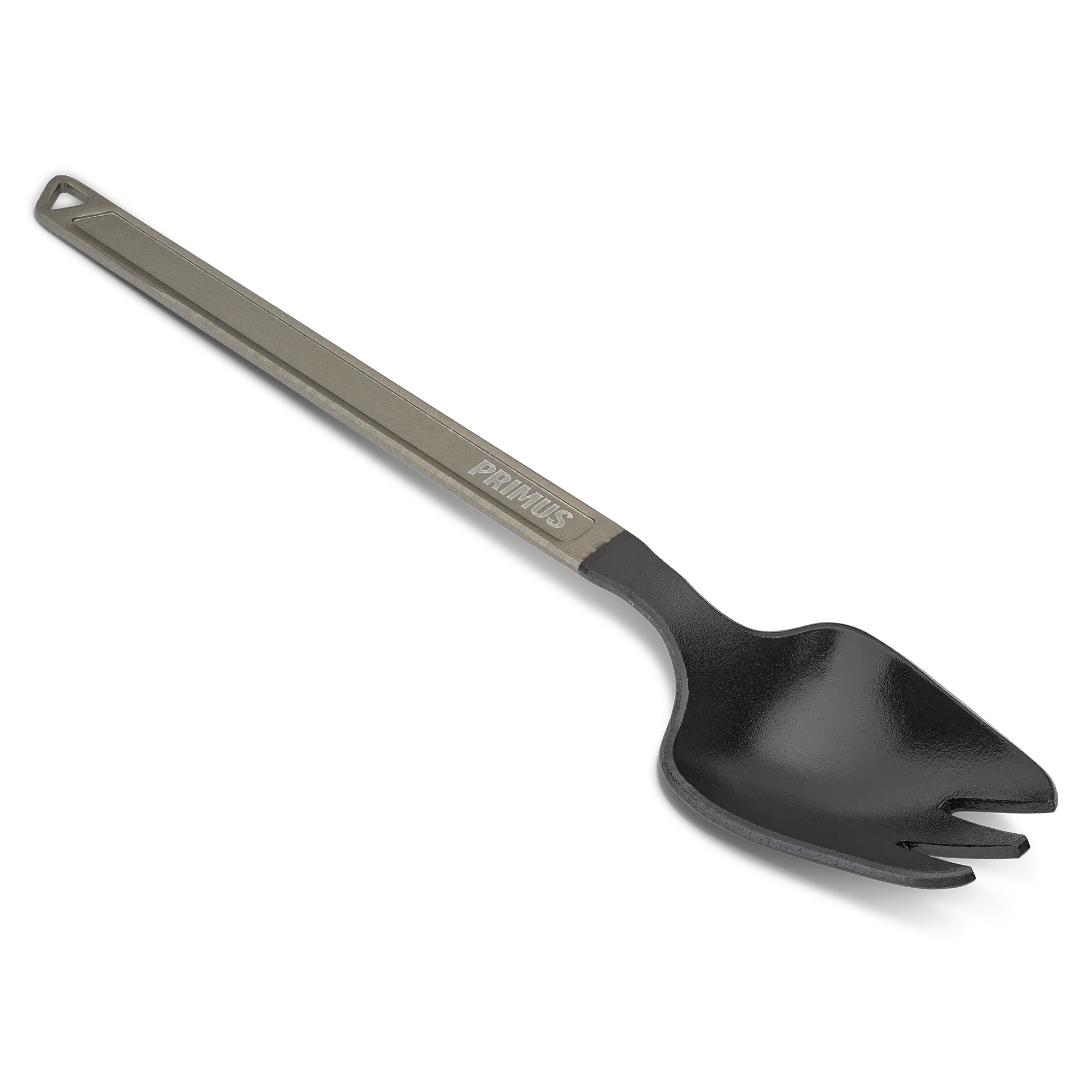
Folding Spork

Foldable · spoon & fork in one · PC plastic · 10 g

Sale price49 kr
732250_4SeasonMug_0point2L_1P732250_4-season-mug_grettstudio_4
4-Season Mug 0.2L

0.2 L insulated mug in stainless steel · 110 g

Sale price129 kr
740820_CampfireServingKit_1b740820_CampfireServingKit_1
CampFire Serving Kit Stainless Steel

Kit: 4 plates & bowl in stainless steel · silicone lid

Sale price849 kr
new
P743480_S_Longspoon Alu_2P743480_S_Longspoon Alu
Long Handle Spoon Aluminium

Spoon with long handle · hard-anodised aluminium · 18 g

Sale price149 kr
Backpacking
321484_ExpressStove_1P321484_express-stove_lisa-bjornstrom_2023-50
Express Backpacking Stove

Compact · top-mounted · narrow flame · 1–6 ppl · 88 g

Sale price599 kr
741510_Kasa_1P741510_kasa_andersvest_1
Kåsa Mug Stainless steel

0.2 L insulated backpacker's cup · stainless steel · 120 g

Sale price199 kr
740380_PrimetechPotSet_1point3_1740380_PrimeTechPotSet_1point3_3
PrimeTech Pot Set 1.3L

1.3 L pot set · heat exchanger · ceramic non-stick

Sale price1 099 kr
Backpacking
new
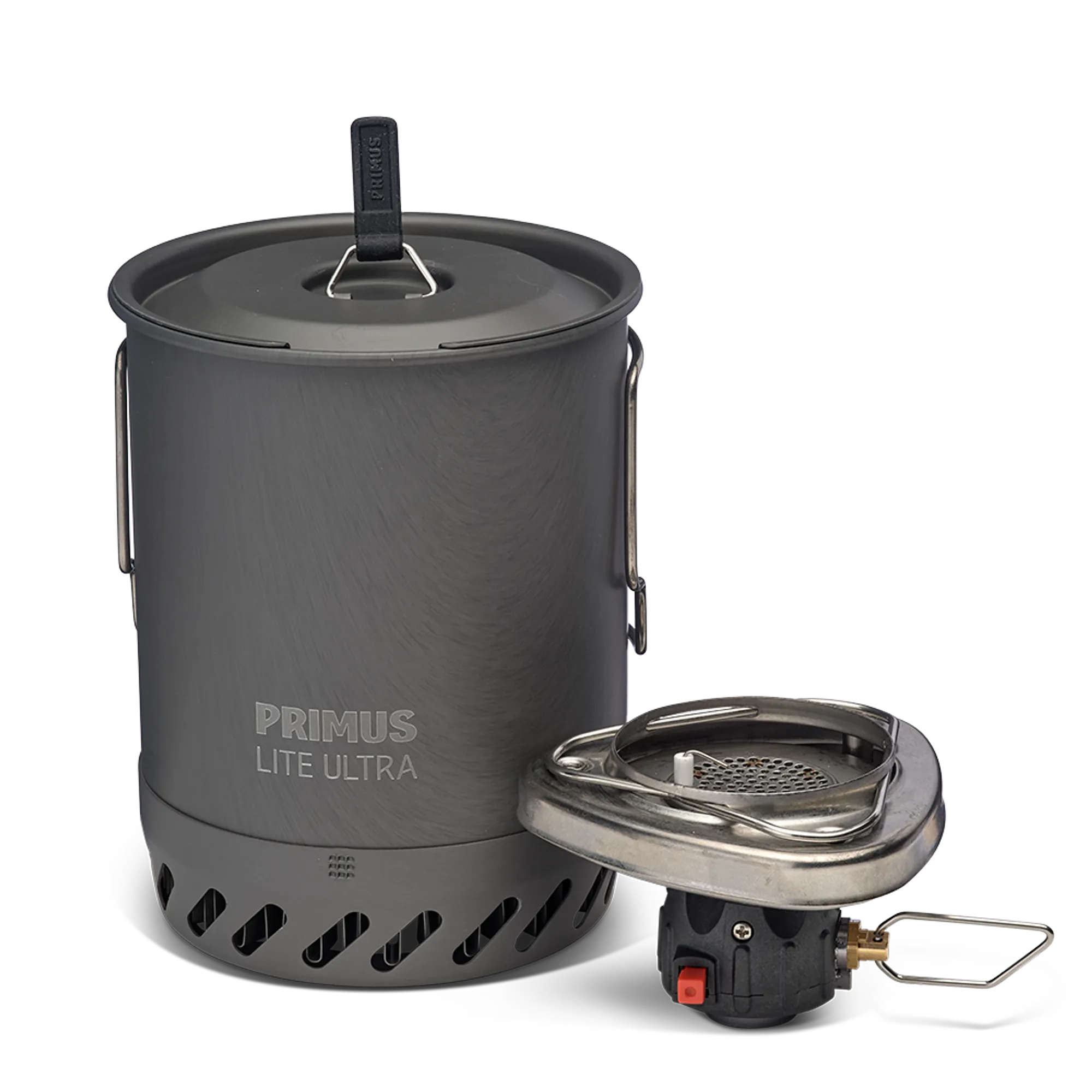
P356044_LiteUltra_08L_3Lite-Ultra-Stove-Set
Lite Ultra Stove System 0.8L

Ultralight top-mounted · pot · Piezo · 1–2 ppl · 240 g

Sale price1 899 kr
321485_ExpressStovePiezo_1P321485_Express-Stove_Lisa-Lowenborg_2022-7
Express Backpacking stove with Piezo

Durable and compact

Sale price649 kr
new
P744340_KvartsTritan_1L_ASHP744340_KvartsTritan_1L_no_cap_ASH
Kvarts Water Bottle 1.0 L

1.0 L water bottle · Tritan · lightweight · standard cap

Sale price229 kr
new
P744370_KvartsTritan_06L_drinkcap_FROSTP744370_KvartsTritan_06L_no_cap_FROST
Kvarts Water Bottle 0.6 L - Drink Cap

0.6 L water bottle · Tritan · lightweight · drink cap

Sale price229 kr
new
P745070_Flinta_insulated_lunch_jug_055L_RED_with_lid
Flinta Insulated Lunch Jug 0.55 L

Food jug + cup · vacuum insulated · 10h hot / 28h cold

Sale price499 kr
new
P745050_Flinta_insulated_lunch_jug_04L_BLACK_wit_lid
Flinta Insulated Lunch Jug 0.4 L

Food jug · vacuum insulated · 8h hot / 17h cold

Sale price449 kr
new
P745060_Flinta_insulated_lunch_jug_055L_SS_with_lidP745060_flinta_lunchjug_055L_SS_tonispasenoski1
Flinta Insulated Lunch Jug 0.55 L

Food jug + cup · vacuum insulated · 10h hot / 28h cold

Sale price499 kr

Plan from the approach to the descent

The time shown for a via ferrata route rarely tells the whole story. You may also need to walk to the start, wait at busy sections and complete a longer descent before returning to the car, campsite or accommodation. Food and water should therefore cover the complete day rather than only the protected climbing section.

Check the route description, weather and available refill points before choosing what to carry. A short route close to facilities requires a different setup from a full mountain day with a long approach and exposed sections.

Keep water accessible while moving

Water is most useful when it can be reached without unpacking the entire bag. Choose one or more Primus water bottles that fit the length of the approach, climb and return, and place them where they remain easy to access at suitable stopping points.

Carry enough for the expected conditions and avoid relying on an unverified water source along the route. Warm weather, direct sun and a physically demanding ascent can increase the amount needed during the day.

Build short breaks around ready-to-eat food

Many via ferrata routes have limited space for longer stops. Food that is already prepared and easy to handle makes it possible to use suitable rest points without creating unnecessary loose items around the climbing equipment.

A Primus food flask is useful when you want to bring a prepared meal for the approach, summit area or return journey. It keeps the meal together and removes the need to assemble a cooking setup during the active part of the route.

Prepare warm drinks for early starts and cool descents

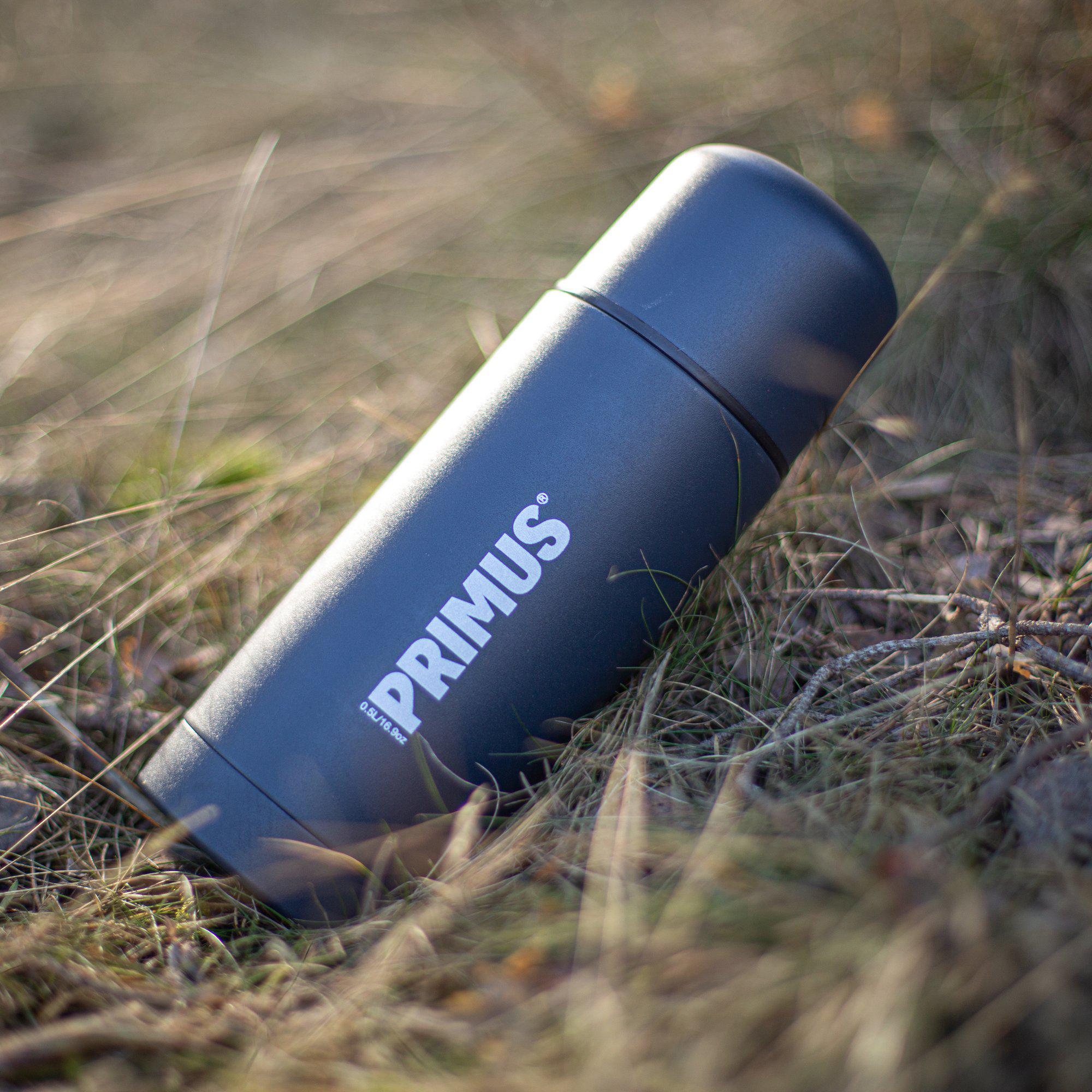
Mountain conditions can change quickly, and shaded sections may feel cool even when the valley is warm. A vacuum flask lets you prepare tea, coffee or another warm drink before departure and save it for a longer break.

For routes that begin early, Primus coffee and tea essentials can also become part of the routine at the campsite or accommodation before travelling to the start.

Save cooking for a suitable place off the route

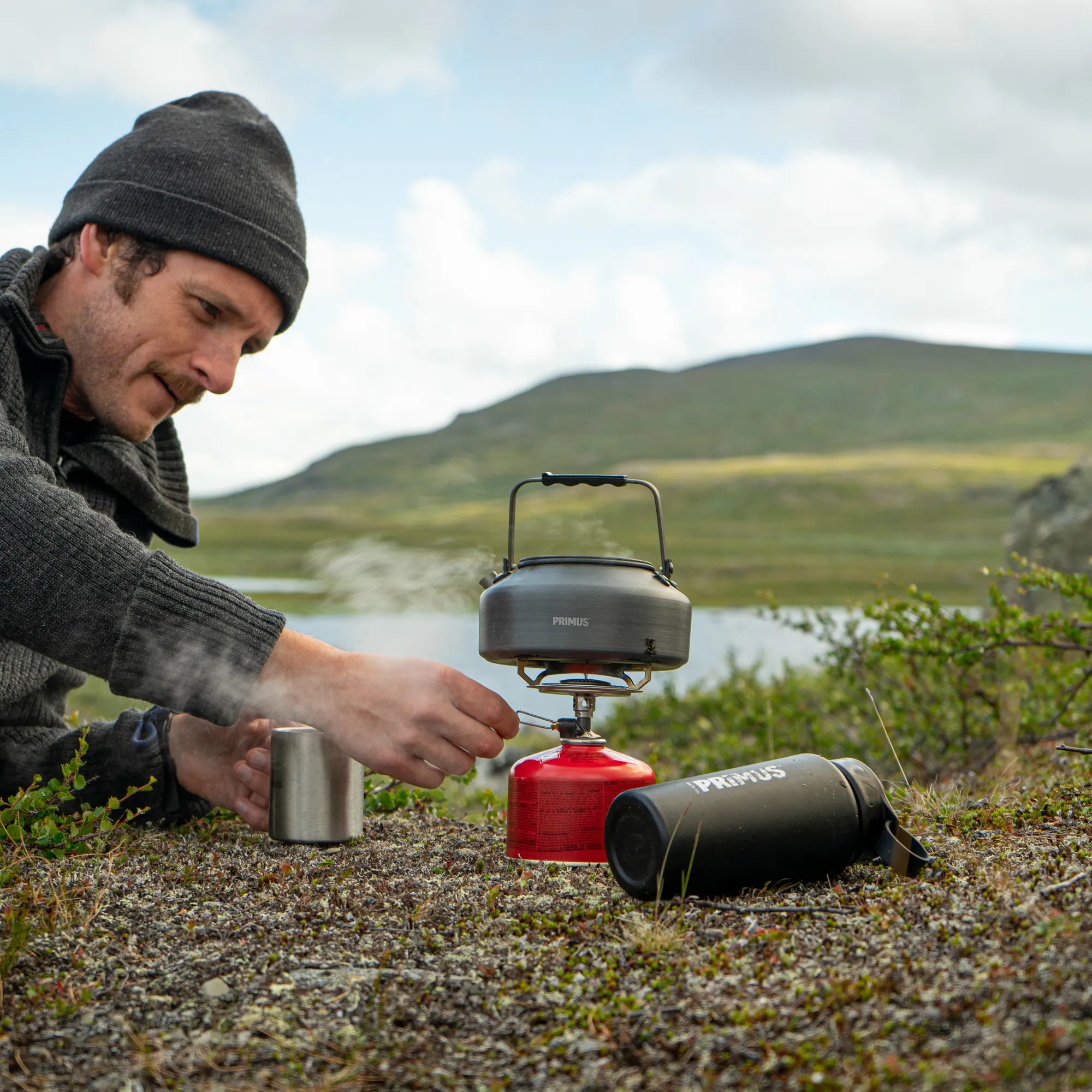
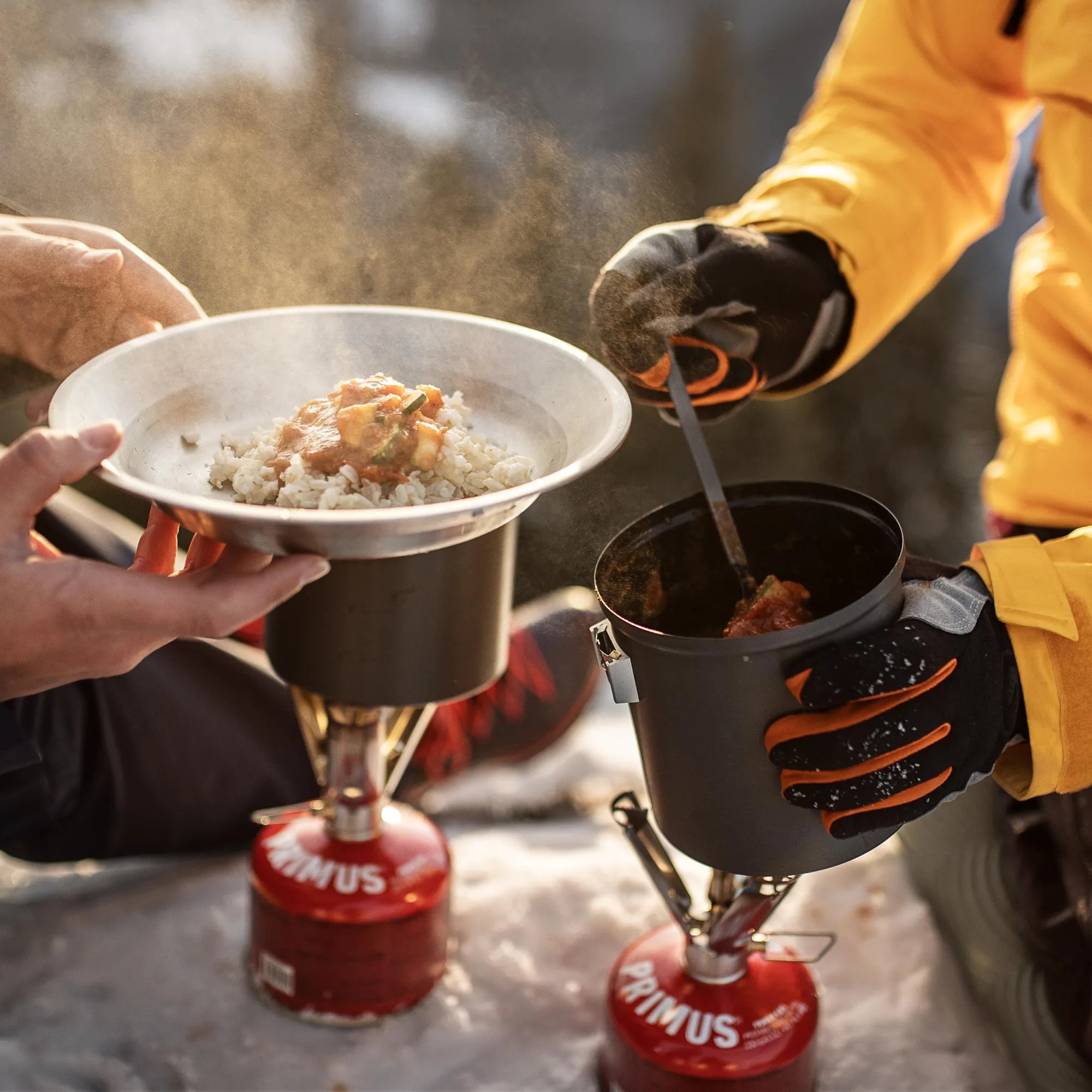
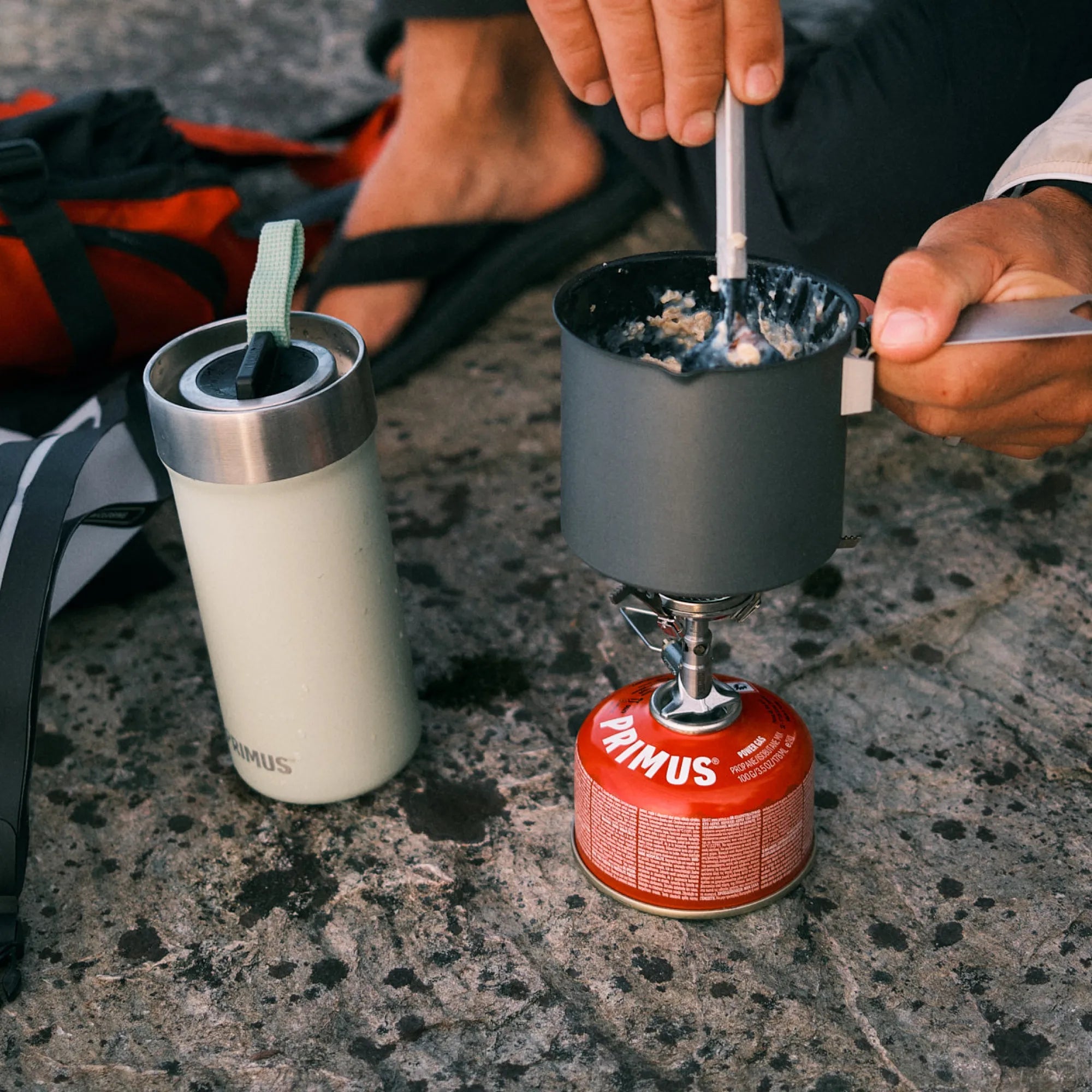
A via ferrata is not a suitable place to set up a stove on exposed climbing sections, narrow ledges or beside the safety cable. Cooking belongs at a permitted and stable area before the approach, after the descent or at the campsite.

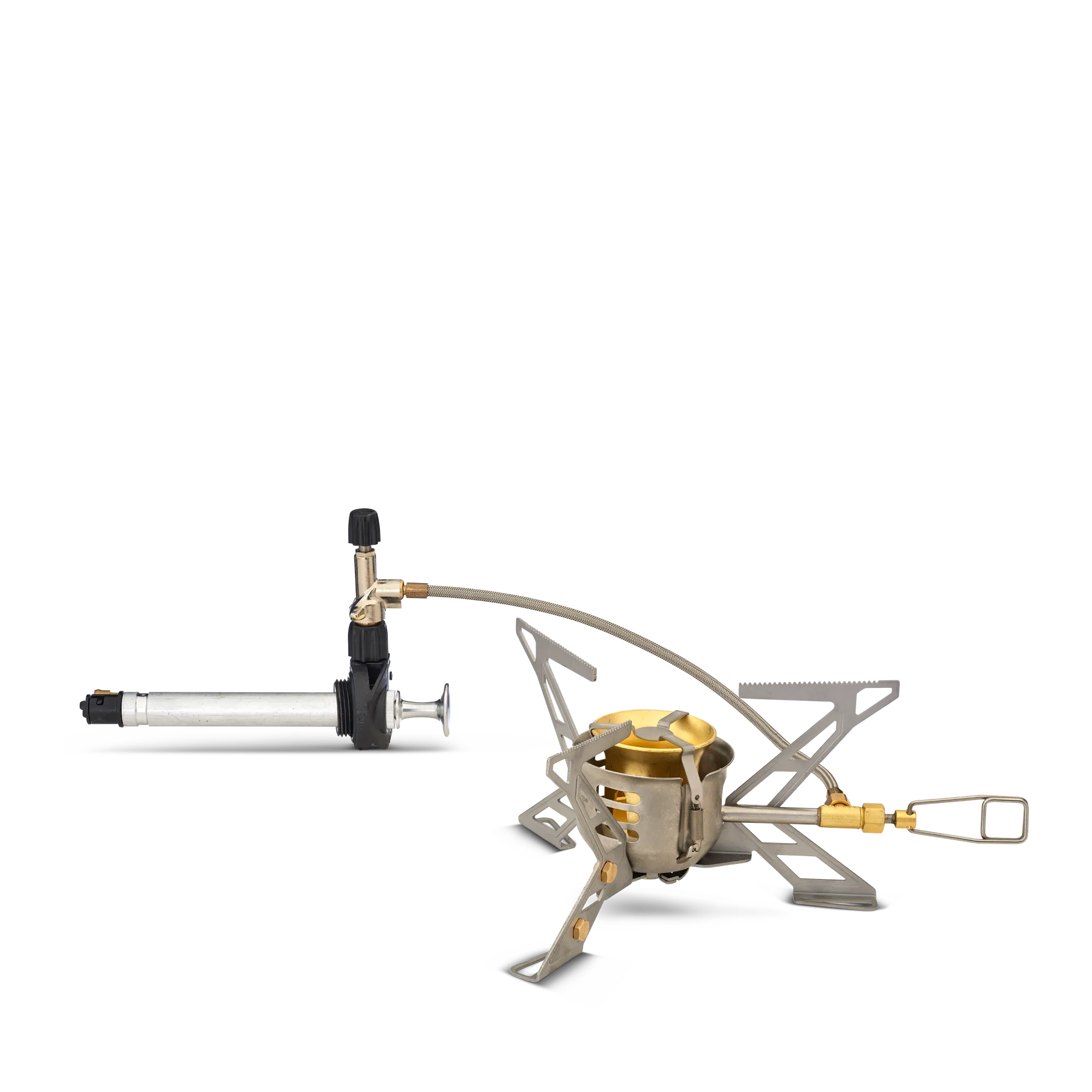
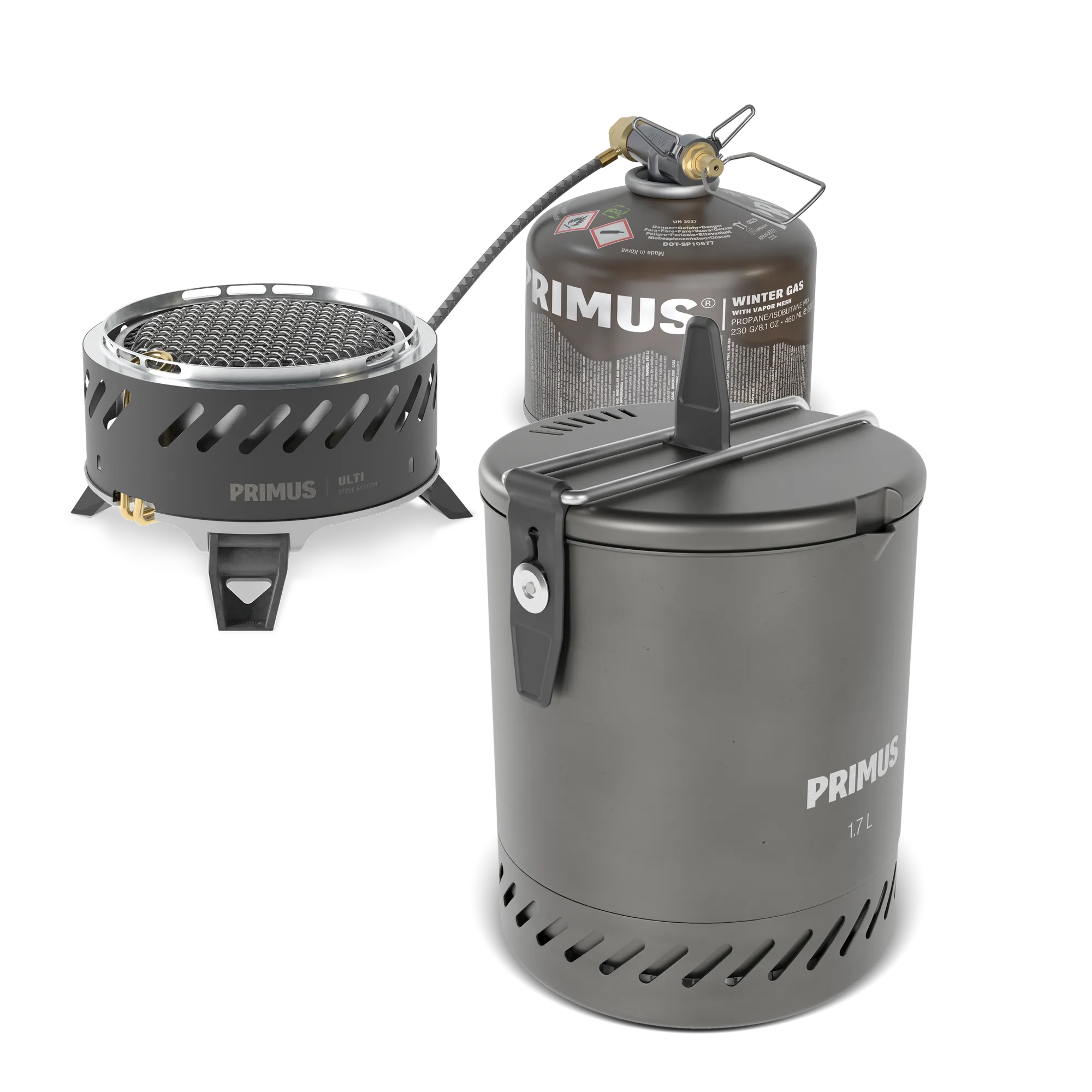
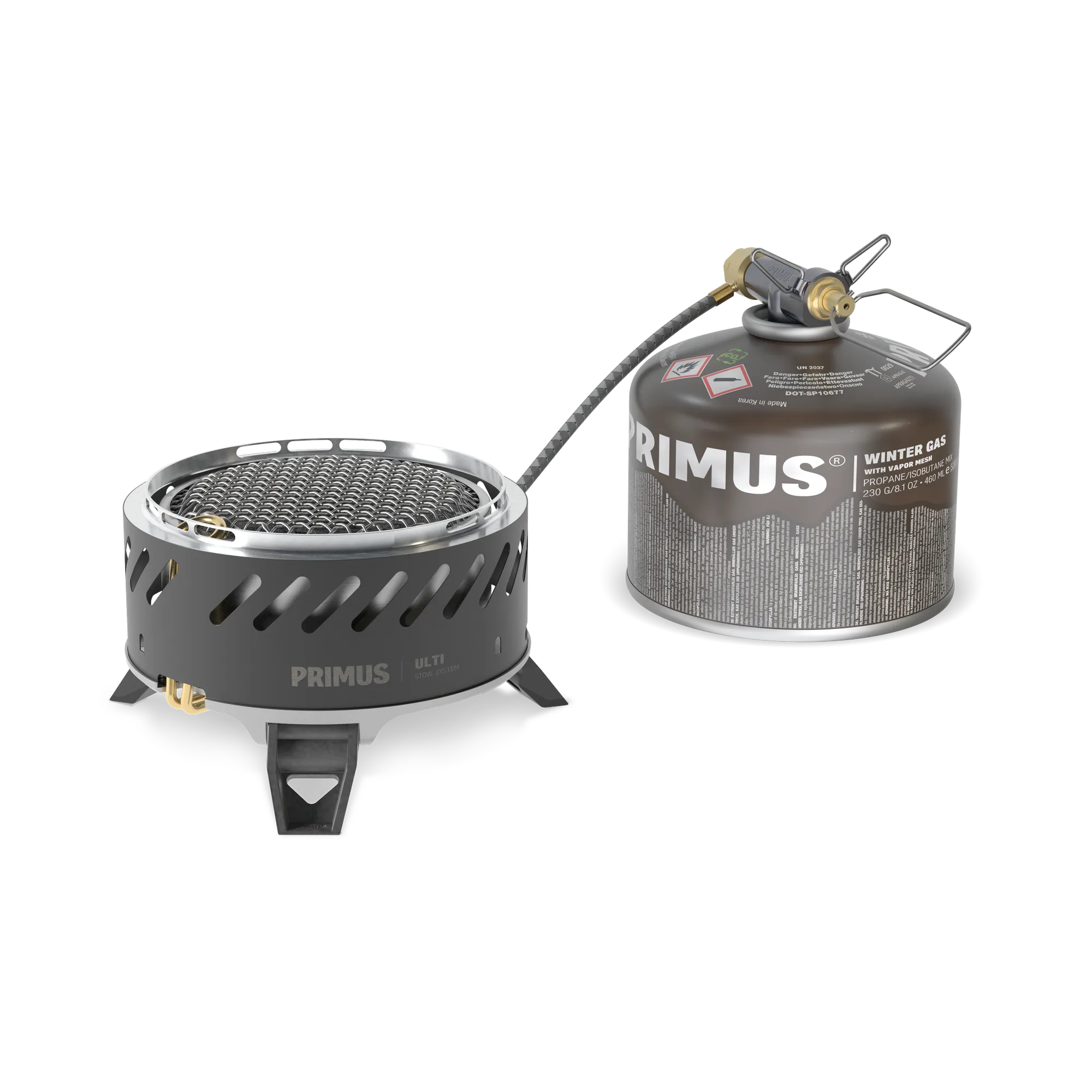
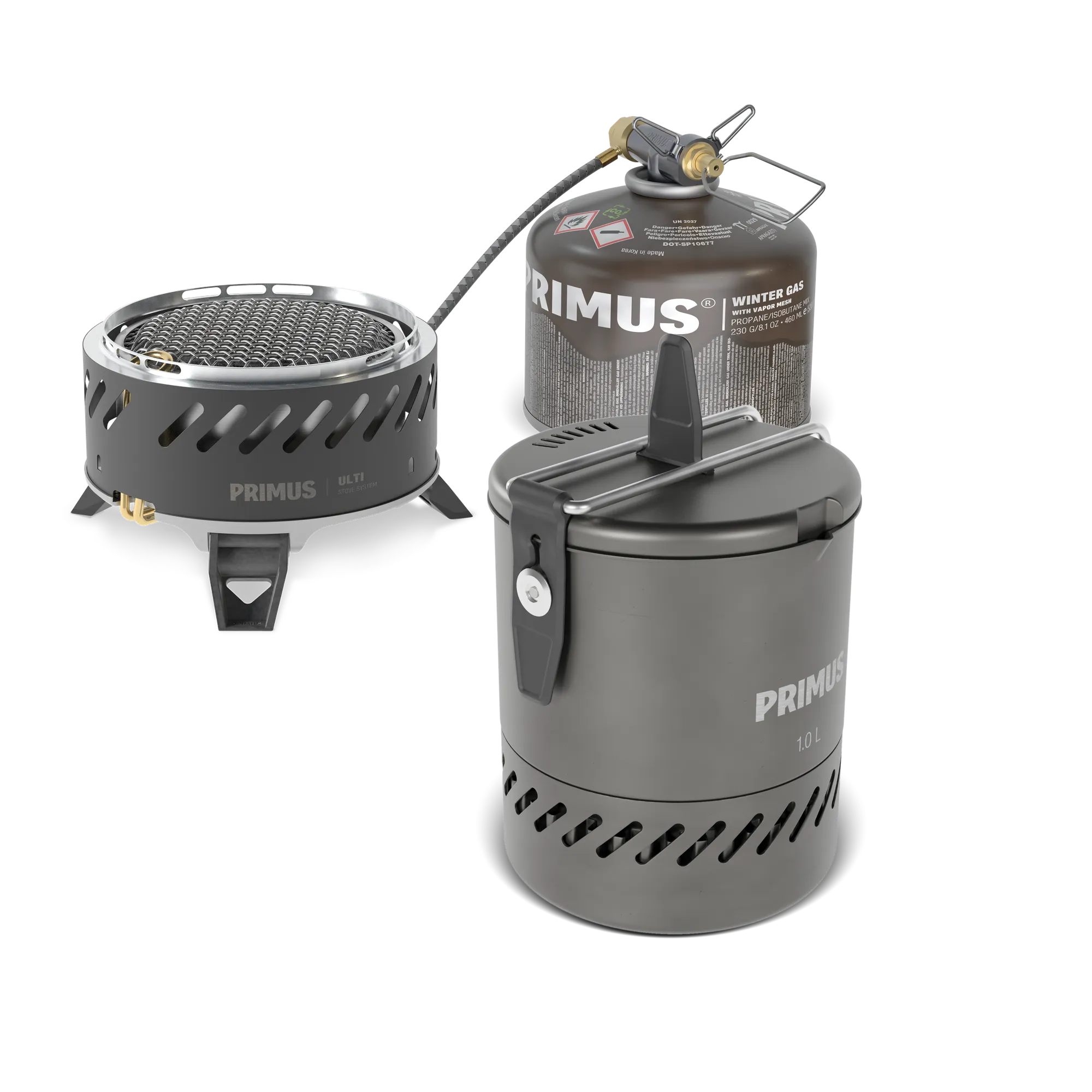
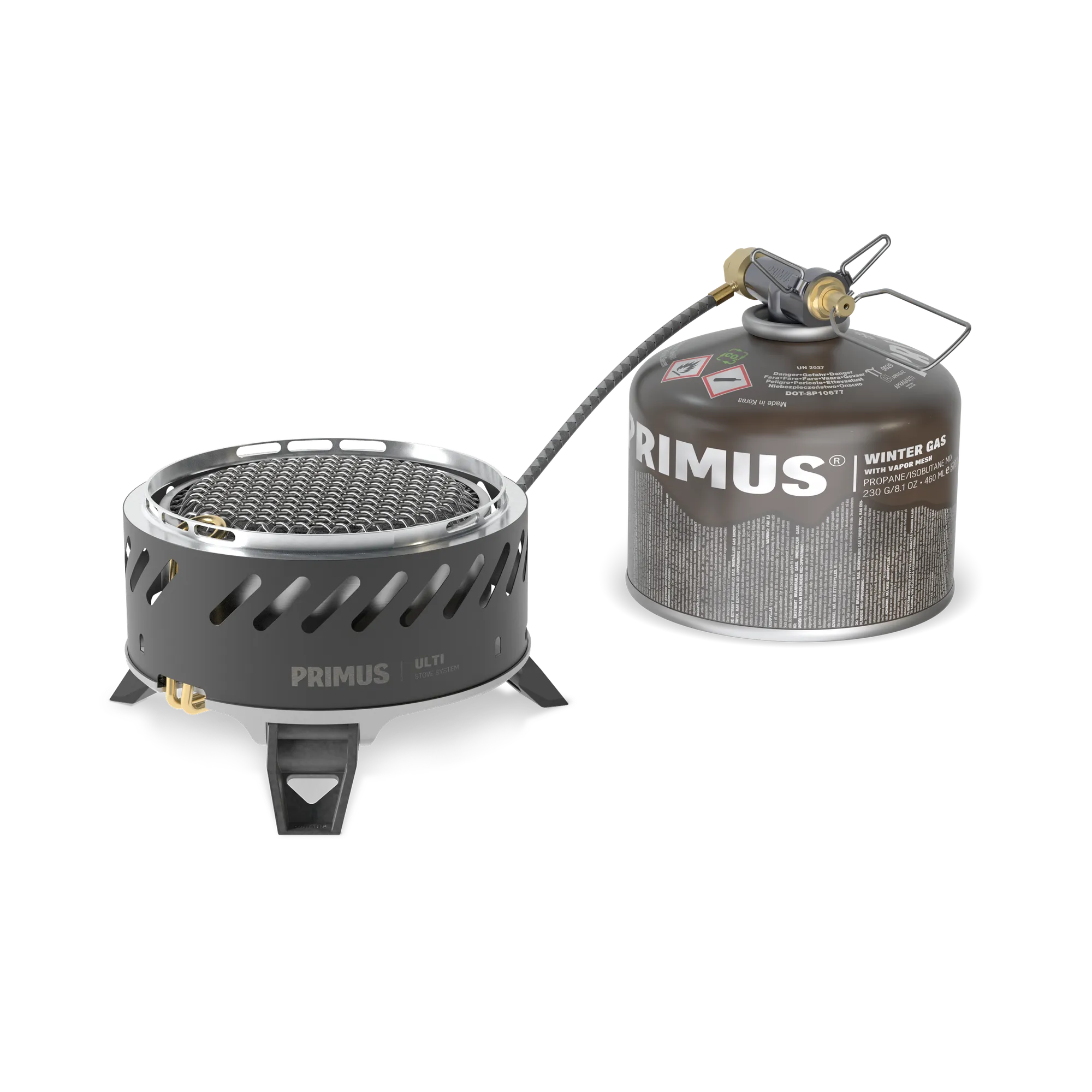
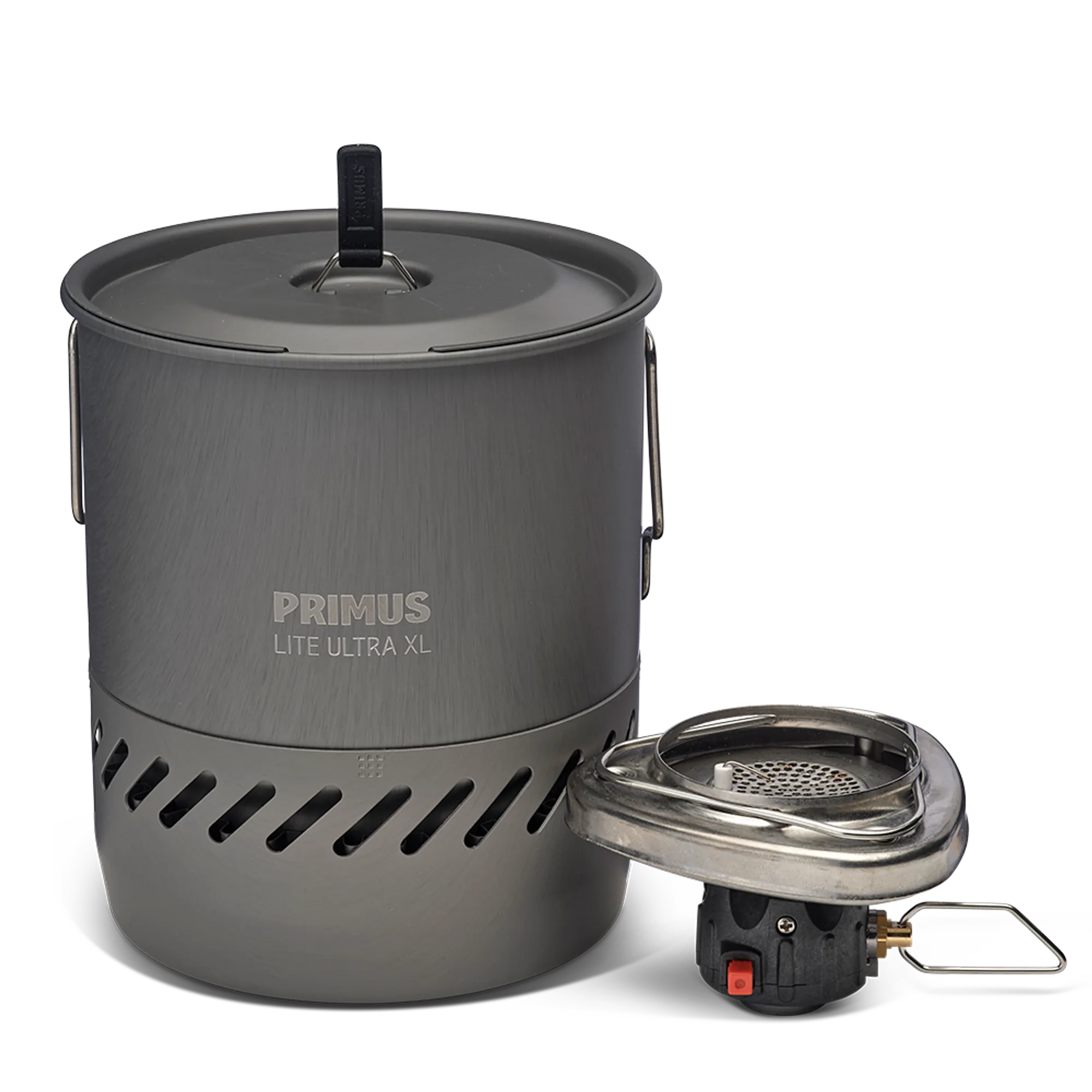
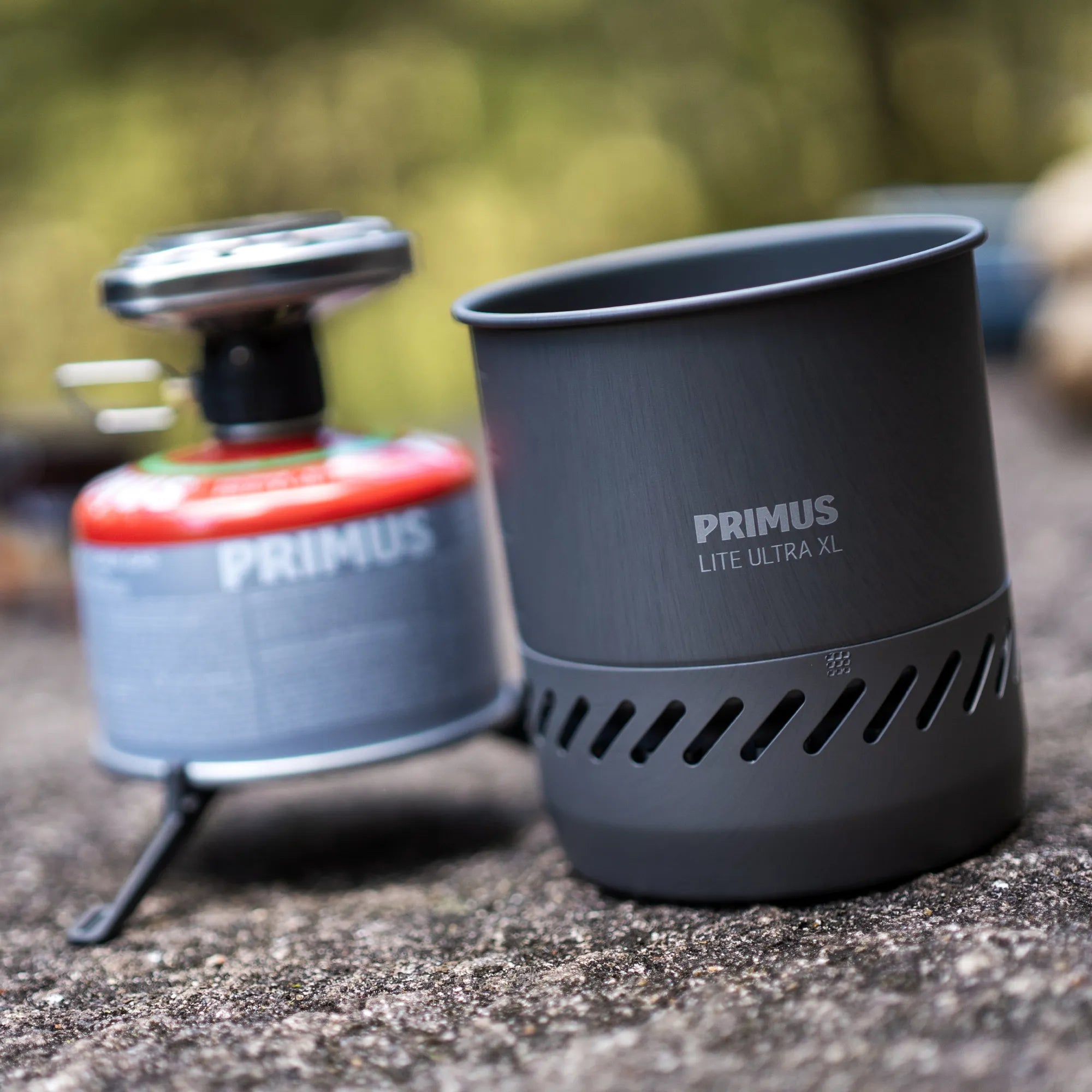
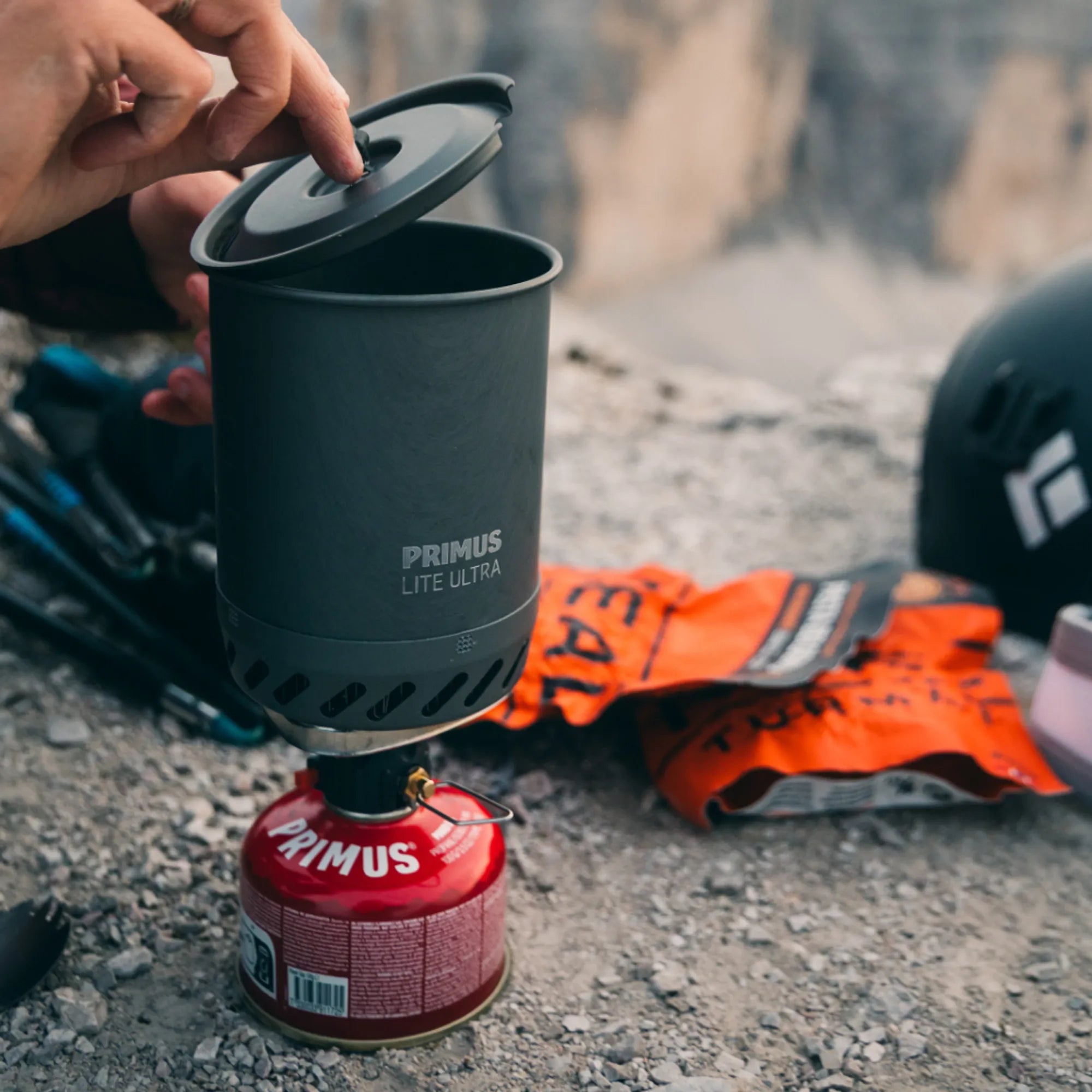
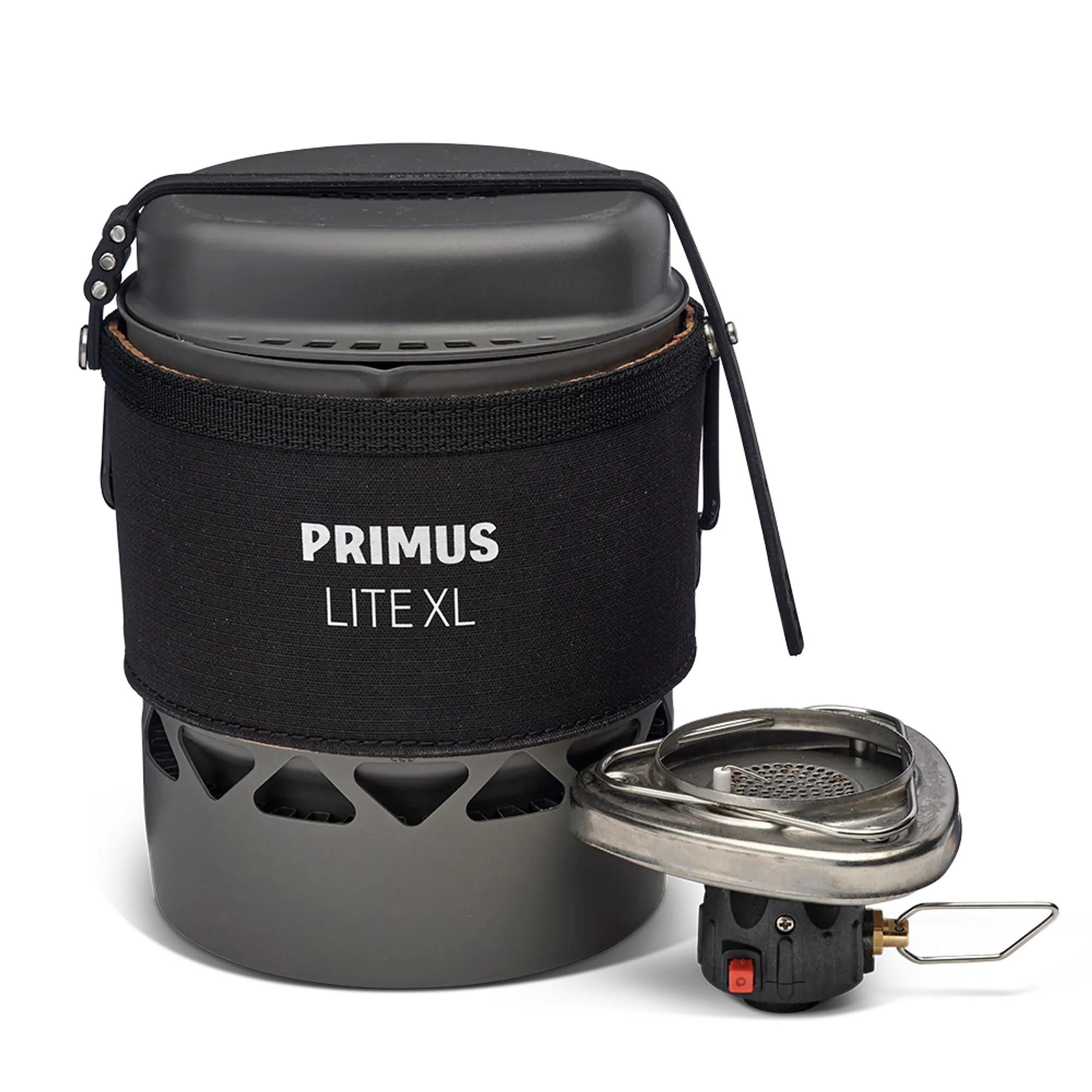
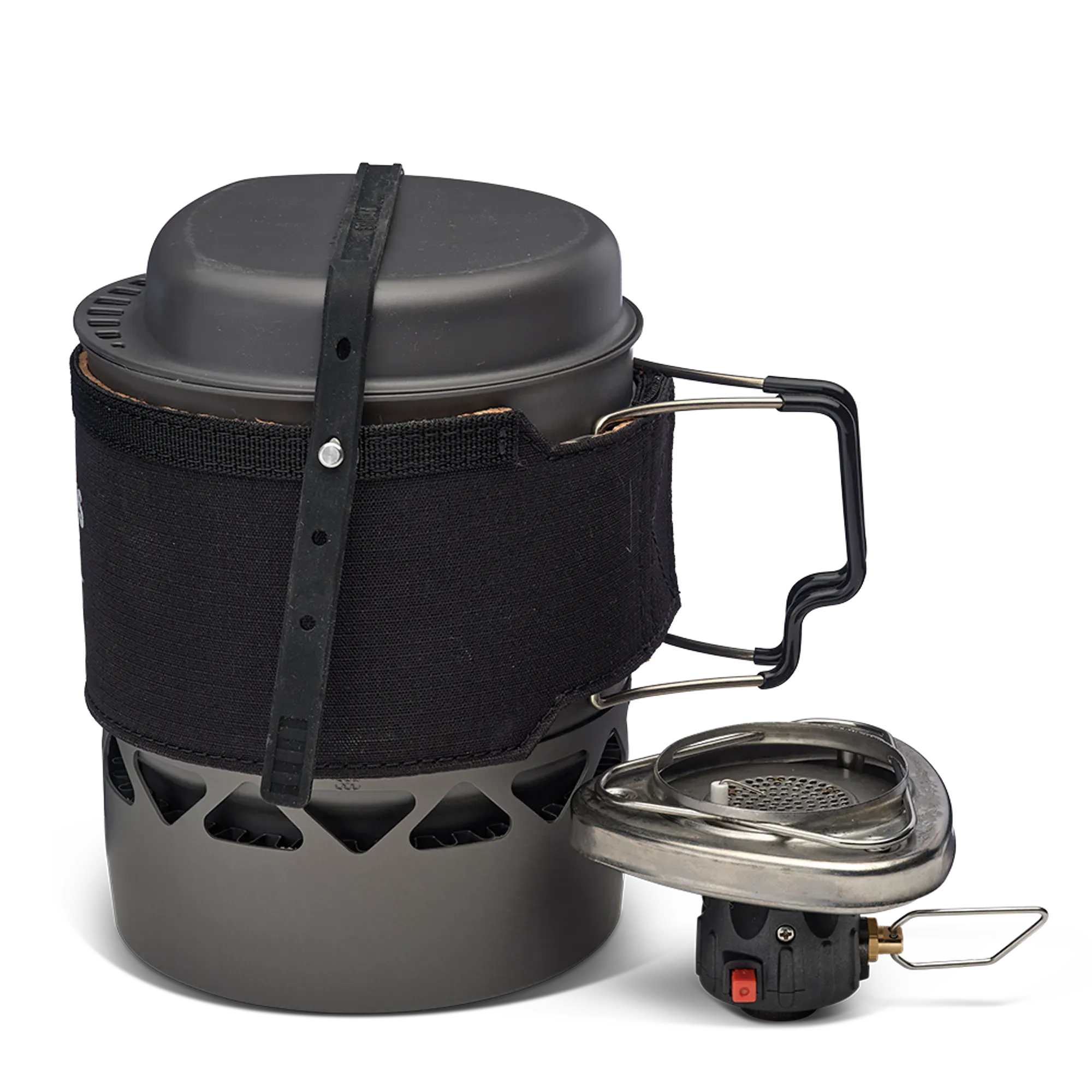
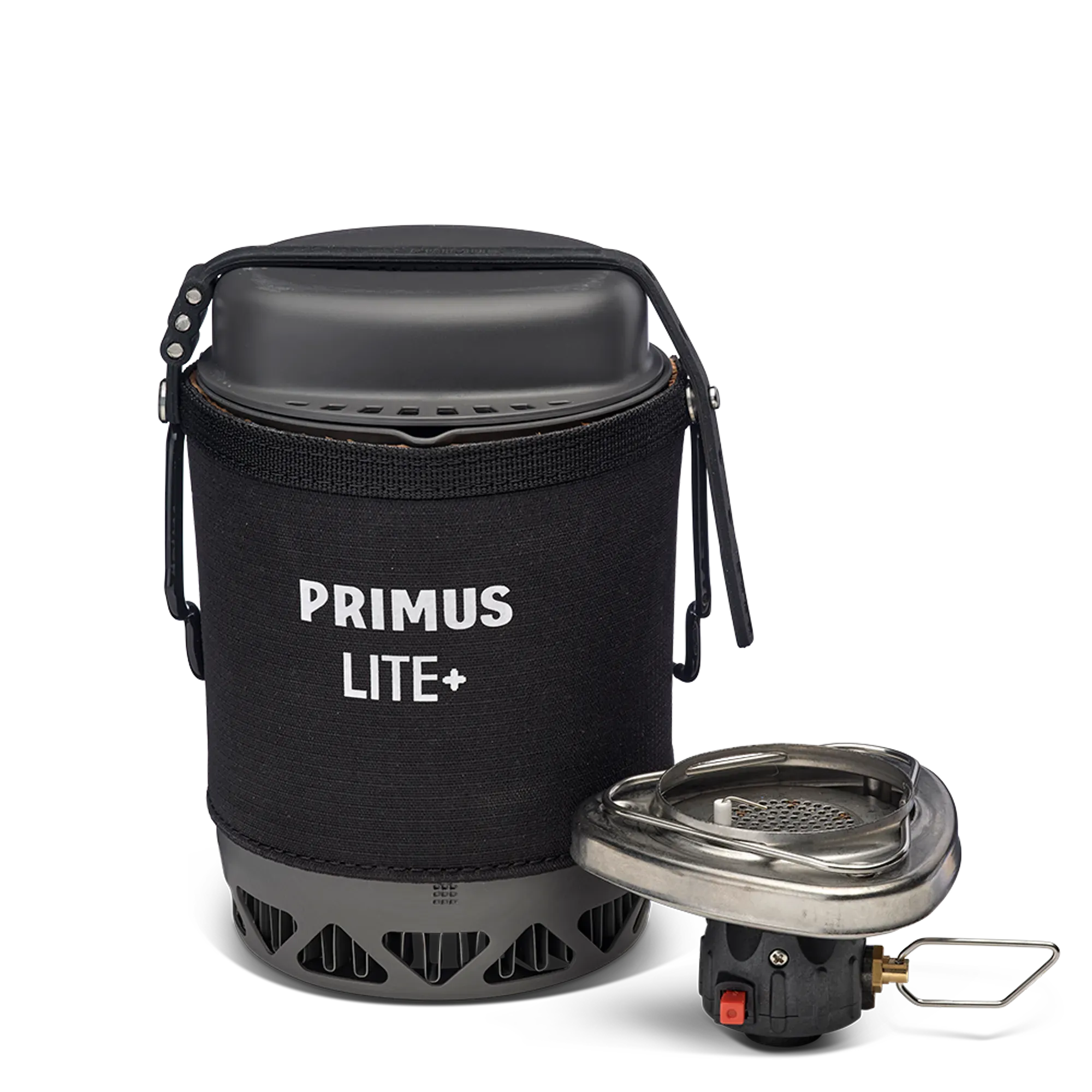
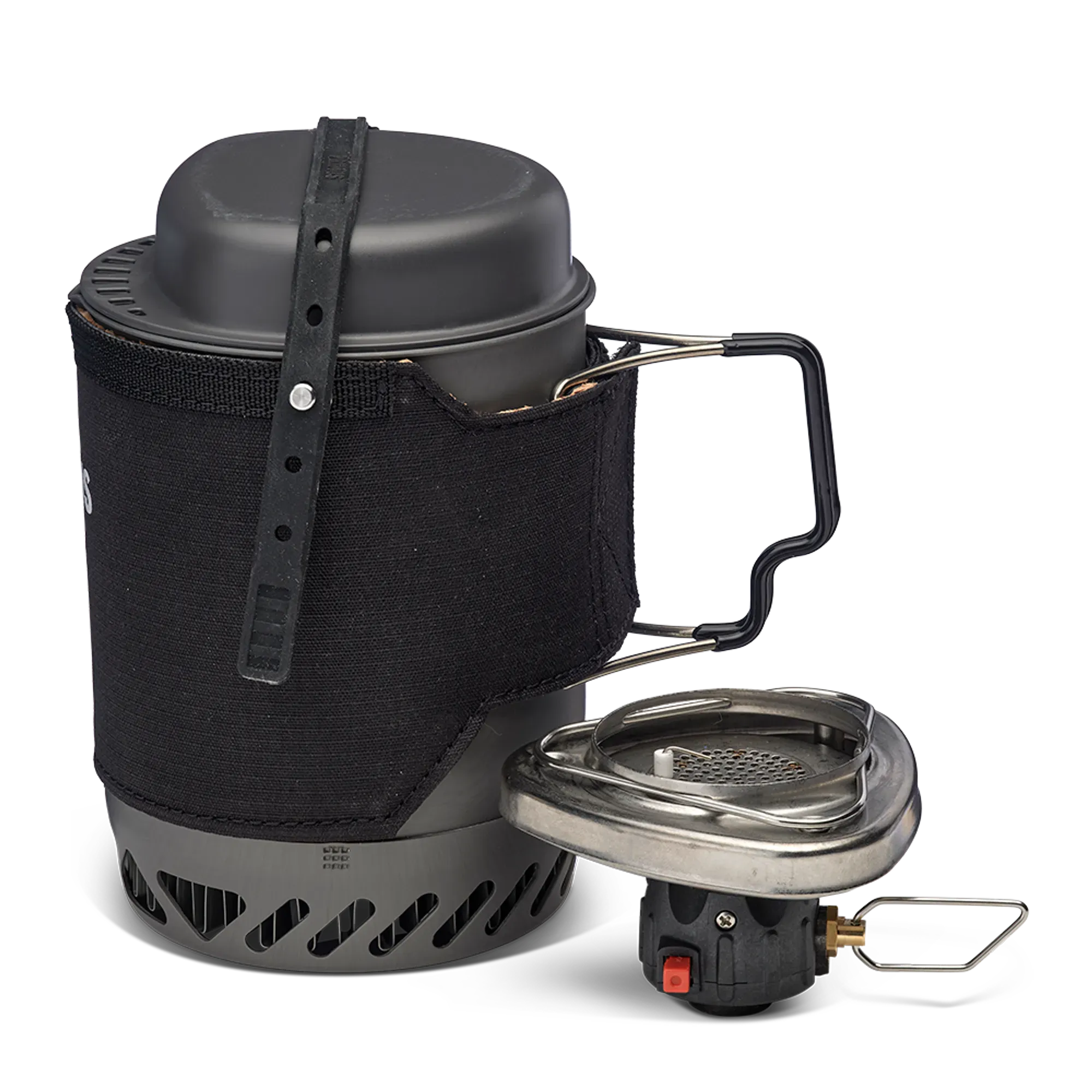
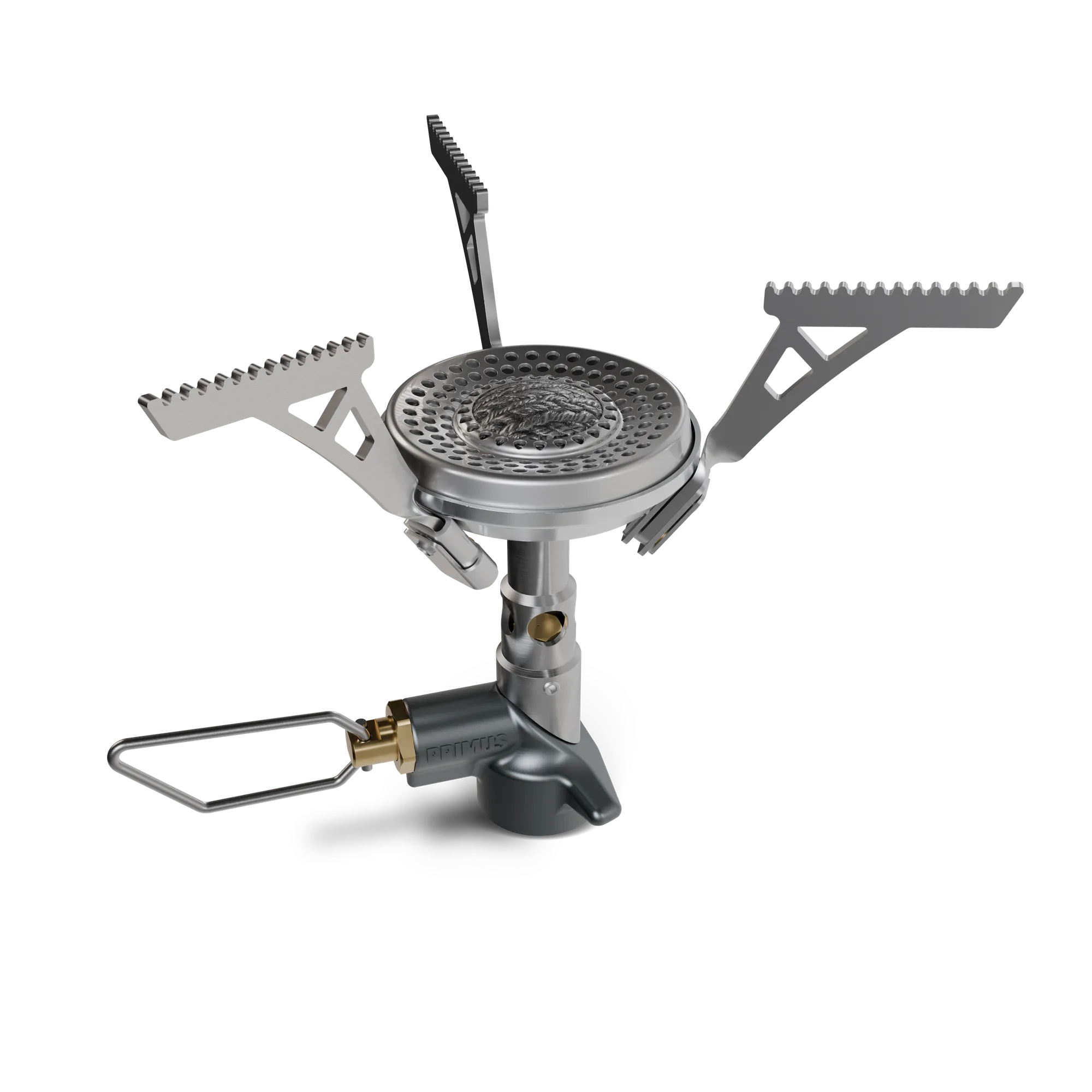
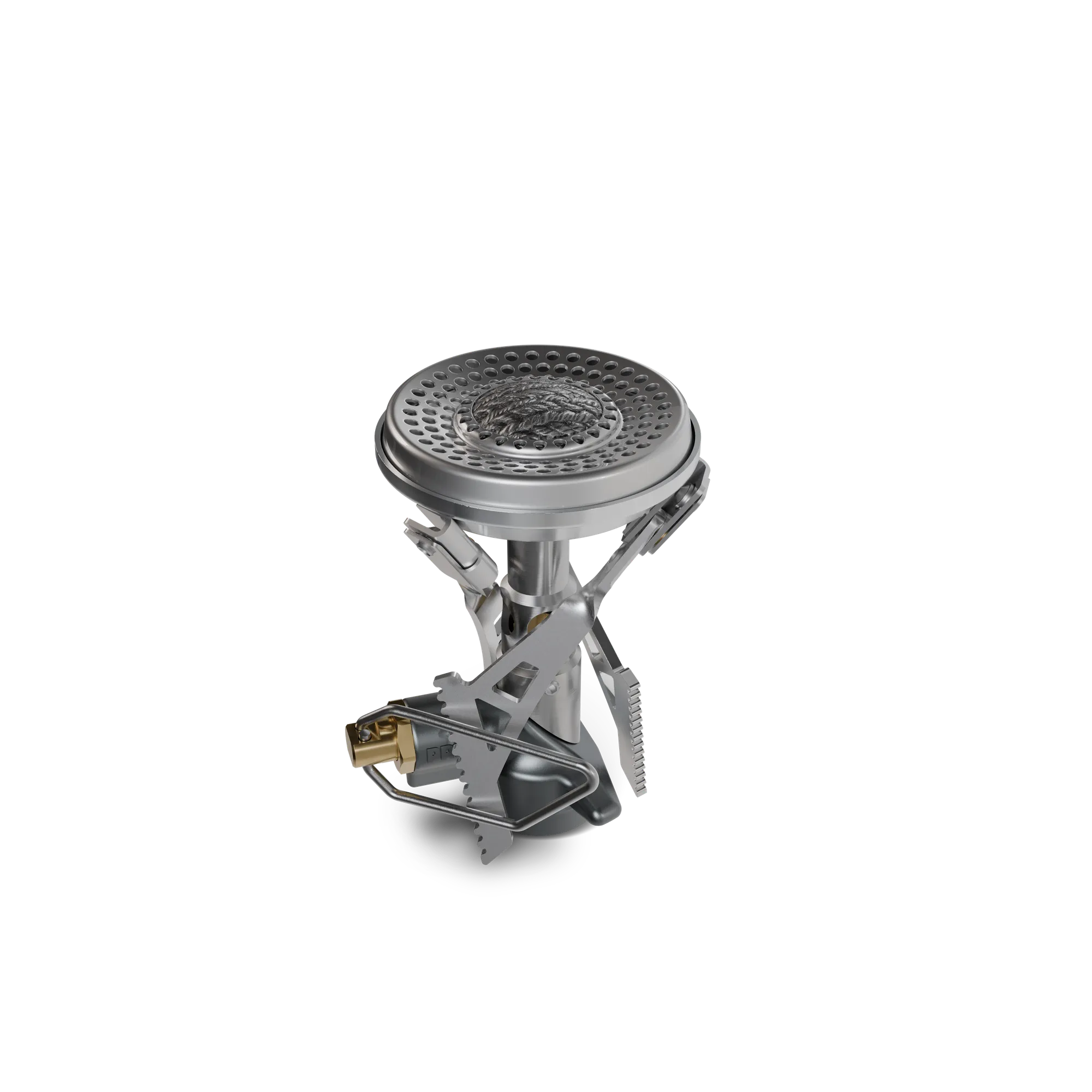
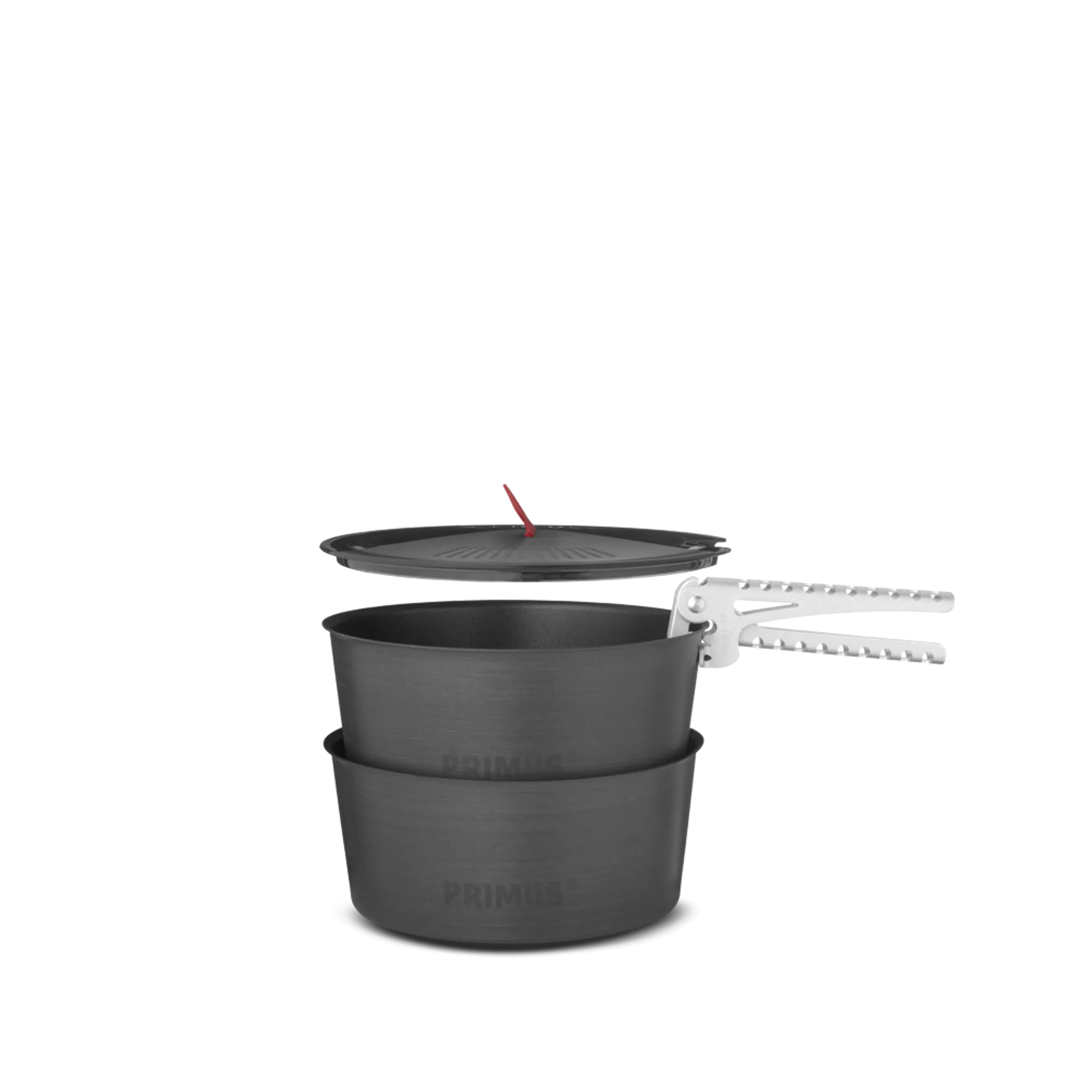
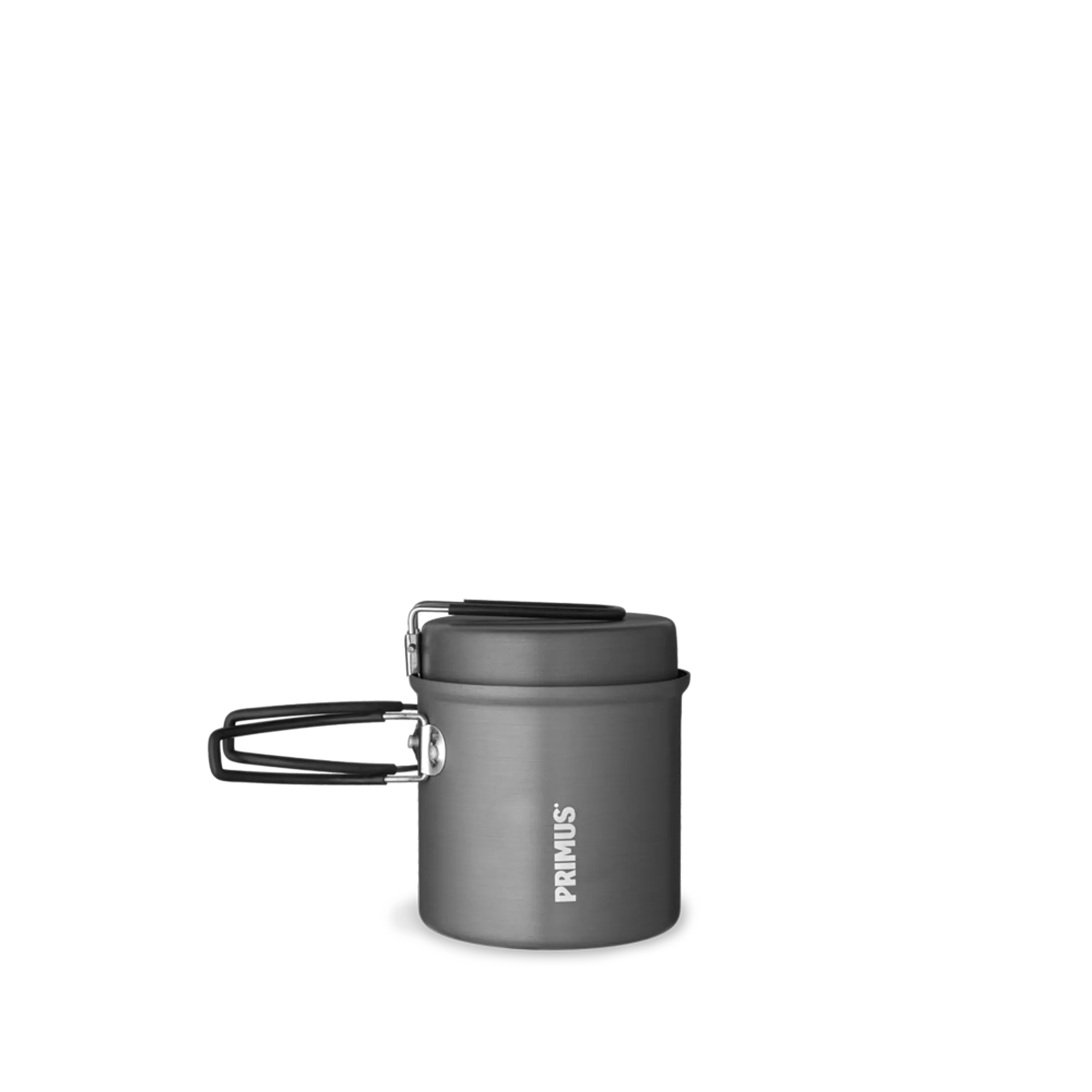
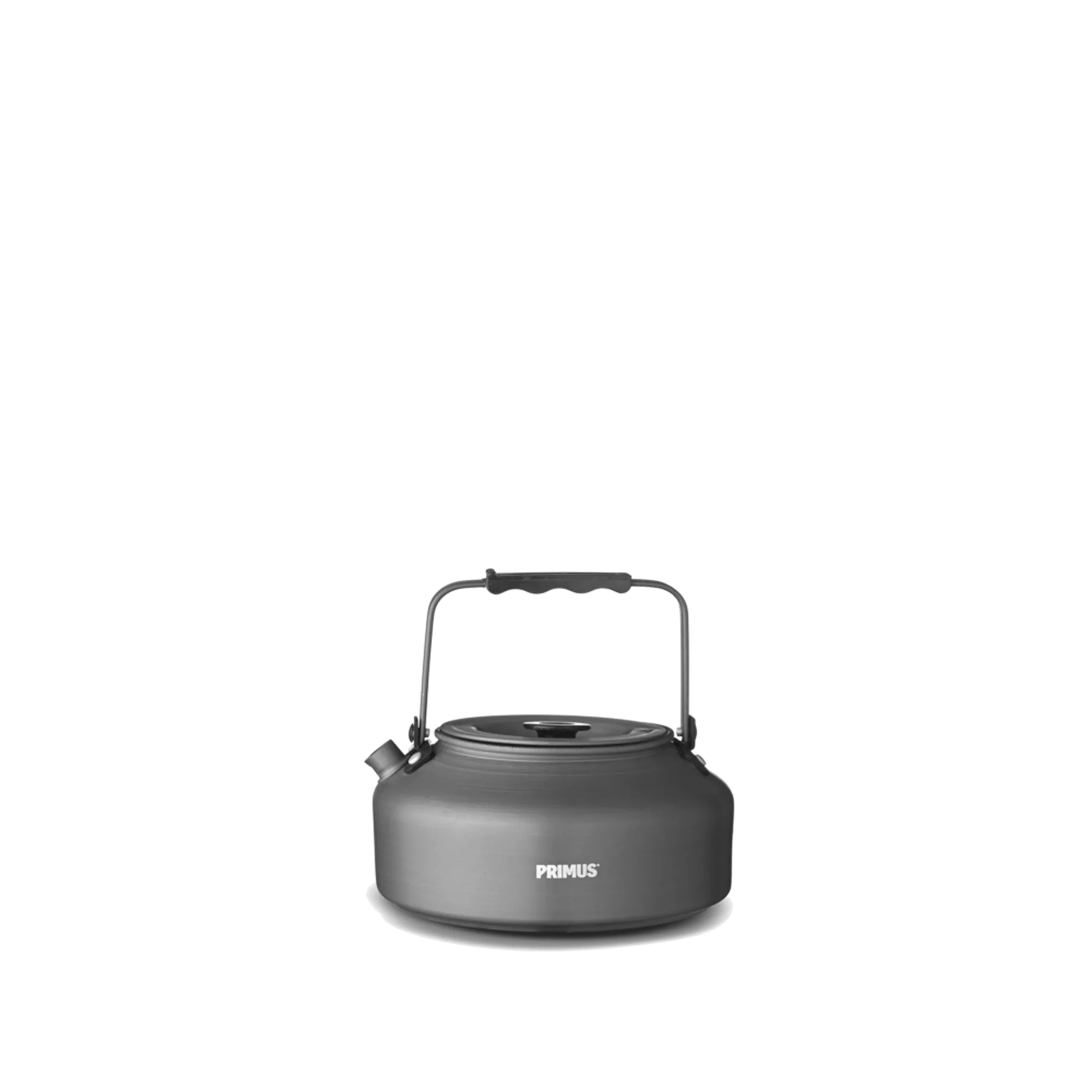
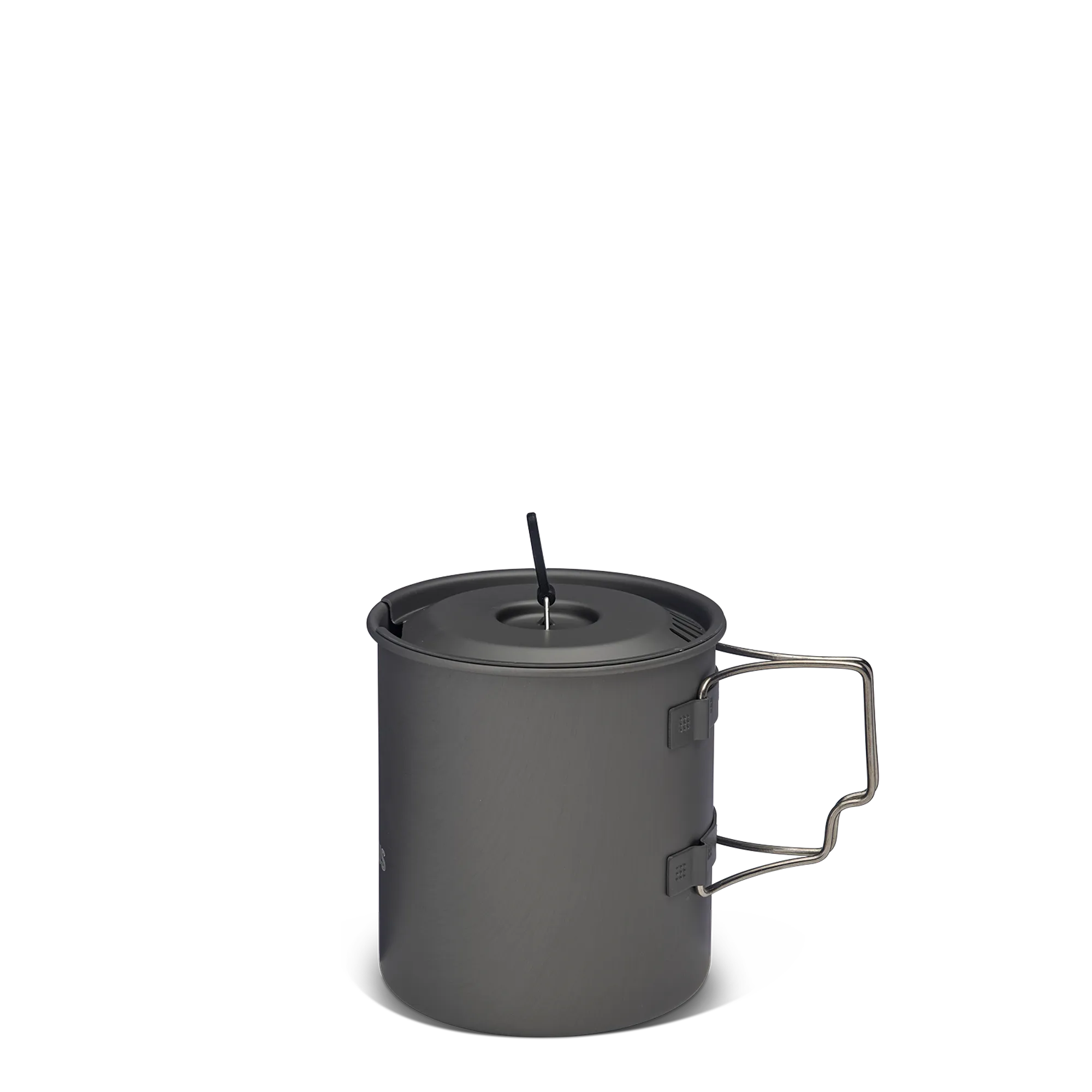
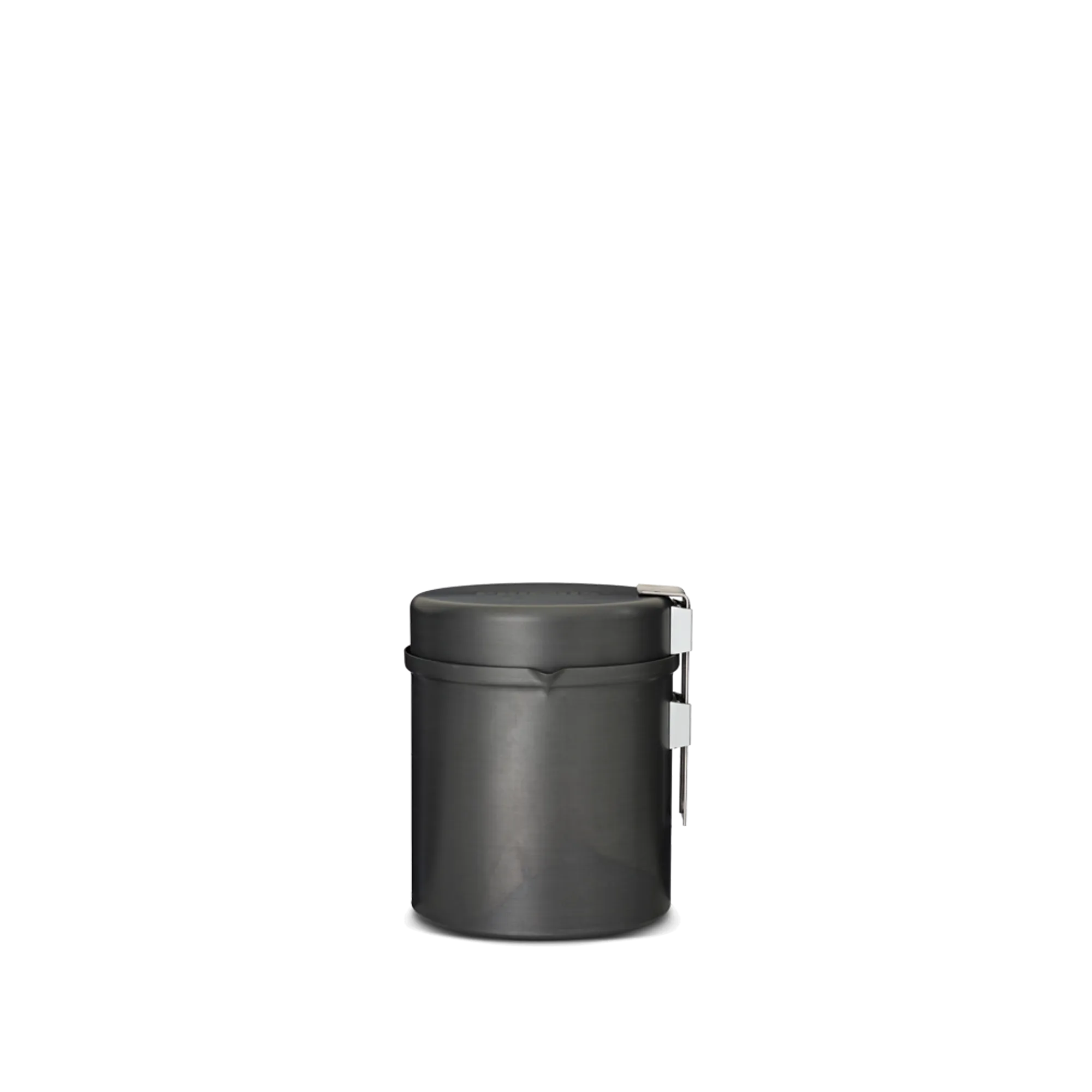
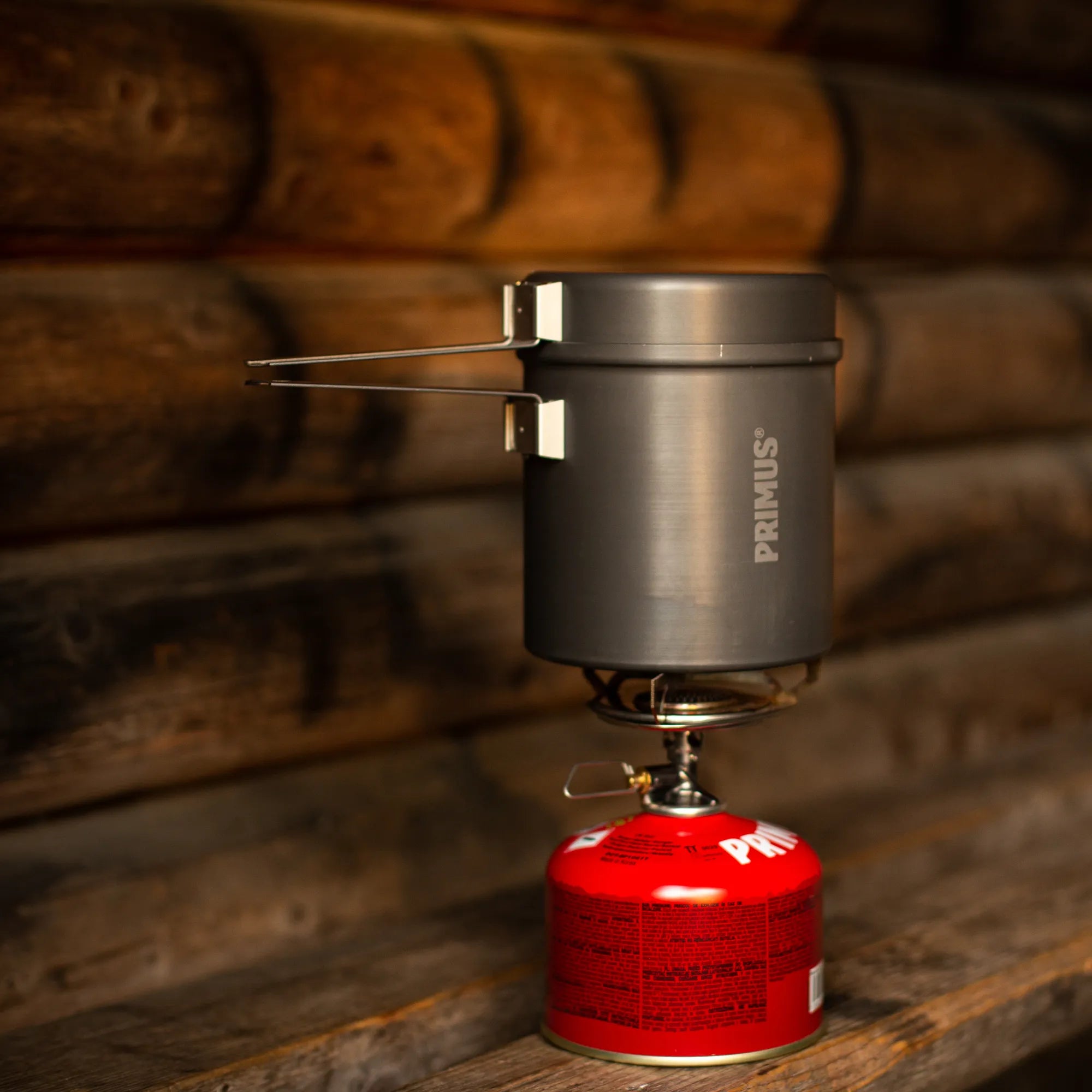
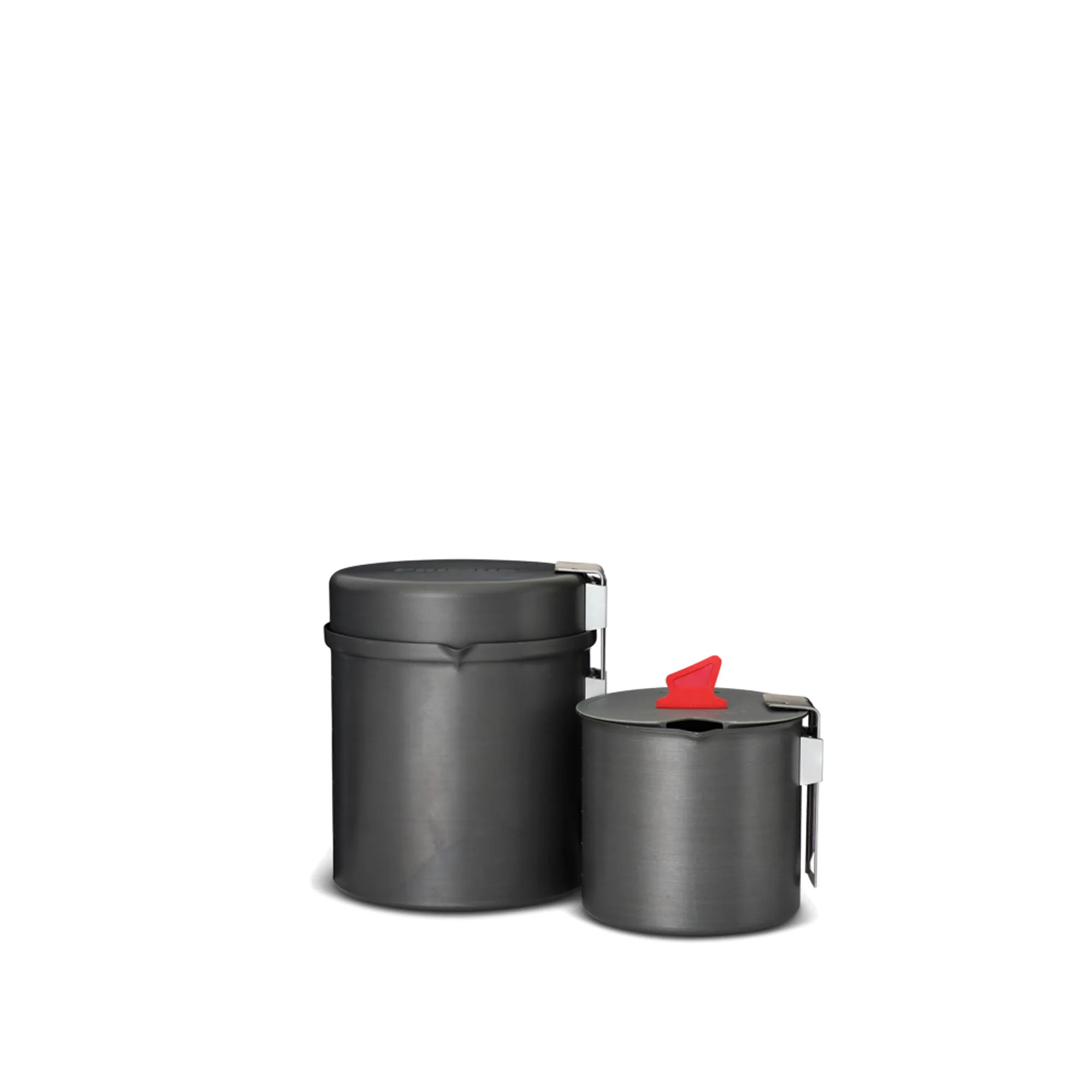
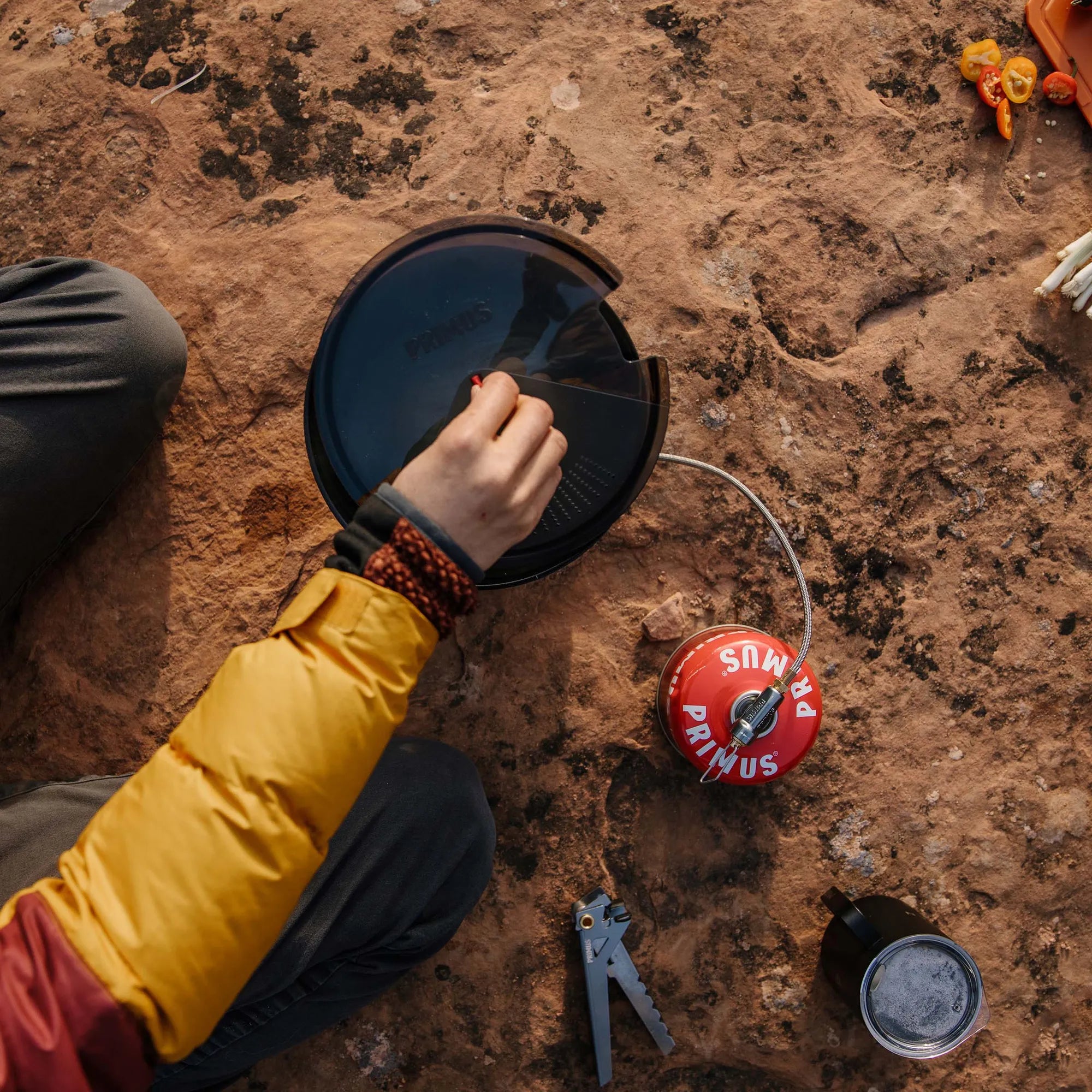
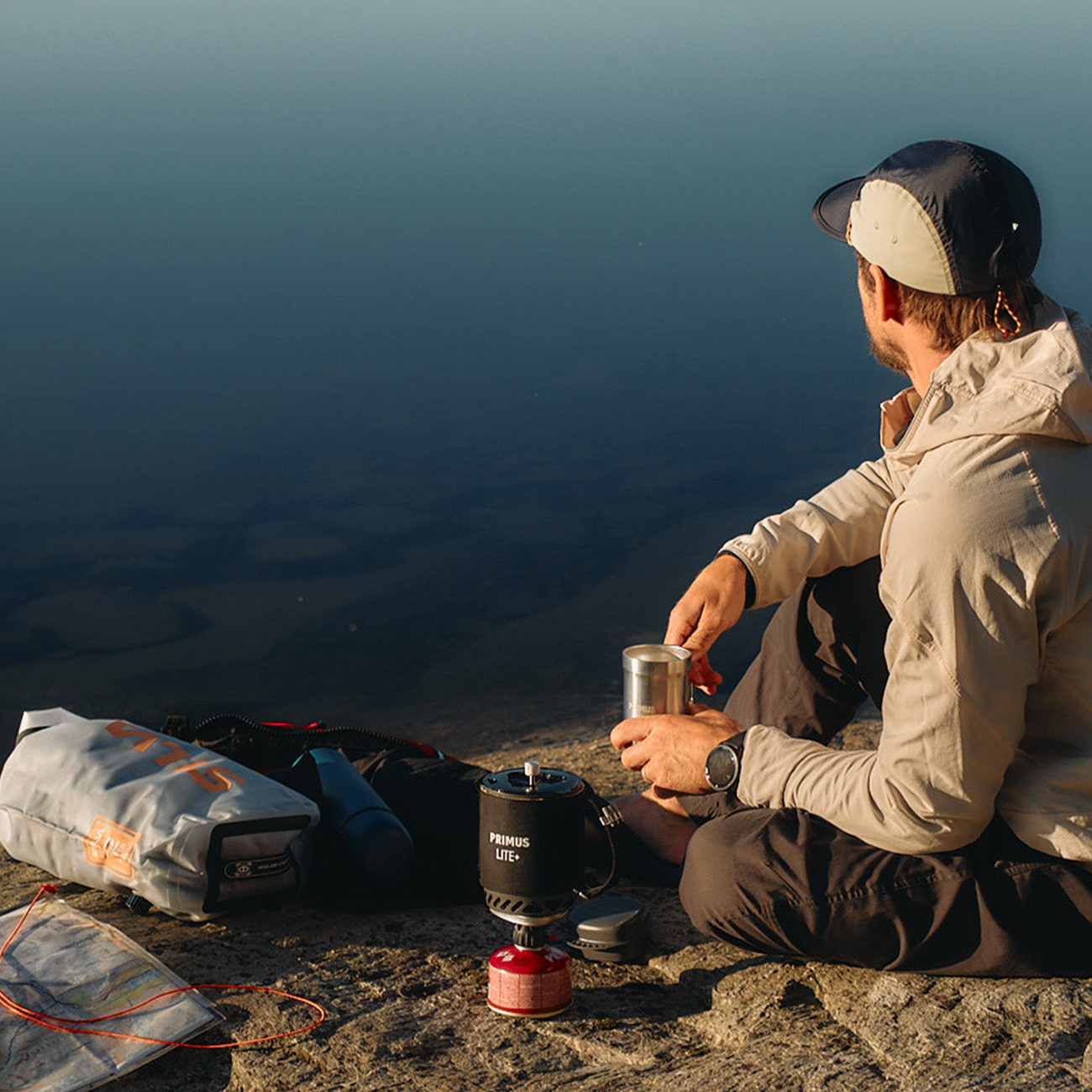
A compact option from the Primus range of backpacking stoves makes it possible to prepare a simple meal without carrying a large camp kitchen. Lite Stove System keeps the burner and pot together for trips where packing space matters.

Choose cookware for the meal after the climb

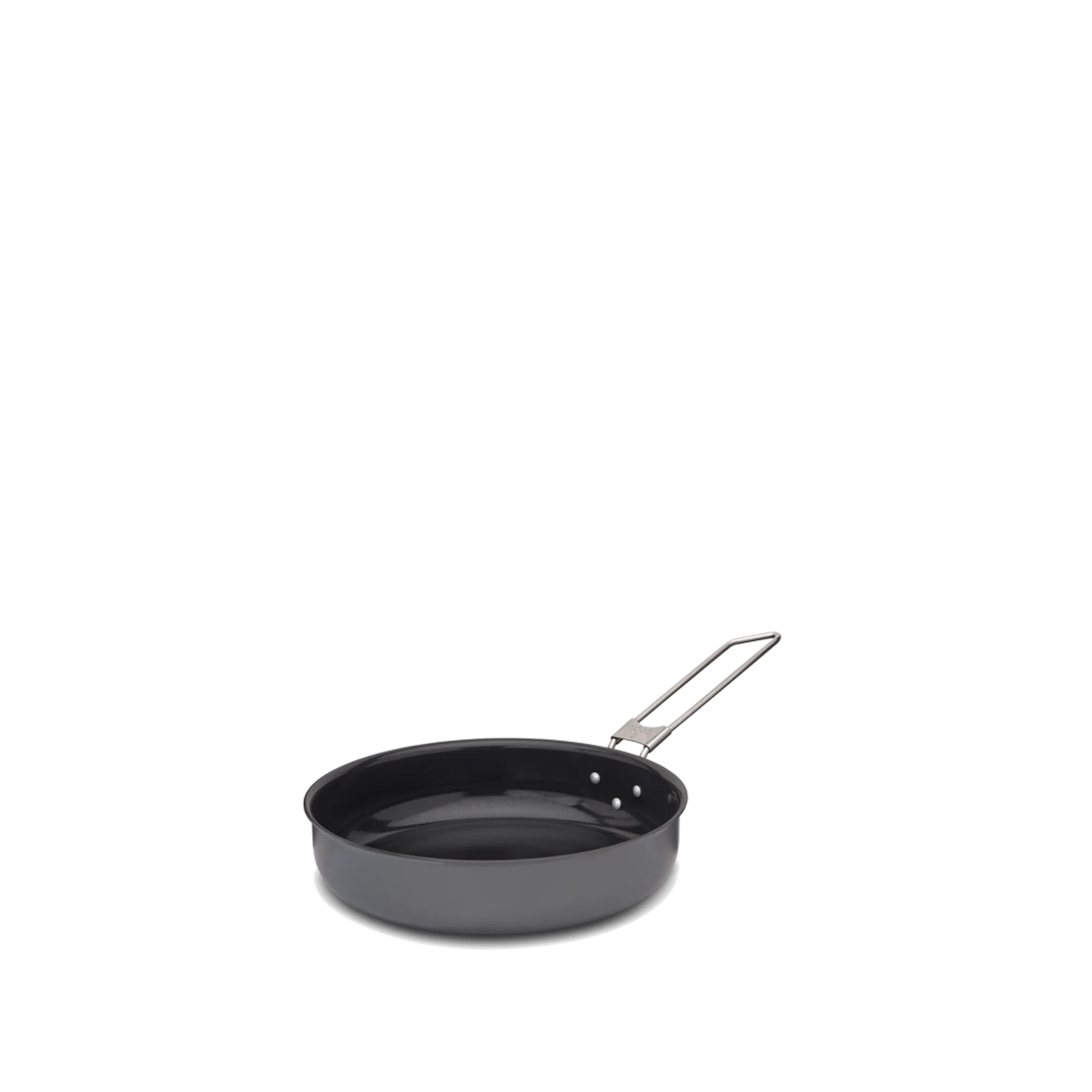
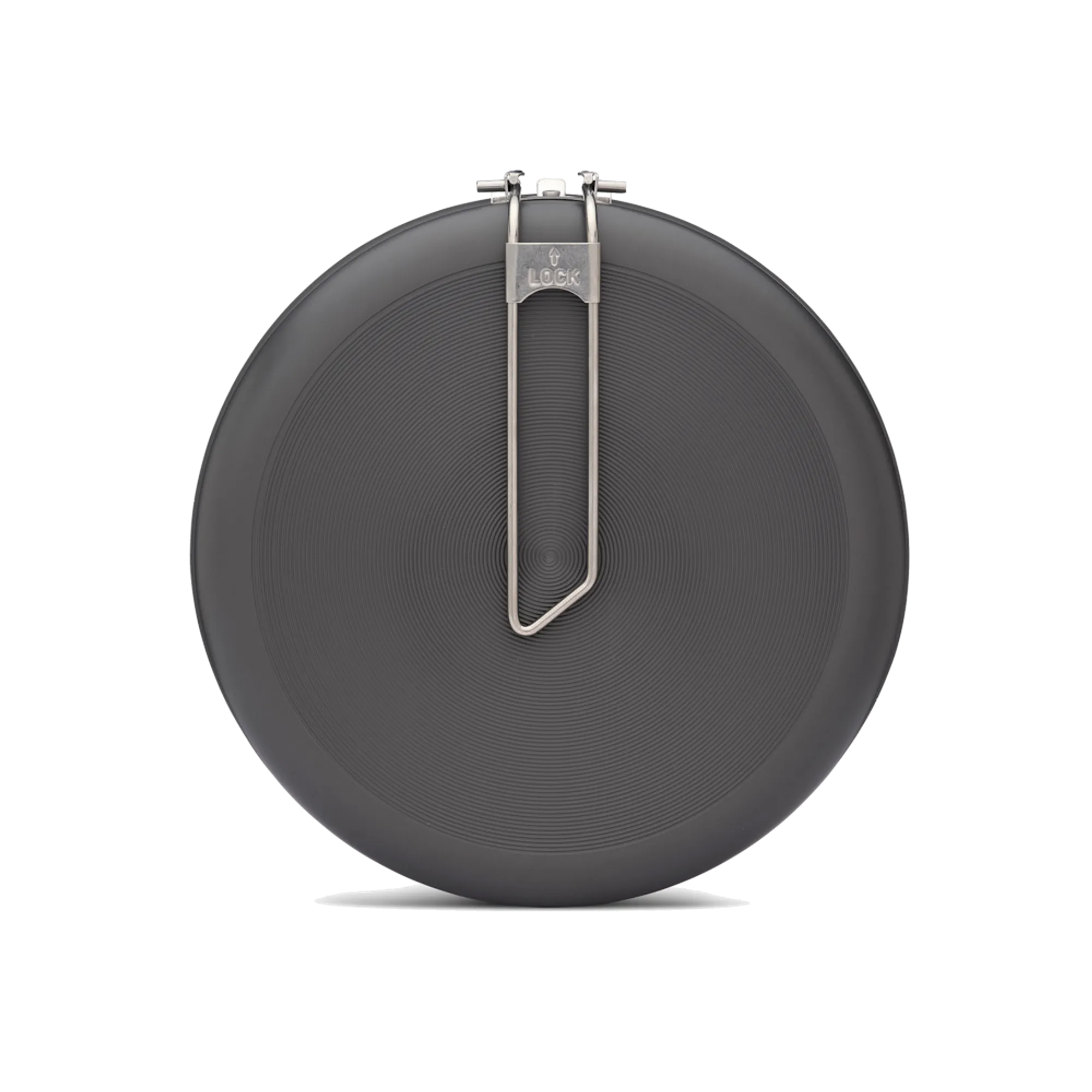
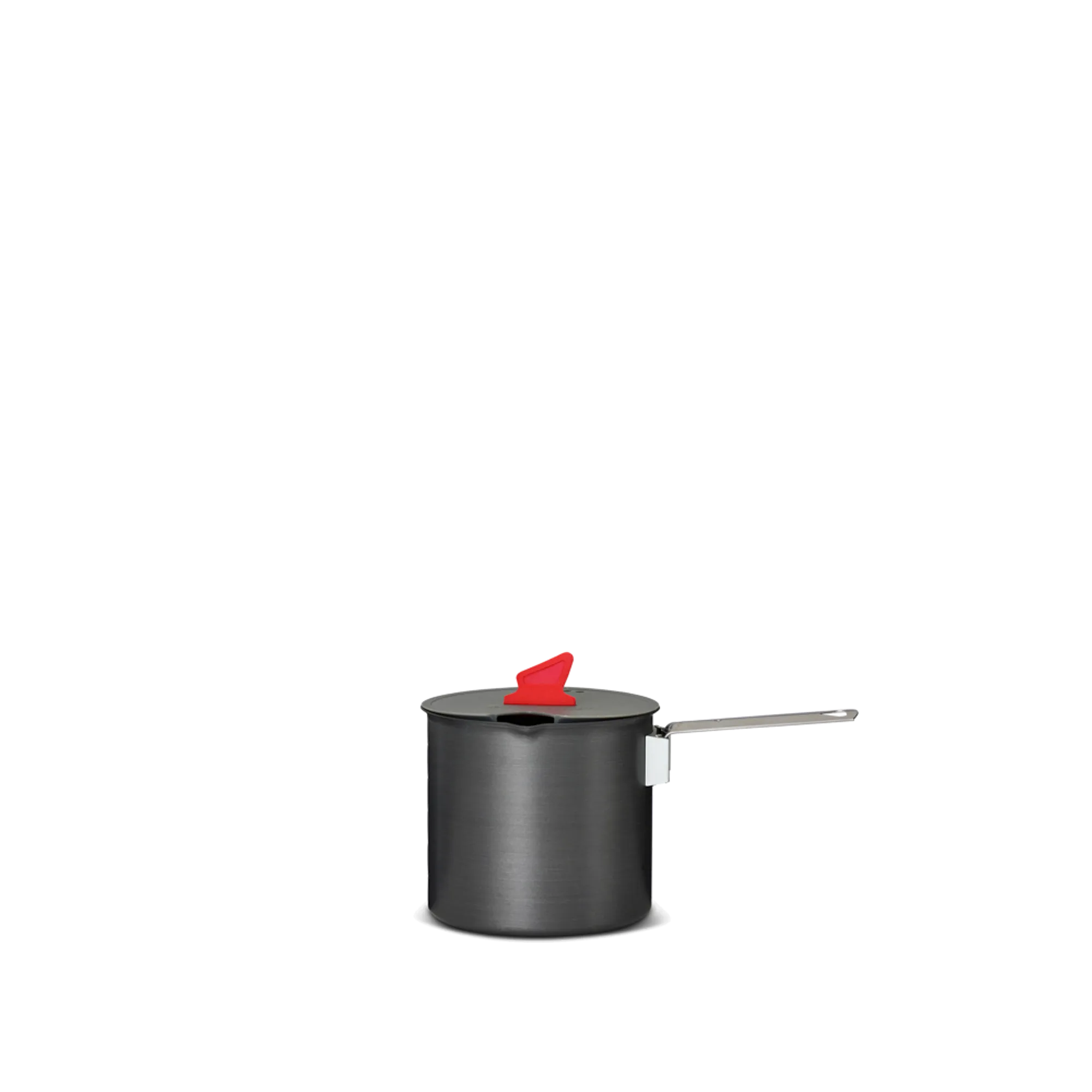
The return to the campsite or starting area is often the first opportunity to sit down and prepare a full meal. Primus cookware and utensils can be selected according to whether you travel alone, share equipment with a partner or cook for a larger group.

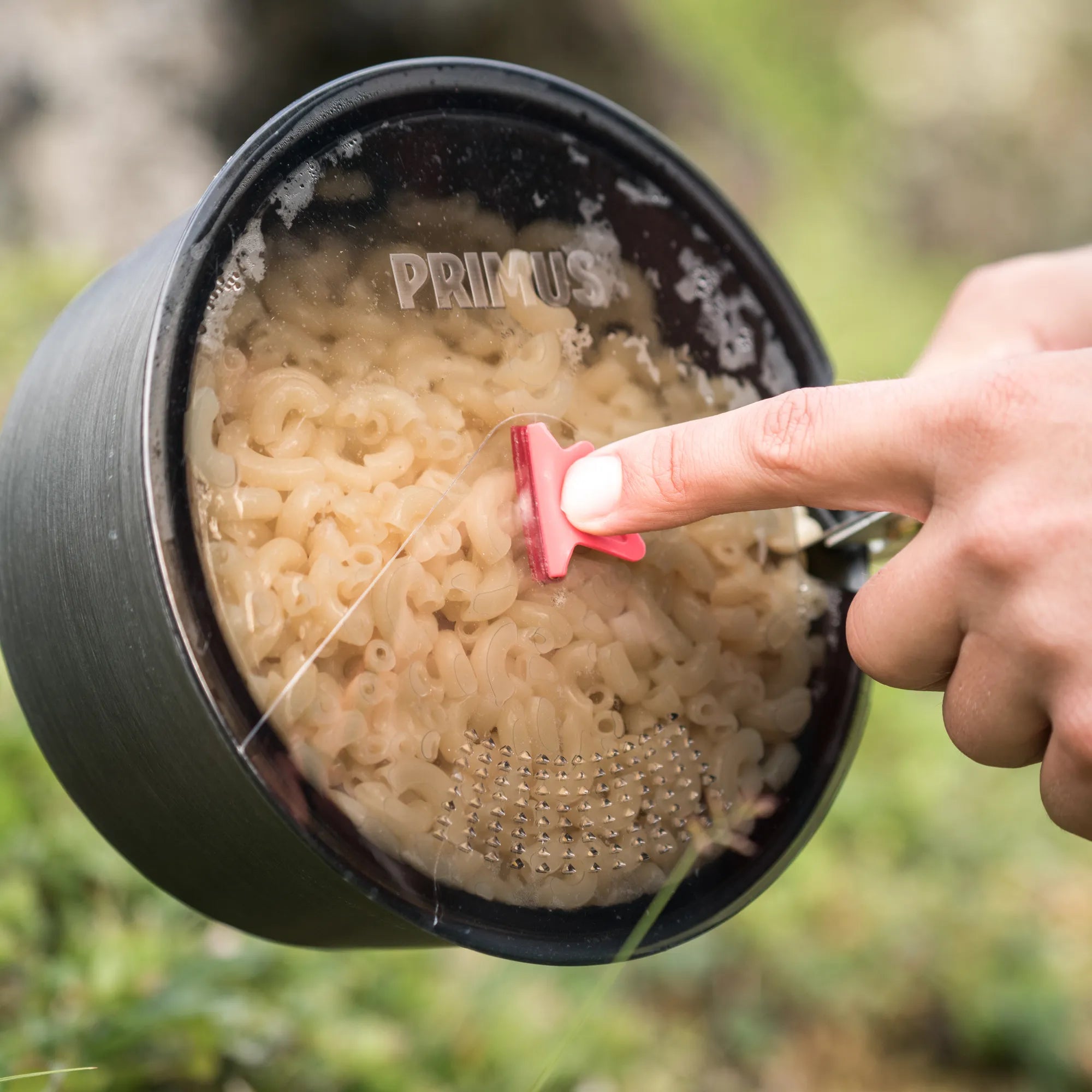
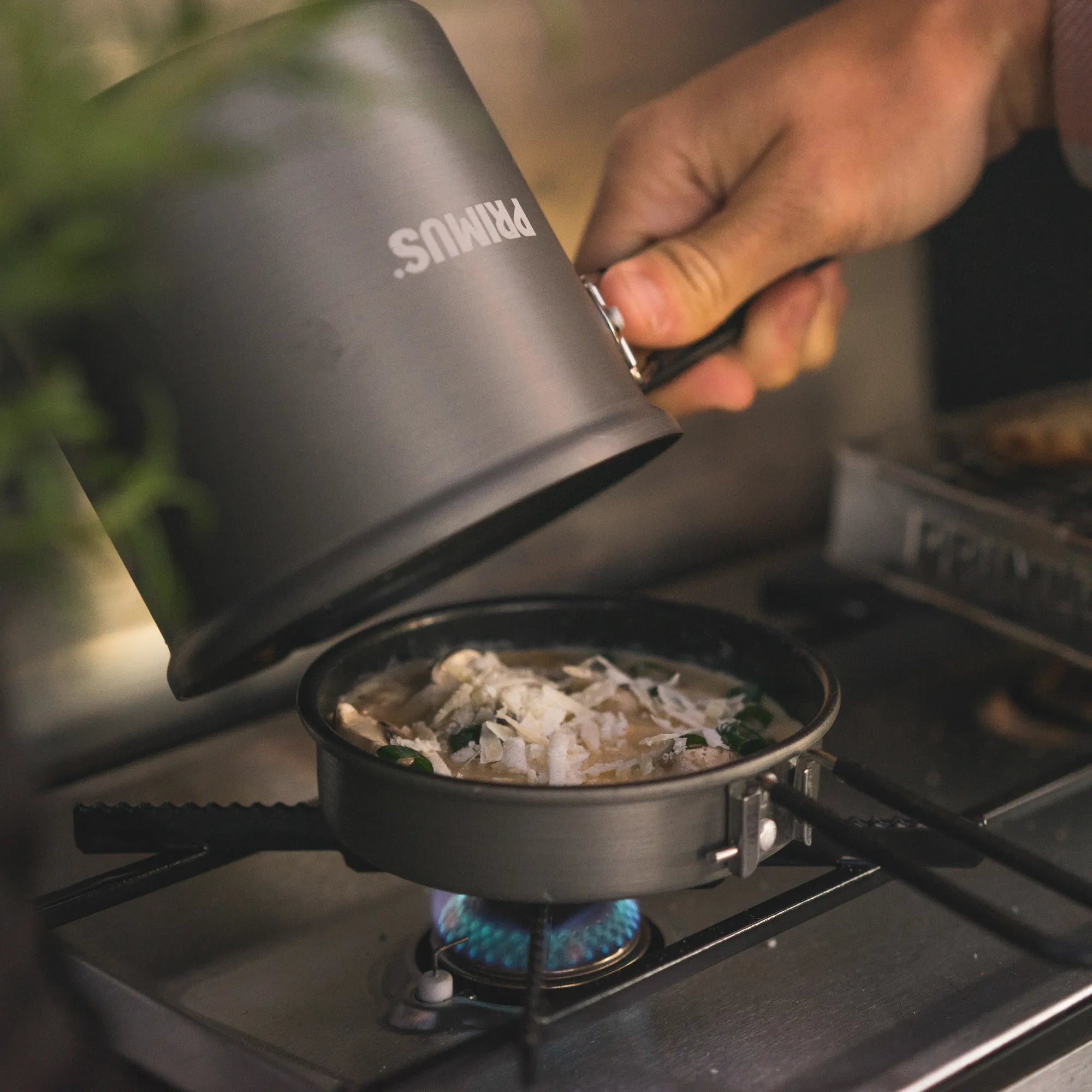
A simple meal that uses one pot keeps the setup compact and reduces washing after a long day. Choose only the capacity and utensils that match the food you genuinely plan to prepare.

Keep meal accessories separate from climbing equipment

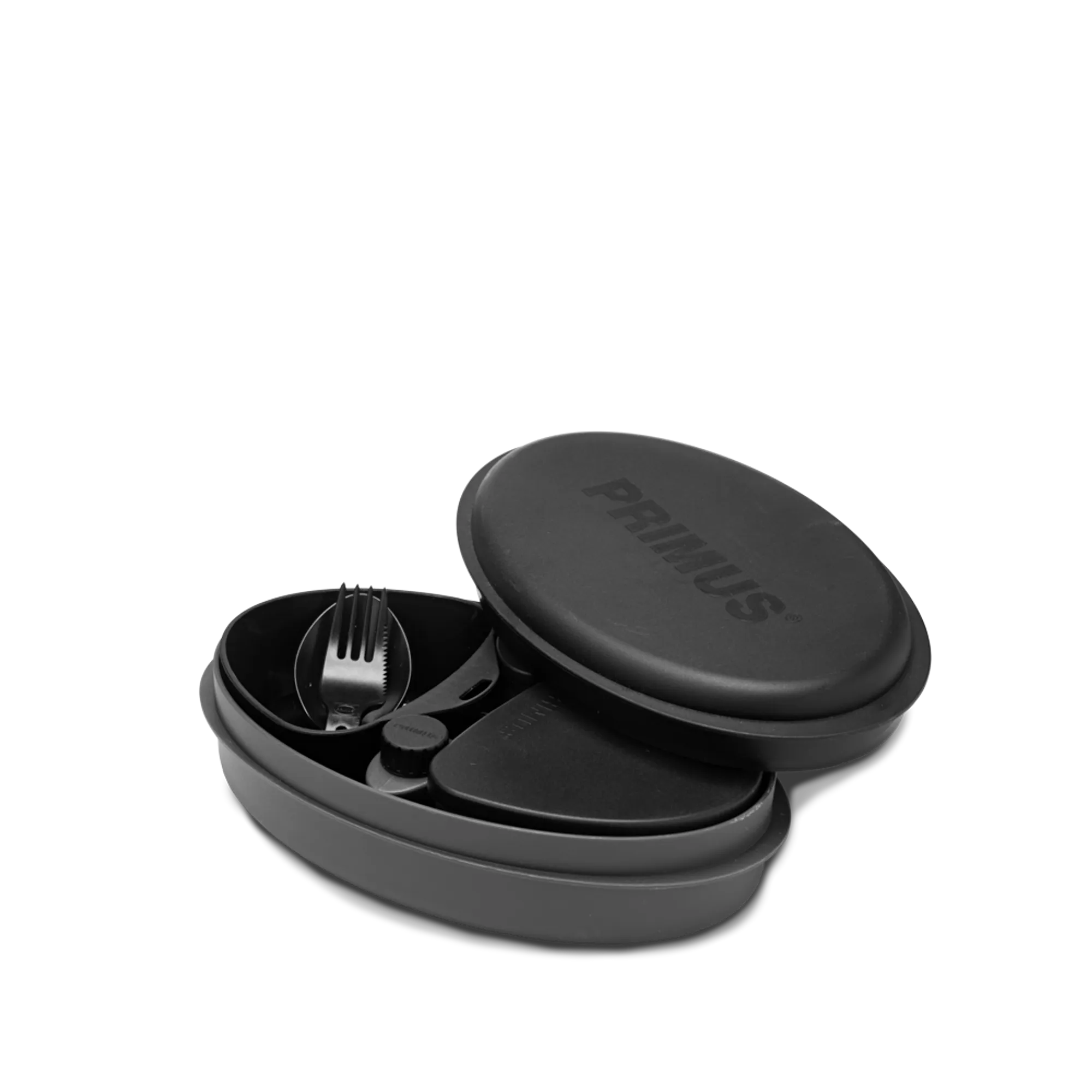
Food containers, mugs and cutlery should not become mixed with the technical equipment needed for the route. Primus plates and cutlery include compact options that can be stored together in a separate part of the bag.

Organising food and smaller accessories in Primus carrying and cooling gear makes the correct item easier to find during the approach or after the climb. It also helps prevent food residue from reaching gloves, slings and other equipment.

Checklist for food and breaks on a via ferrata

The required technical via ferrata equipment must always be selected according to the route operator’s instructions. Alongside that safety equipment, the following Primus items can support the day:

  • Water bottles with enough capacity for the approach, climb and descent.
  • Food that can be eaten during a short break without preparation.
  • A vacuum flask or food flask when conditions and route length make it useful.
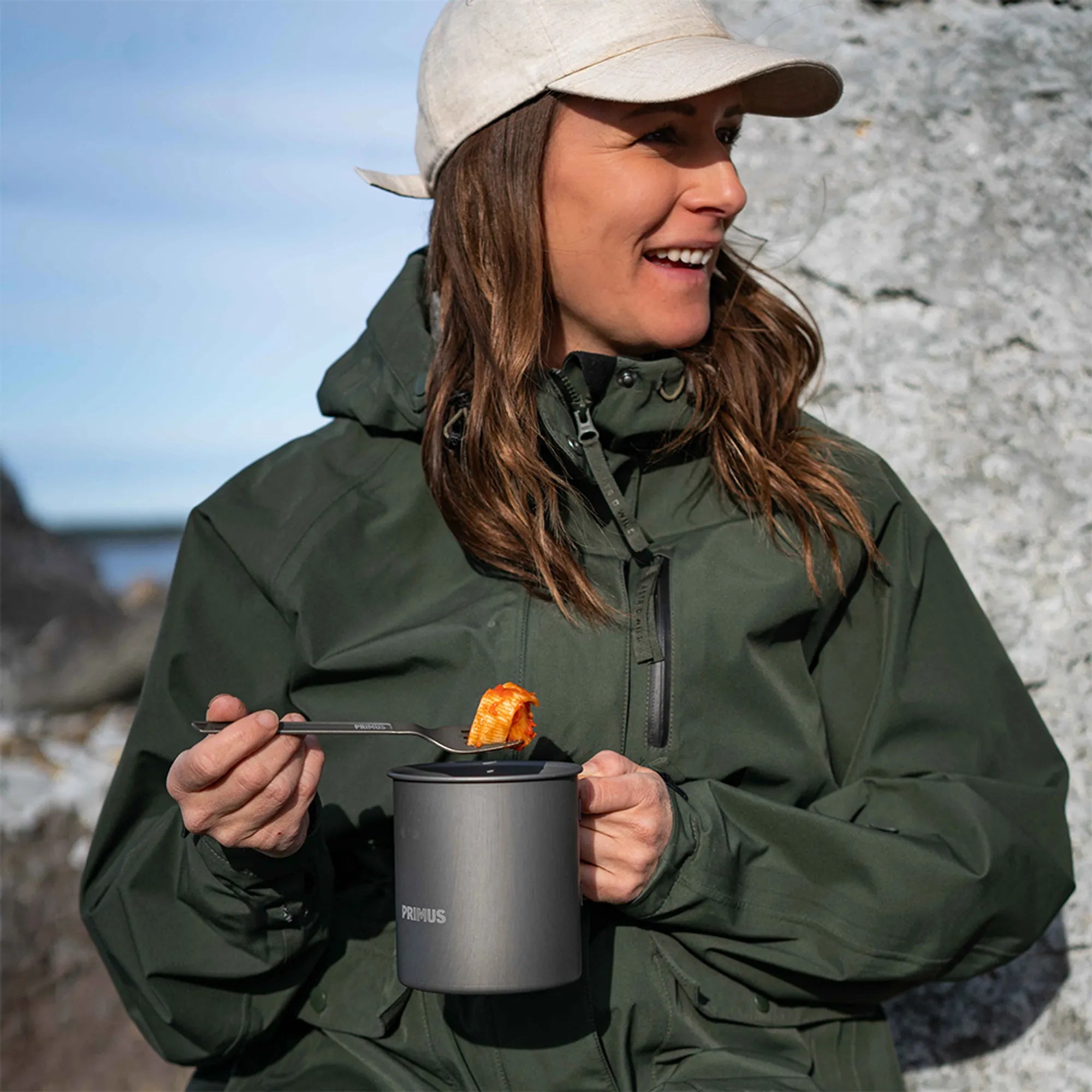
  • Compact cutlery and a mug stored separately from climbing equipment.
  • A stove and cookware for use at a permitted campsite or stable area off the route.

Review the setup before departure and remove anything that does not have a clear purpose. A lighter, more organised food system is easier to carry on steep approaches and simpler to use when a suitable break becomes available.

Frequently asked questions about via ferrata

Via ferrata routes vary in length, exposure and access, so both safety equipment and provisions must be adapted to the specific route. Here are answers to five common questions about food, water and Primus gear.

What is a via ferrata?

A via ferrata is a protected climbing route that typically uses fixed steel cables, steps, ladders or bridges. Participants need the technical safety equipment specified for the route as well as suitable experience, clothing, food and water.

What via ferrata equipment does Primus provide?

Primus provides complementary equipment for water, warm drinks, meals and breaks. Technical items such as helmets, harnesses and via ferrata sets must be obtained from a specialist climbing provider or the route operator.

How much water should I bring?

Base the amount on the complete duration, temperature, exposure and availability of verified refill points. Include the approach and descent rather than calculating only for the protected section.

Is a food flask useful on a via ferrata trip?

Yes, particularly on longer days or in cooler conditions. It allows you to carry a prepared meal without cooking on the route and can be used at a suitable rest area before or after the climbing section.

Can I use a stove on the via ferrata?

Do not use a stove on exposed sections, narrow ledges or beside the climbing cable. Only cook at a stable, permitted and well-ventilated location away from the route, such as a designated rest area or campsite.

Are you in the right place
Canada | $ (CAD)
Canada | $ (CAD)
Germany | € (EURO)
United Kingdom | £ (GBP)
USA | $ (USD)
USA | $ (USD)